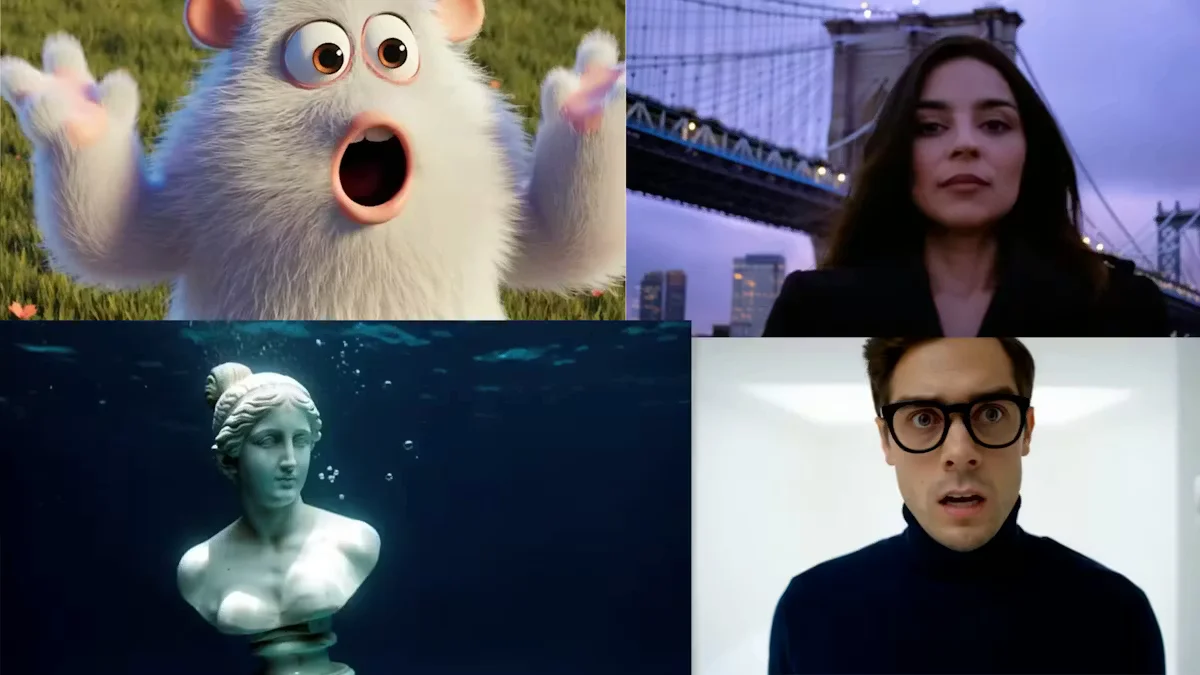
Runway tested its Gen-4.5 AI video model with over 1,000 participants who tried to distinguish real videos from AI-generated ones. Participants were correct only about 57.1% of the time, indicating AI-generated videos are increasingly hard to tell from real footage and fueling concerns about deepfakes.
Twitch has reversed its decision to allow "artistic nudity" on its platform, just days after updating its content policy to permit certain types of sexual content. The rollback comes after concerns were raised about the potential for AI-generated "deepfakes" being passed off as permitted art. Twitch stated that it went too far with the change and acknowledged the difficulty in distinguishing between digital art and photography. The initial intention of the policy was to provide artists with a safe space to create sexual material, but some streamers were found to be exploiting the new policy with activities such as using fully nude avatars or stream overlays featuring nude drawings.
The FBI has issued a warning about the increasing use of AI-generated deepfakes in sextortion schemes, which involve tricking people into providing payment or explicit photos through the threat of sharing already obtained compromising images. The use of AI to generate fake videos that appear to show real people engaged in sexually explicit activities has grown in recent months. Scammers often obtain victims’ photos from social media or elsewhere and use them to create "sexually themed images that appear true-to-life in likeness to a victim, then circulate them on social media, public forums, or pornographic websites." The FBI urged people to take precautions to prevent their images from being used in deepfakes and to report any sextortion threats to the appropriate authorities.