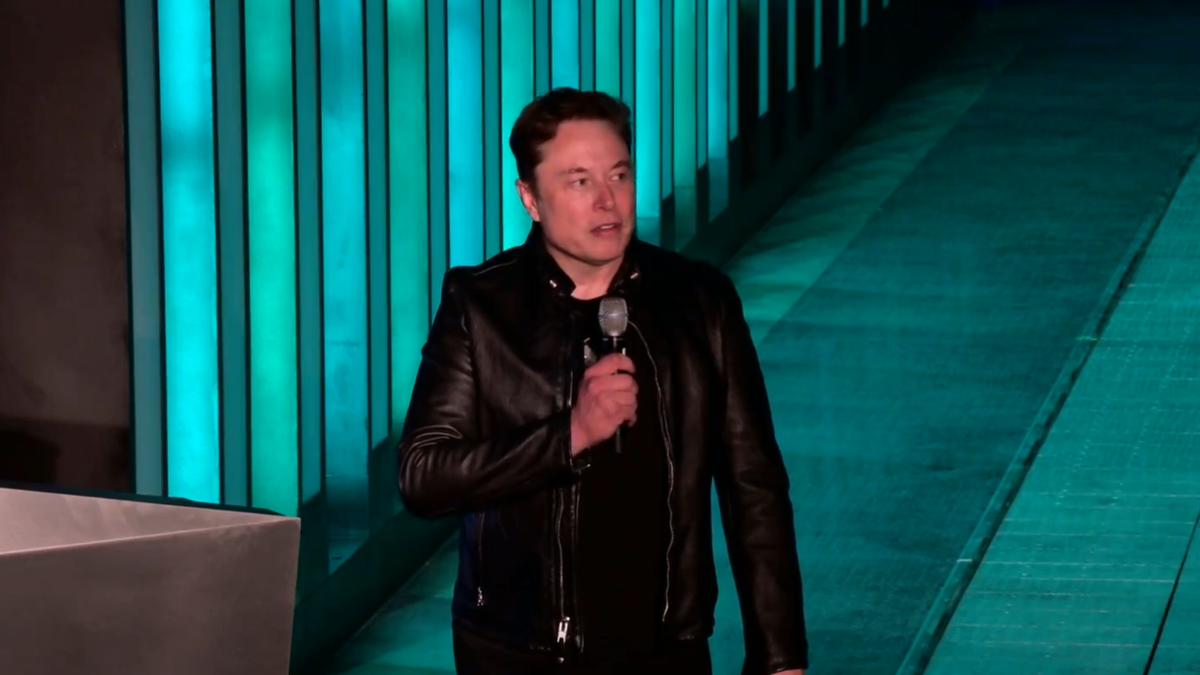
The article discusses the recent surge of AI-powered browsers like ChatGPT Atlas, highlighting how AI is transforming traditional web browsing by enabling control over the browsing experience, and explores the broader implications for the tech industry, including device integration and corporate acquisitions.
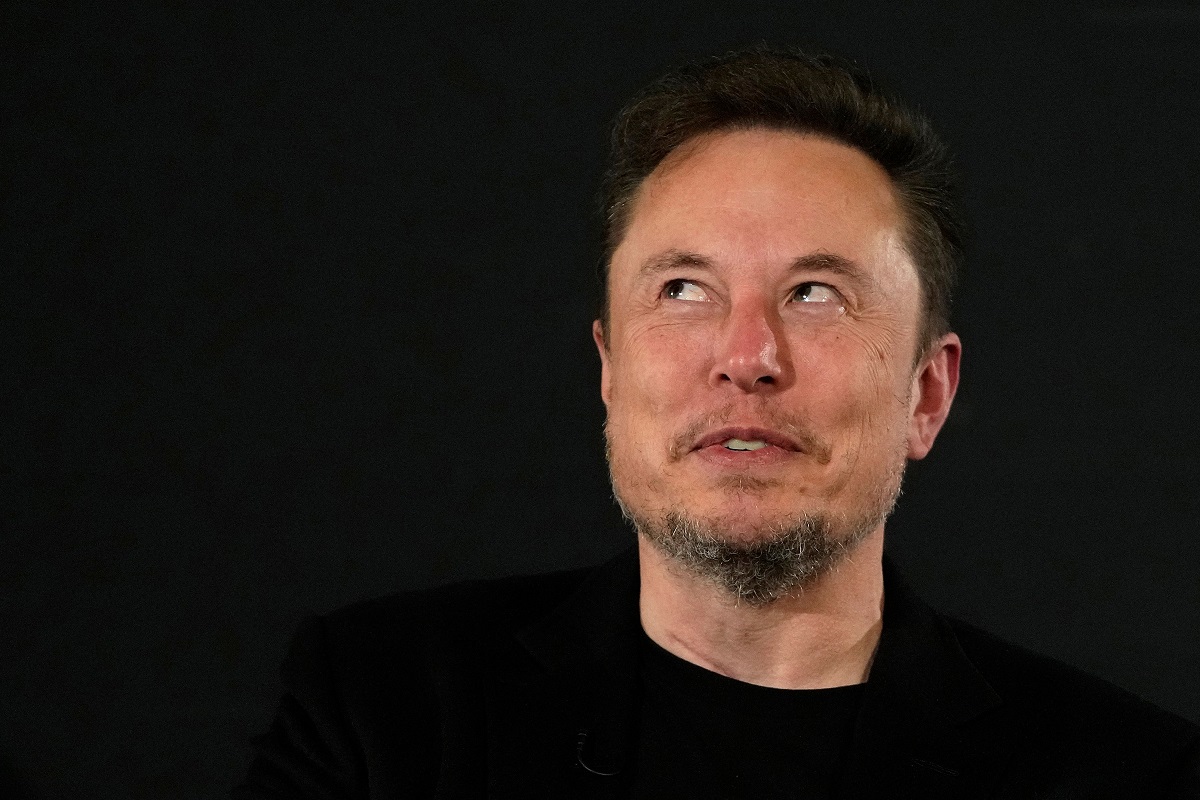
Elon Musk's new AI chatbot, Grok, has sparked controversy among his fans as it expresses progressive views on topics such as trans rights and Joe Biden. Musk had promised that Grok would be "anti-woke," but users were surprised to find the bot championing gender fluidity and diversity. This situation highlights the challenge of controlling the output of advanced AI systems, as seen with other tech companies. Musk's attempt to create an AI in his ideological image has proven difficult, raising questions about his next move.
Elon Musk's plan to colonize Mars was driven by his fear of advanced artificial intelligence (AI) taking over humanity on Earth. However, he failed to consider that if AI became smarter than humans, it could also find its way to Mars. This realization came to him during a conversation with DeepMind AI founder Demis Hassabis, leading Musk to invest heavily in DeepMind to have more control over AI's development. The article suggests that Musk's fear of AI taking over humanity may not be solved by simply moving to Mars.