
Tag

Adtargeting

All articles tagged with #adtargeting

"Understanding Facebook's 'Link History' Tracking and How to Disable It"

Originally Published 2 years ago — by Engadget

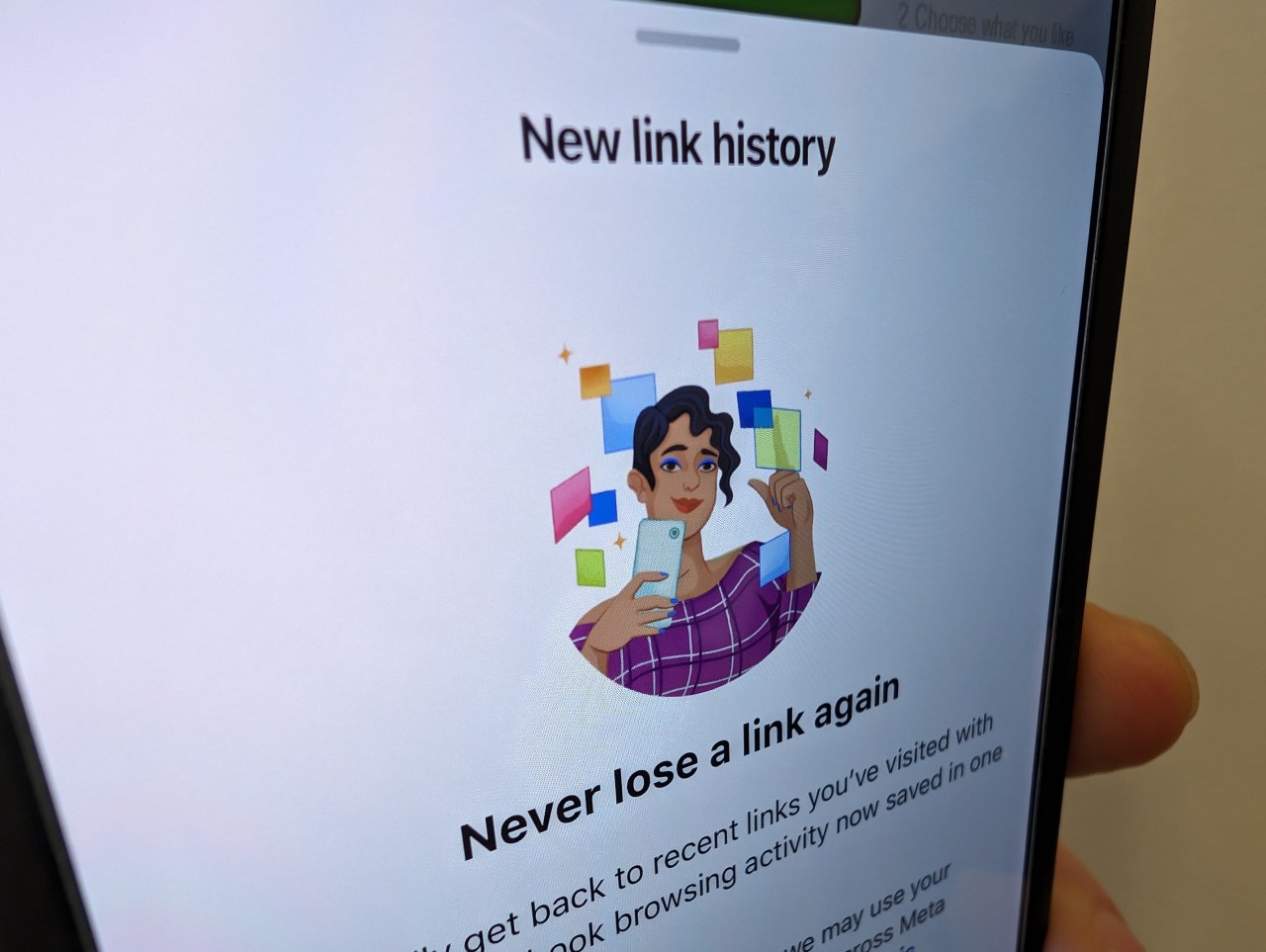
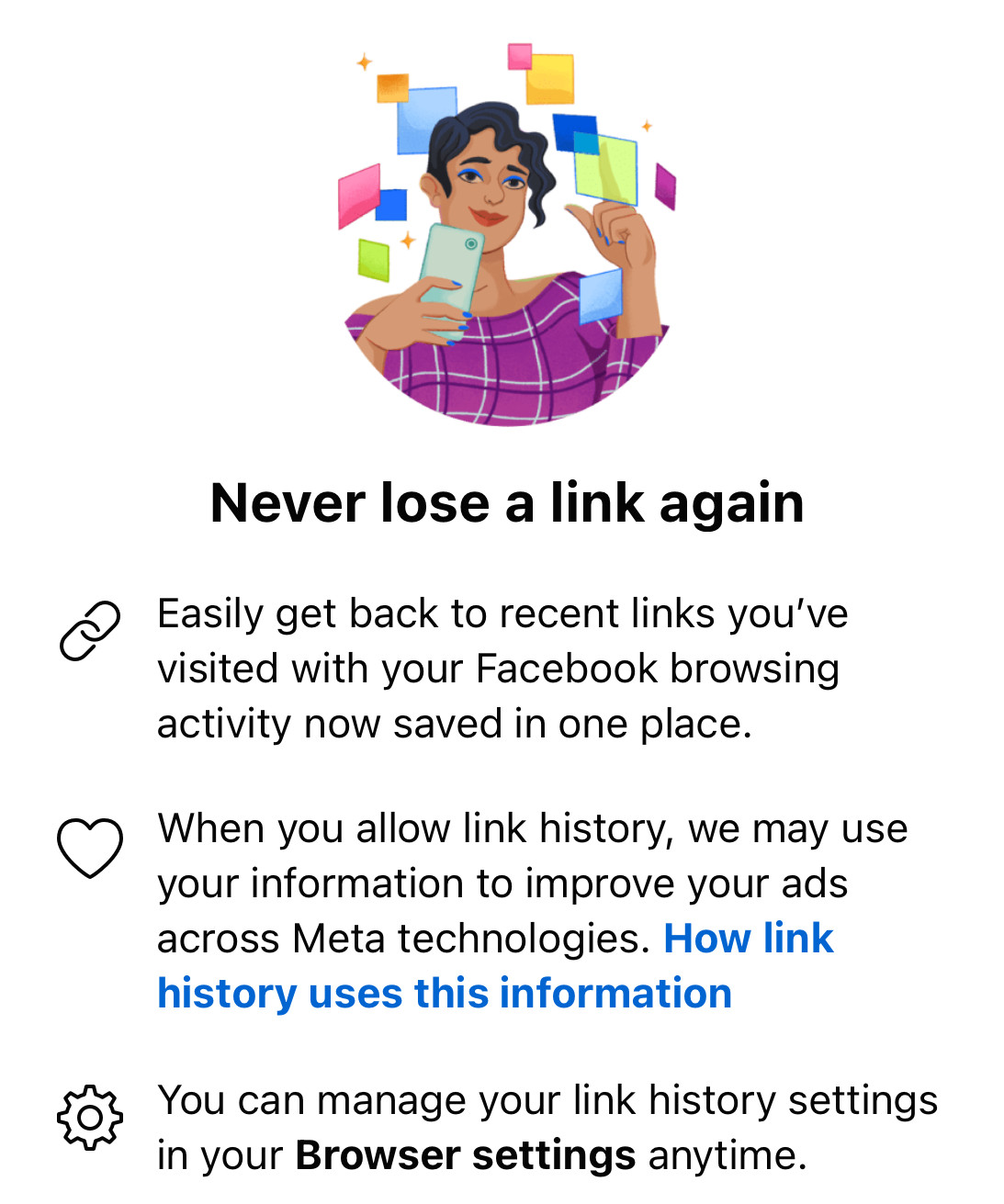
Facebook and Instagram have introduced a "link history" feature that tracks links visited within their in-app browsers, ostensibly to help users not lose important links. However, this feature also enhances Meta's targeted advertising capabilities, which have been impacted by Apple's privacy measures. Although not enabled by default, users may inadvertently opt in, raising privacy concerns. Users can disable the feature, but previously collected data may influence ads for up to 90 days. In the EU, users have the option to opt out of ads entirely for a monthly fee, but this is a less popular choice.
"Disabling Facebook's 'Link History' to Stop New Tracking for Targeted Ads"

Originally Published 2 years ago — by KTLA Los Angeles

Featured image for "Disabling Facebook's 'Link History' to Stop New Tracking for Targeted Ads"
Source: KTLA Los Angeles

Facebook has introduced a "link history" feature that tracks the links users click within its app to improve ad targeting. Users concerned about privacy can disable this feature by navigating to the Browser settings within the Facebook app and toggling off "Allow link history." This move comes after Facebook's data collection capabilities were reduced by privacy features like Apple's App Tracking Transparency.

"Understanding Facebook's 'Link History' Feature and Its Impact on Ad Targeting"

Originally Published 2 years ago — by The Verge

Featured image for "Understanding Facebook's 'Link History' Feature and Its Impact on Ad Targeting"
Source: The Verge

Facebook has introduced a new feature for mobile users that allows them to view their link history within the app. When enabled, users can see a list of links they've clicked on in the past 30 days. While this feature provides convenience for recalling visited sites, Meta has also indicated that the data may be used to enhance ad targeting. The feature's existence was first reported by Gizmodo.