health-and-beauty8 months ago
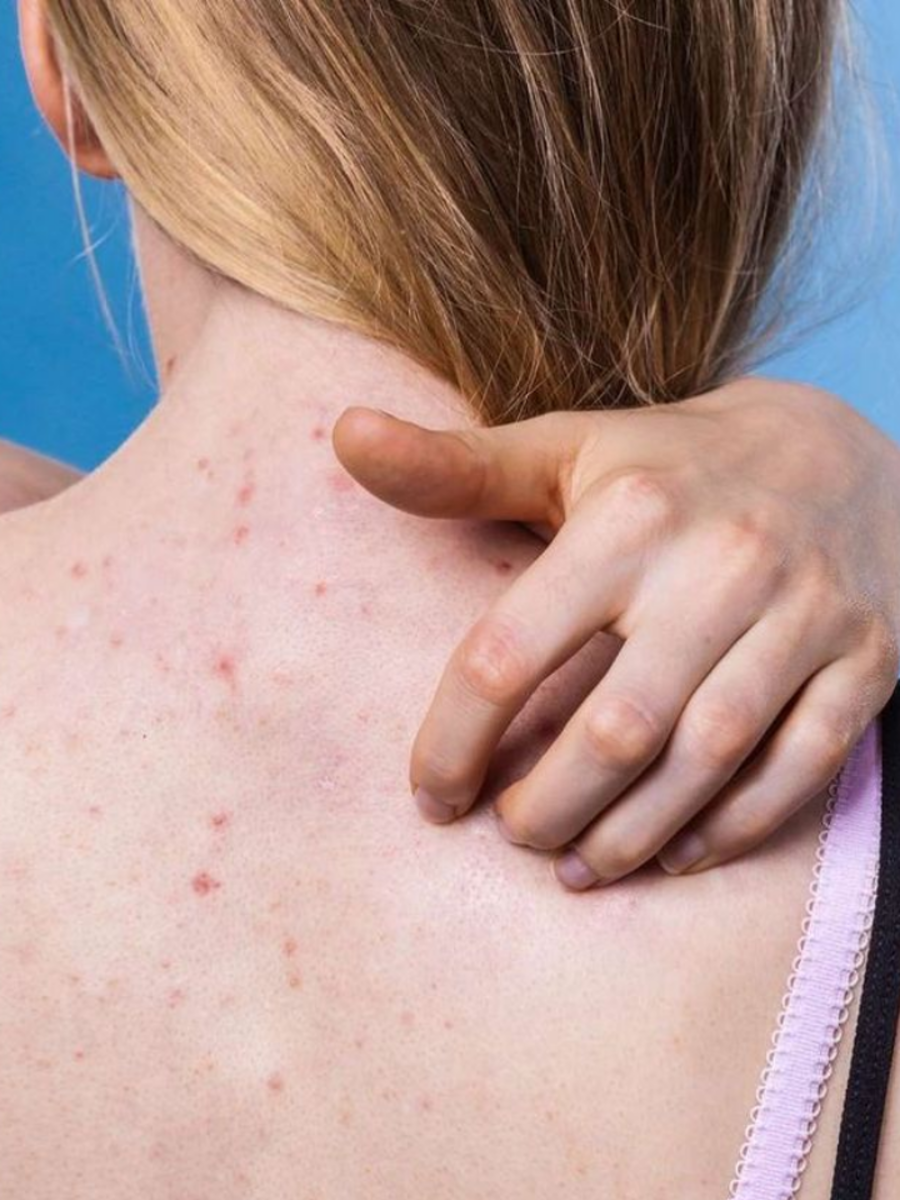
Top 8 Skincare Tips for Back Acne
The article provides eight effective skincare hacks to help manage and treat back acne, offering practical tips for clearer skin.

All articles tagged with #acne treatment
The article provides eight effective skincare hacks to help manage and treat back acne, offering practical tips for clearer skin.
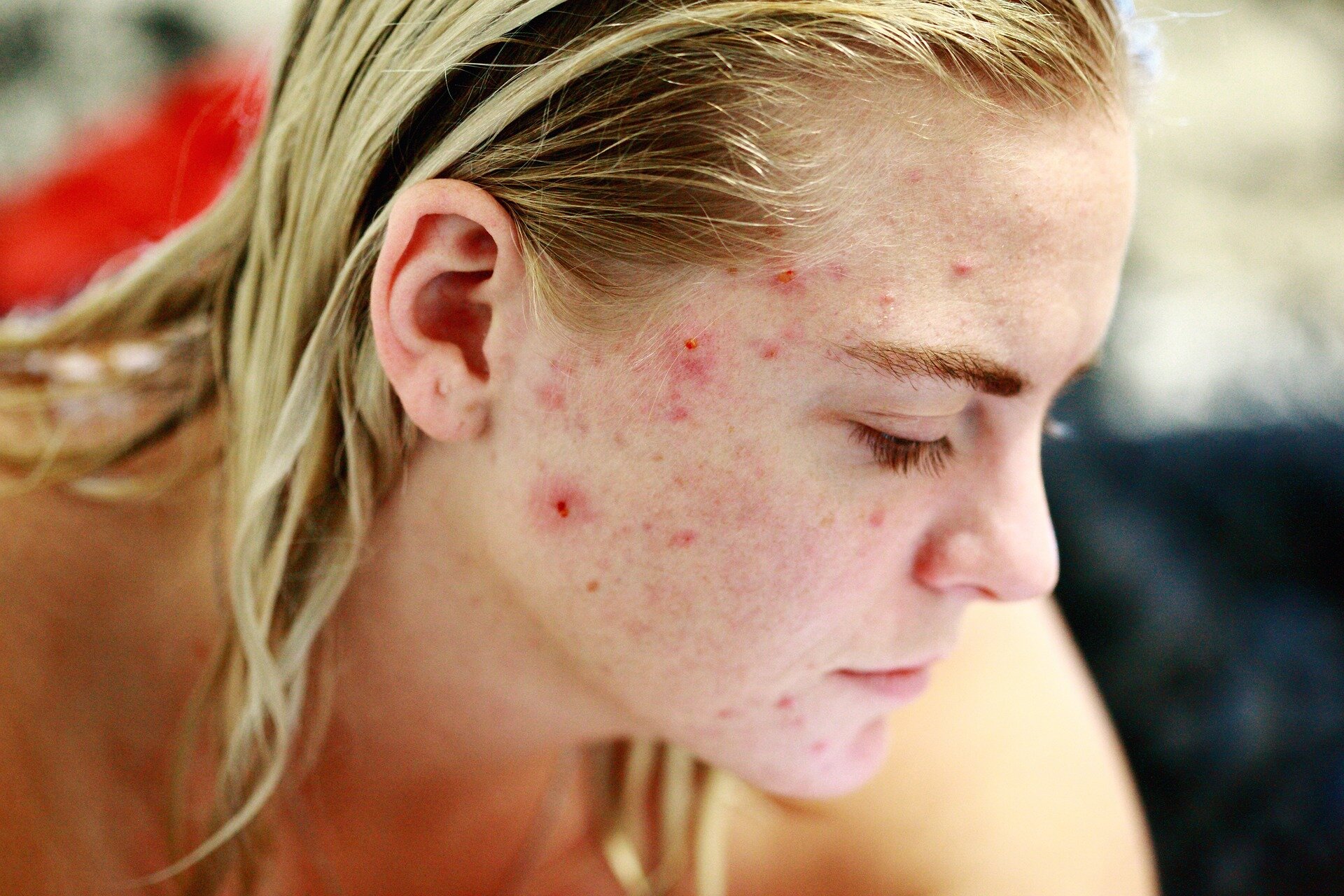
Researchers have successfully engineered Cutibacterium acnes, a type of skin bacterium, to produce and secrete a therapeutic molecule suitable for treating acne symptoms. The engineered bacterium has been validated in skin cell lines and in mice, opening the door to engineering non-tractable bacteria to address skin alterations and other diseases using living therapeutics. This breakthrough could lead to the development of targeted topical therapies for acne and potentially other skin conditions, with the potential for broader applications in skin sensing and immune modulation.
Dermatology Times has released its August 2023 supplement on acne vulgaris, featuring discussions and treatment tips from experts in the field. The supplement covers topics such as the pathogenesis of acne, counseling patients on medication use, the use of clascoterone in combination with other agents, and the bioavailability of micronized isotretinoin.
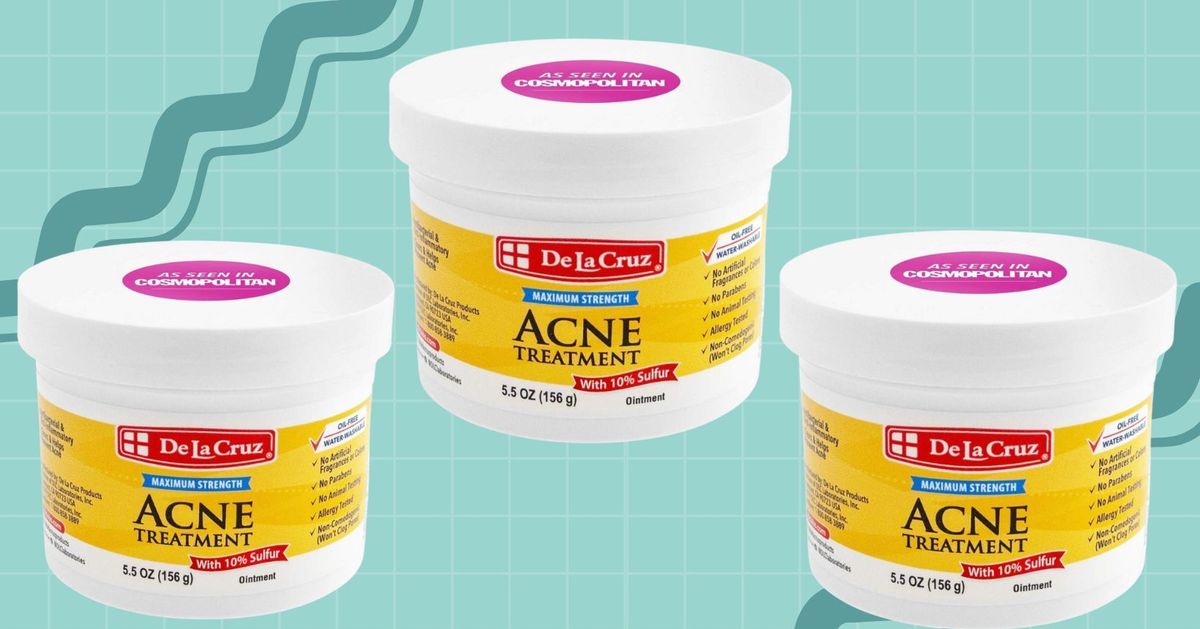
A $6 acne treatment from De La Cruz, available on Amazon, has gained popularity on TikTok for its effectiveness in treating various types of acne, including cystic, fungal, and hormonal acne. The 10-minute wash-off mask contains a 10% concentration of sulfur, which has antibacterial properties and promotes skin exfoliation. Users claim that the treatment reduces inflammation, pain, and raised blemishes in just one night or a few days. It is also considered a less-drying alternative for sensitive skin. However, sulfur may cause dryness, so it is recommended to use it in combination with a moisturizer. Many positive reviews attest to its effectiveness in treating acne and other skin conditions.
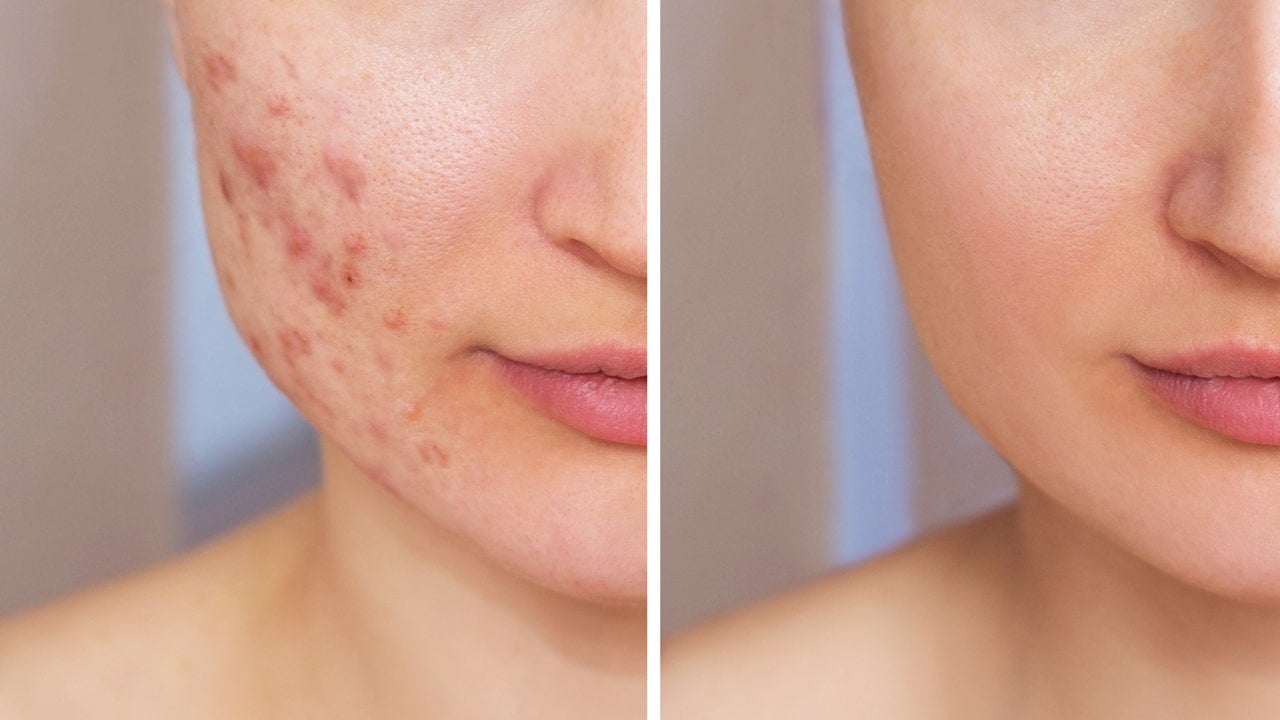
Adult acne is a common skin condition affecting up to 15% of women, and it can be caused by factors such as genetics, hormones, stress, and lifestyle habits. Dermatologists recommend using skincare products with active ingredients like benzoyl peroxide, salicylic acid, or retinoids to unclog pores and reduce inflammation. Treatments available in dermatology offices include chemical peels, microdermabrasion, laser therapy, and prescription medications. It is important to avoid harsh scrubbing or drying out the skin, as this can worsen breakouts. Lifestyle habits such as regular cleansing, using over-the-counter products in moderation, moisturizing, maintaining a healthy diet, managing stress, and considering medication for severe cases can help reduce adult acne.