
The Gaza Conflict: Balancing Proportionality, Self-Defense, and Criticism
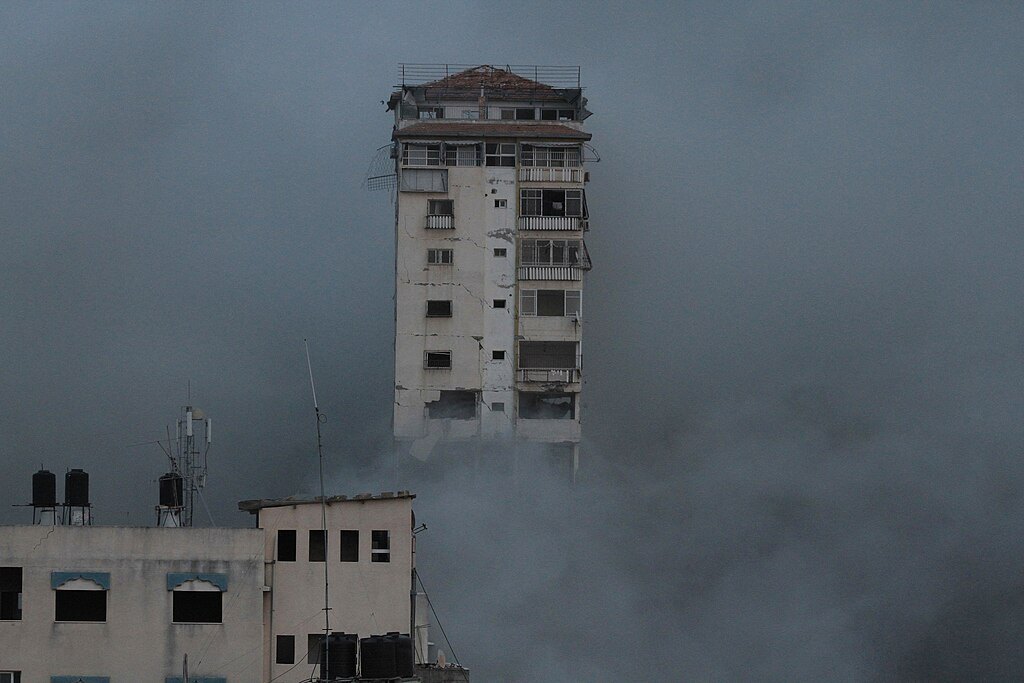
The concepts of proportionality and self-defense in the context of the ongoing conflict between Israel and Hamas in Gaza are explored. Proportionality, a key norm of international humanitarian law (IHL), seeks to limit the means and methods used in armed conflict to protect non-combatants. The principle of distinction, which requires a clear distinction between combatants and civilians, is crucial in upholding the rule of proportionality. The plea of self-defense has specific tests in international law, and while Hamas's claim of self-defense is implausible, the manner of Israeli military operations in Gaza must be examined to determine if they meet the legal tests of self-defense. The International Court of Justice has stated that self-defense is not available to an occupying power, but an occupying power has the right to protect itself from insurgency attacks within the occupied territory. The measures taken must adhere to applicable international law, including the principles of necessity and proportionality.
- Calibrating Proportionality and Self-Defense in Gaza Lawfare
- Daniel Levy on US support for Israel and how it will allow killing in Gaza to continue Middle East Eye
- Criticism mounts on Israel’s Gaza war The Hill
- Genocide in Gaza: Assessing Israel's impact on Palestinians Al Jazeera English
- Israel wants to slay the monster next door, but with this lethal bombardment, it is feeding it The Guardian
Reading Insights
0
1
47 min
vs 49 min read
98%
9,623 → 153 words
Want the full story? Read the original article
Read on Lawfare