
COP28: Evaluating the Pace of Nations' Transition from Fossil Fuels
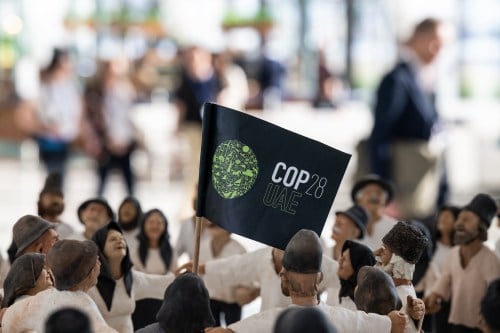
Experts from the Brookings Institution assess the outcomes of COP28, the United Nations Climate Change Conference in Dubai. While the conference saw some progress, such as the launch of a loss and damage fund and a commitment to transition away from fossil fuels, there were also shortcomings. The loss and damage fund remains underfunded, with only $429 million contributed, far below the estimated damages of $400 billion annually. Climate finance for adaptation in Africa is insufficient, and the region's needs may be underestimated by as much as 100%. The environmental impact of artificial intelligence (AI) and the need for data transparency in measuring emissions, water, and energy were highlighted. The COP28 agreement is non-binding, and the success of the conference will depend on how it influences national and private sector climate policies. Methane emissions also took center stage at COP28, with increased attention on reducing its impact on global warming.
- The successes and failures of COP28 | Brookings Brookings Institution
- Nations' plan to 'transition' from fossil fuels is too slow, experts say Science News Magazine
Reading Insights
0
1
14 min
vs 15 min read
95%
2,895 → 150 words
Want the full story? Read the original article
Read on Brookings Institution