
Uncertainty looms over Black Sea grain corridor deal extension
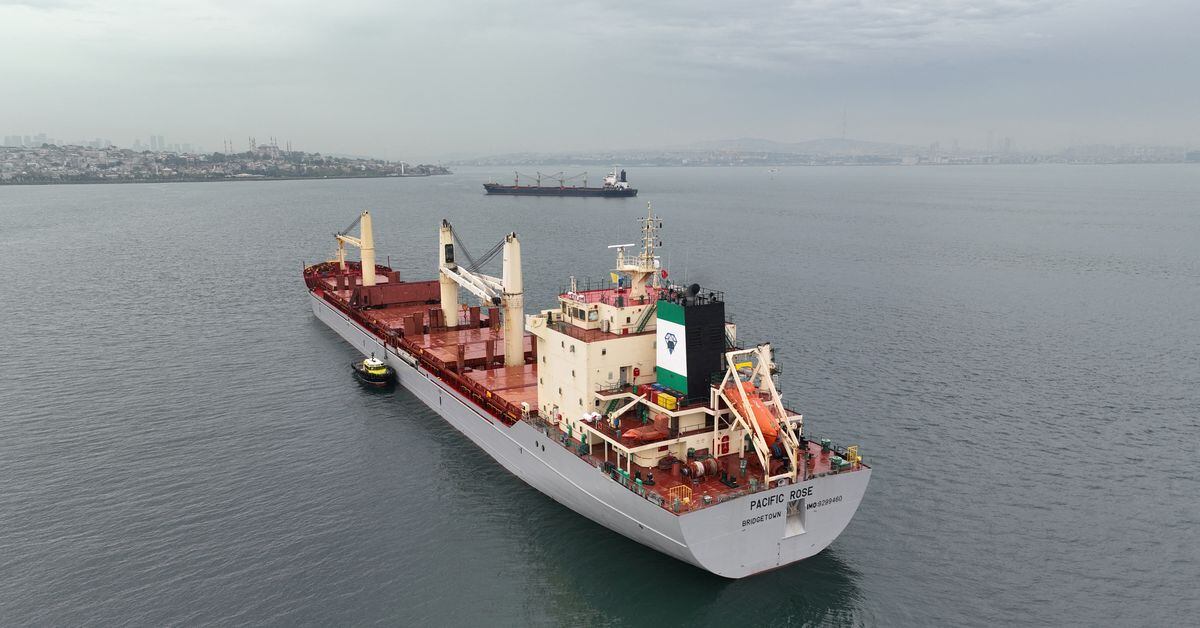
The deal allowing Ukraine to export grain via the Black Sea is set to expire on July 17, and with Russia showing no intention of extending it, concerns arise about the potential collapse of the agreement. Ukraine is a major producer of grains and oilseeds, and the interruption of its exports during the war led to a surge in global food prices. The current deal has helped stabilize prices and alleviate the global food crisis. If the agreement ends, prices for staple foods may rise, although improved supplies from other producers like Russia and Brazil have mitigated the impact. The World Food Programme (WFP) relies on the Black Sea corridor for aid shipments, and its closure would force the WFP to seek alternative sources at potentially higher costs. Additionally, Ukraine's grain exports are expected to decline due to reduced harvests, and exporting through the EU poses logistical challenges.
- Explainer: What happens if Black Sea grain corridor deal is not extended? Reuters
- One year of the Black Sea Initiative: Key facts and figures UN News
- Doubts remain over Black Sea grain deal, as renewal deadline draws closer euronews
- 'Destructive...': Russia's Direct Warning To Erdogan's Turkey Over Arms Supplies To Ukraine Hindustan Times
- Türkiye Foreign Minister talks with Lavrov about "grain deal" Yahoo News
- View Full Coverage on Google News
Reading Insights
0
8
5 min
vs 6 min read
87%
1,115 → 148 words
Want the full story? Read the original article
Read on Reuters