
Silencing Middle East Scholars: The Fear of Speaking Out
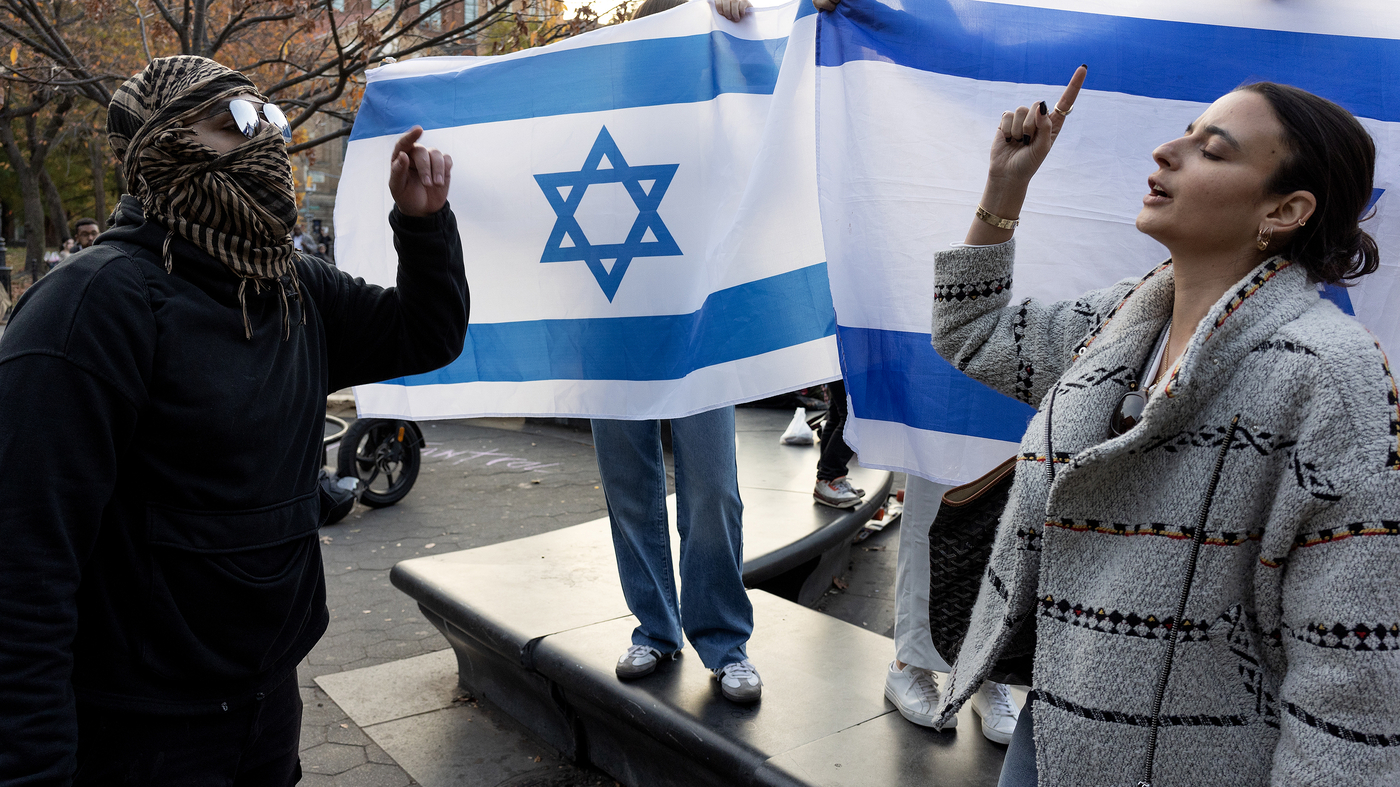
A recent poll conducted by the University of Maryland and George Washington University found that a majority of U.S.-based scholars who research and teach about the Middle East feel the need to self-censor when speaking about the region, particularly on Israeli-Palestinian issues. The poll revealed that concerns about campus culture, pressure from external advocacy groups, potential discipline from academic administrators, and the impact on institutional fundraising were among the reasons for self-censorship. The study highlights the fear rather than sensitivity as the main motivation behind self-censorship, with scholars worried about the consequences of expressing their views.
- Why Middle East scholars are self-censoring in the wake of the Israel-Hamas war NPR
- Scholars Who Study the Middle East Are Afraid to Speak Out The Chronicle of Higher Education
- Op/ed: Scholars Who Study the Middle East Are Afraid to Speak Out Maryland Today
- Growing number of U.S.-based Mideast scholars self-censoring after Oct. 7 Hamas attack Haaretz
- Most US-based Middle East scholars are self-censoring speech critical of Israel, survey finds Middle East Eye
Reading Insights
0
0
4 min
vs 5 min read
89%
847 → 96 words
Want the full story? Read the original article
Read on NPR