
MIT reveals chemical embrittlement driving dendrite failures in solid-state batteries
TL;DR Summary
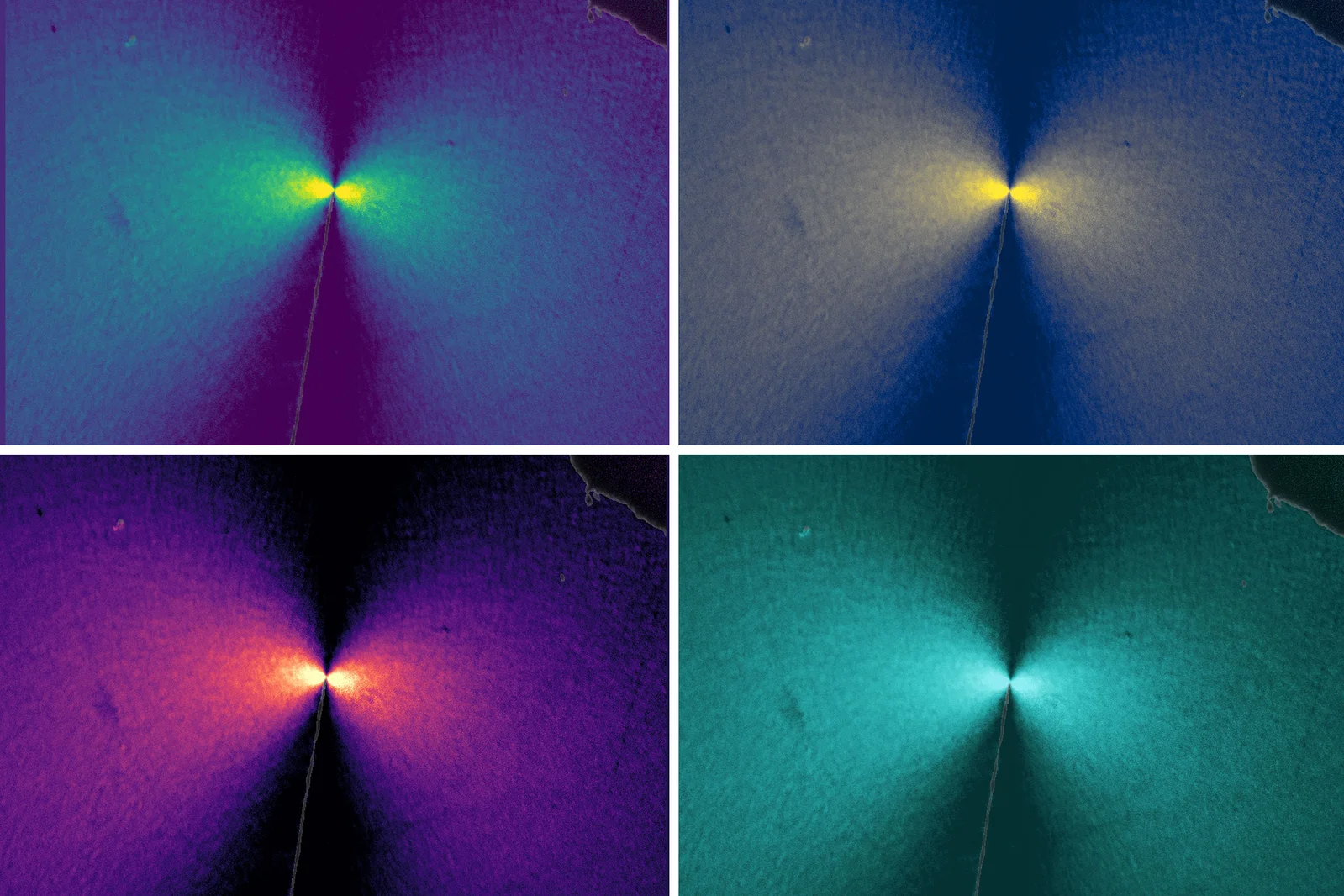
MIT researchers reveal that chemical reactions at high currents weaken solid-state electrolytes, enabling dendrite growth at unexpectedly low stress. Using birefringence microscopy and cryogenic imaging, they show embrittlement—not just mechanical stress—limits solid-state batteries and suggest that safer, higher-energy storage will come from chemically stable, tougher electrolytes rather than simply stronger ones.
Topics:science#birefringence-microscopy#dendrites#electrolyte-embrittlement#lithium-metal#solid-state-batteries#technology
- Why solid-state batteries keep short-circuiting MIT News
- Thorny issue plaguing lithium-ion batteries laid bare in new study Technology Org
- Dendrite Growth Drives Electrochemical Corrosion Bioengineer.org
- Batteries Are Stuck In The 1990s Because Solid-State Batteries Keep Short-Circuiting Science 2.0
- Electrochemical corrosion accompanies dendrite growth in solid electrolytes Nature
Reading Insights
Total Reads
0
Unique Readers
1
Time Saved
6 min
vs 7 min read
Condensed
96%
1,311 → 51 words
Want the full story? Read the original article
Read on MIT News