
"The Crucial Role of Mussel Tissue and Byssus in Rapid Release"
TL;DR Summary
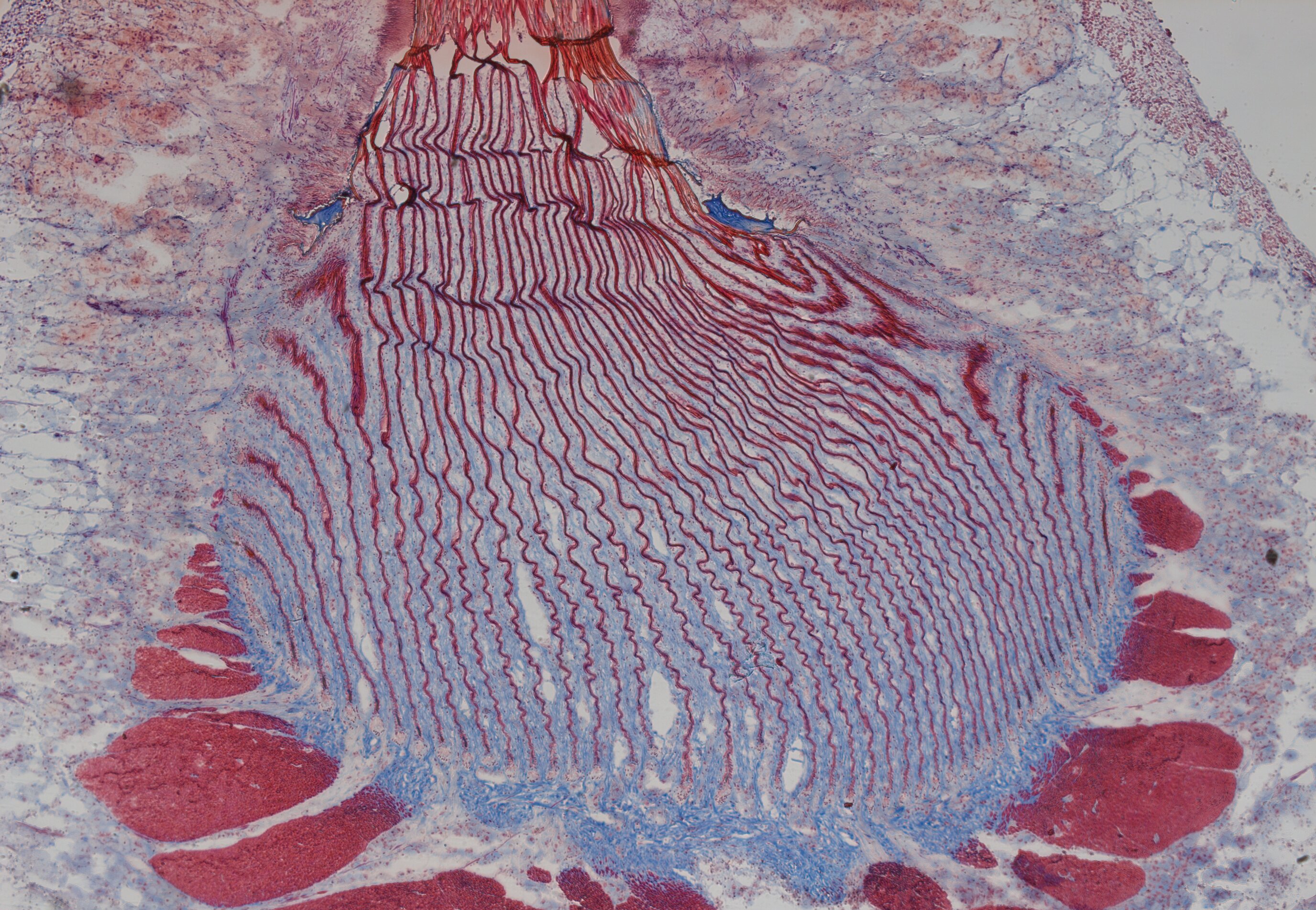
Researchers at McGill University and Charité-Universitätsmedizin have discovered the dynamic bio-interface between mussel tissue and the bundle of filaments that mussels use to anchor themselves to rocks. By studying the interface, they found that the ends of the threads interlock with layers of living tissue covered in motile cilia, which create a high degree of surface contact and allow for the meshing of two materials. The cilia's oscillations strengthen the grip between the materials and enable rapid release when needed. The movement of the cilia is driven by neurotransmitters, suggesting they are controlled by serotonin and dopamine.
Reading Insights
Total Reads
0
Unique Readers
1
Time Saved
3 min
vs 4 min read
Condensed
85%
643 → 97 words
Want the full story? Read the original article
Read on Phys.org