
The Hidden Dangers of Wildfires: Cancer-Causing Chemicals and Toxic Metal Threats
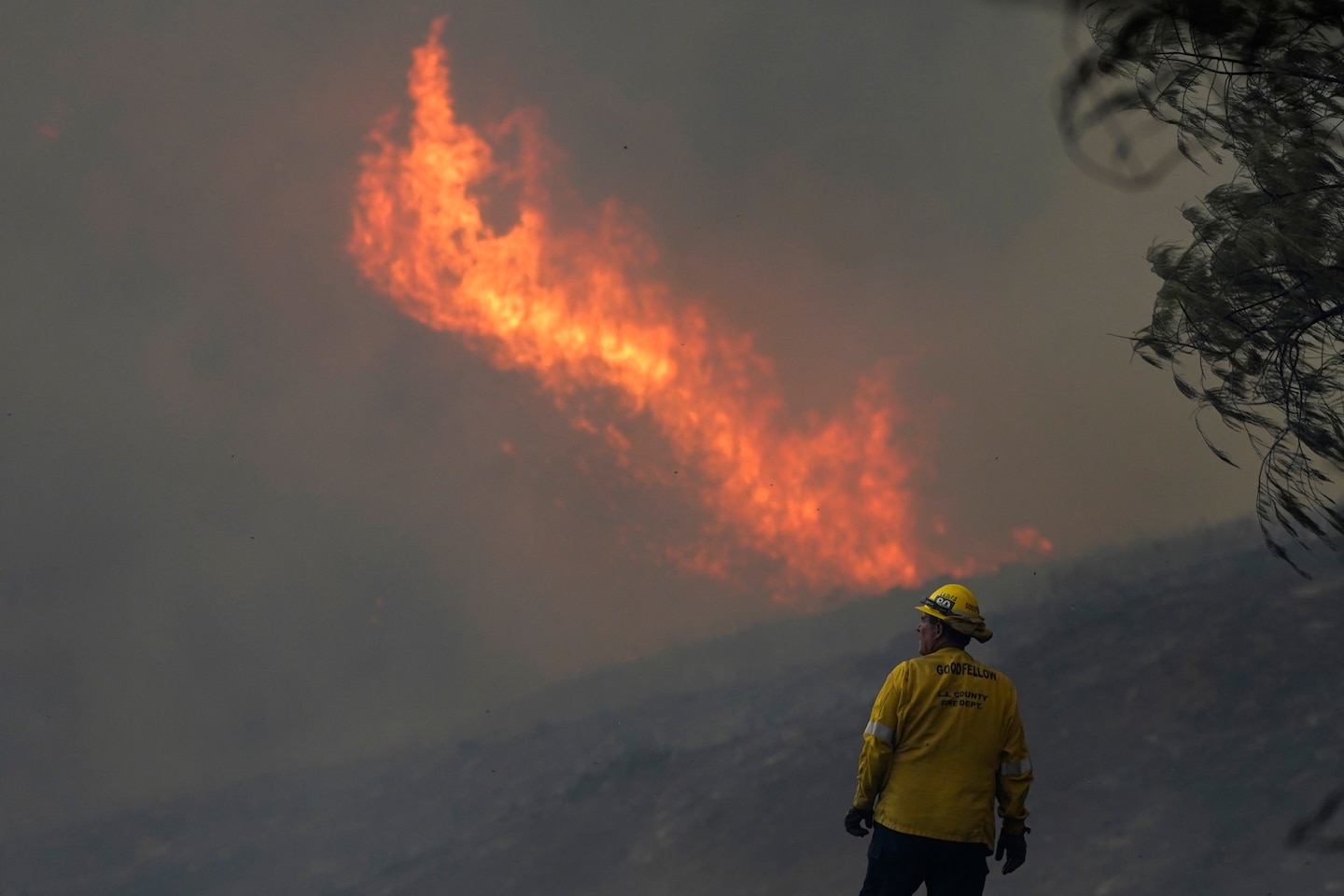
New research published in Nature Communications reveals that wildfires in California can activate the carcinogenic form of chromium in soil and produce cancerous ash. The study highlights the chemical toxicity of fine particulate matter (PM2.5) found in wildfire smoke, which can increase the risk of lung, sinus, and nasal cavity cancers. While the study raises concerns about the distribution of hexavalent chromium in soil and ash, further research is needed to understand its impact on airborne and water contamination. The severity of wildfires and the materials burned contribute to higher concentrations of hexavalent chromium. As wildfires become more severe and prevalent due to climate change, the health and environmental impacts are expected to become more complex.
- How wildfires can spread cancer-causing chemicals - The Washington Post The Washington Post
- New study sounds alarm about harmful toxin in wildfire smoke, ash and dust left behind The Santa Rosa Press Democrat
- Metal toxin threat in wildland fires determined by geology and fire severity Nature.com
- Wildfires leave a trail of toxic metal in soil | Stanford News Stanford University News
Reading Insights
0
1
3 min
vs 4 min read
85%
799 → 116 words
Want the full story? Read the original article
Read on The Washington Post