
Supreme Court's Tax Cases: Ramifications, Costs, and Economic Implications
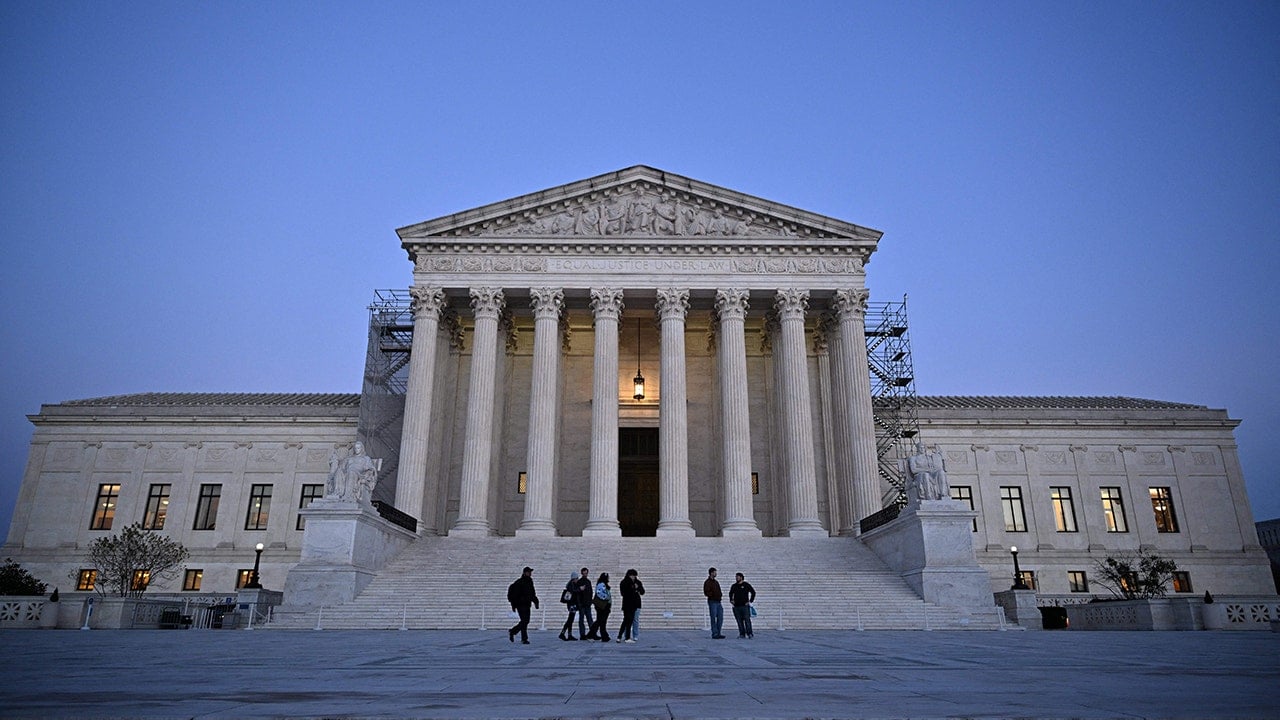
The Supreme Court heard oral arguments in the case of Moore v. the United States, which challenges the constitutionality of Section 965 of former President Donald Trump's tax overhaul. The provision imposed a one-time transition tax on foreign earnings accrued by certain overseas corporations owned by U.S. shareholders. The plaintiffs argue that Section 965 is unconstitutional because it applies a tax to "unrealized" income, violating the 16th Amendment. The case is seen as a proxy battle over the legality of a wealth tax, and a ruling in favor of the plaintiffs could have significant implications for the U.S. tax code and potentially outlaw a wealth tax proposal. A decision is expected by next June.
- Supreme Court hears a case that holds sweeping ramifications for the US tax code Fox Business
- 'Unconstitutional': This Washington couple took their $15K IRS bill to the Supreme Court — and it could cost the US a jaw-dropping $340B if they win, pundits say. Here's why Yahoo Finance
- Supreme Court signals it will uphold a tax on foreign income and leave a wealth tax for another day KING5.com
- Constitutional or Not, Wealth Taxes Are Bad Economics Bloomberg
Reading Insights
0
1
3 min
vs 4 min read
84%
734 → 114 words
Want the full story? Read the original article
Read on Fox Business