
China's Energy Resilience Tested by Iran War
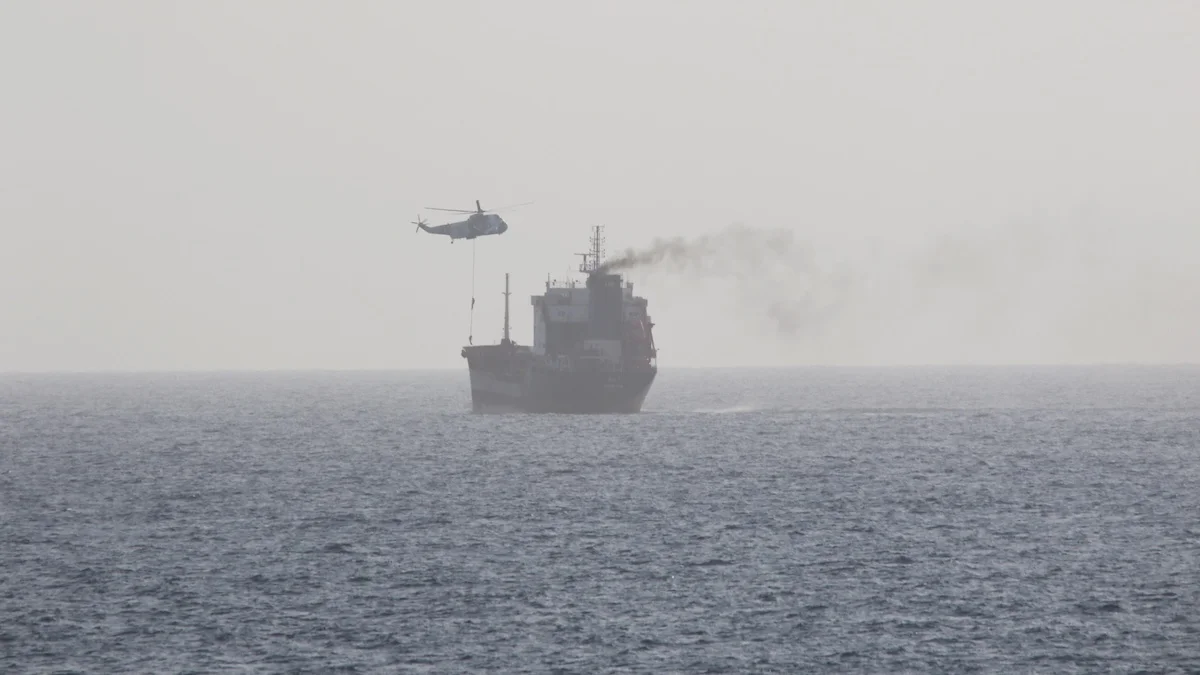
China’s energy security remains robust thanks to ~85% energy self-sufficiency, a coal-and-renewables-dominated mix, and substantial domestic oil production (about 30% of what it consumes). Iran accounts for a minority of its oil imports, but the Iran war threatens supply via potential Iranian production disruption, the Strait of Hormuz closure, and Gulf oil cuts, pushing crude prices higher. Yet only ~18% of China’s total energy is oil, and diversified sourcing helps mitigate risk, aided by electrification and external diplomacy (e.g., China’s envoy to the region). The real question is whether a prolonged Hormuz closure could trigger a global energy crisis, which would push Beijing to push for ceasefires and coordinated solutions rather than military action. Overall, the strategy cushions risk but a sustained disruption would challenge prior assumptions about energy security.
- How Does the Iran War Affect China’s Energy Security? War on the Rocks
- China cannot escape the energy shock The Economist
- Iran war tests China’s oil stockpile Financial Times
- China’s ‘Supergrid’ Gives Xi Buffer Against Energy Shocks Bloomberg.com
- China talks up oil sufficiency as Trump seeks Beijing's help on securing Hormuz energy route CNBC
Reading Insights
0
1
7 min
vs 8 min read
92%
1,540 → 130 words
Want the full story? Read the original article
Read on War on the Rocks