
The Dual Impact of AI: Empowering the Unskilled, Challenging the Experienced
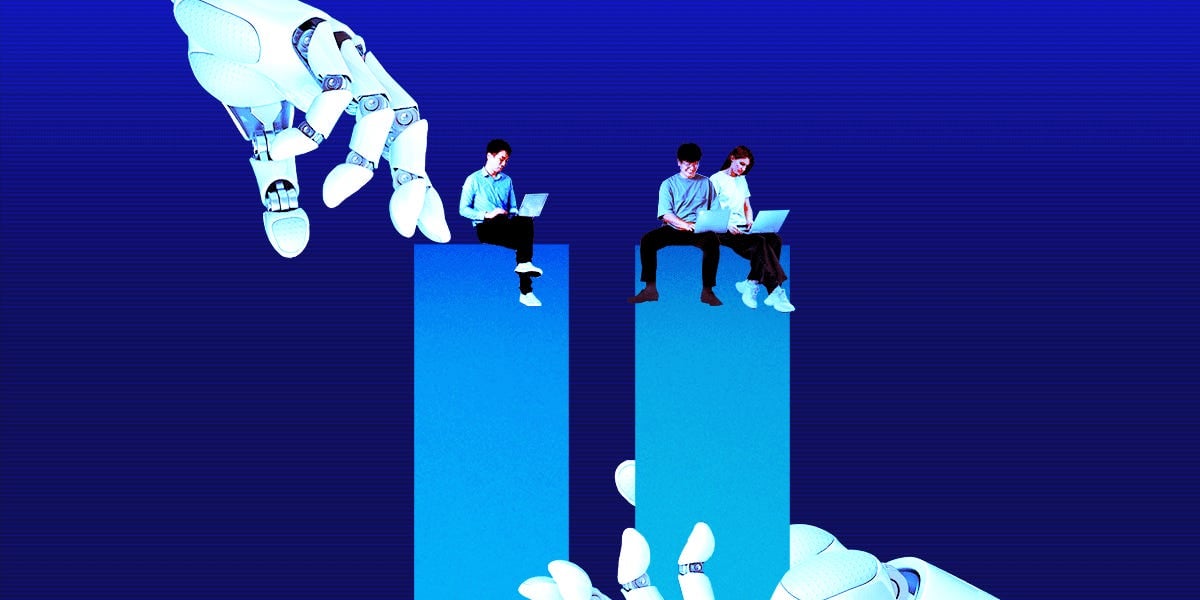
Studies have shown that while AI boosts overall workplace productivity, it primarily benefits low-performing employees and does little to aid or may even hinder high-performing workers. This new generation of AI tools is narrowing the variation in job performance, equalizing white-collar work. AI has the potential to reverse income inequality by reducing the salary gaps within professions and facilitating career transitions. However, it may also depress wages for top earners and commodify the talents of highly skilled workers. The implications of AI on professional work are vast, potentially leading to changes in pay structures, promotions, performance evaluations, and job roles. The future of work in the AI era remains uncertain, with some employers aiming to hire experts who can handle complex tasks while others may opt for hiring novices and leveraging AI to boost their performance.
- AI Helps Unskilled Employees on the Job, Hurts Experienced Workers Business Insider
- Understanding the impact of AI on society, environment and economy CIO
- AI or happiness: Which will we choose? The Seattle Times
- The Macroeconomics of Artificial Intelligence-Brynjolfsson-Unger International Monetary Fund
- AI Should Complement Humans at Work, Not Replace Them, TIME Panelists Say | TIME TIME
- View Full Coverage on Google News
Reading Insights
0
1
9 min
vs 10 min read
93%
1,970 → 136 words
Want the full story? Read the original article
Read on Business Insider