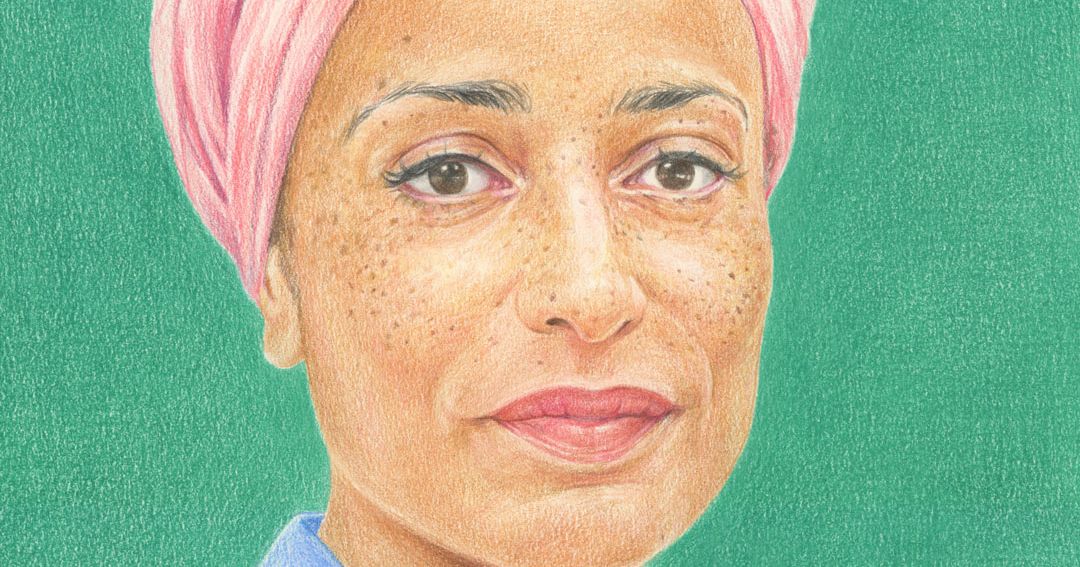
Zadie Smith, in her new collection of essays 'Dead and Alive,' reflects on aging, the swift passage of time, generational differences, and her personal experiences with melancholy and vulnerability at age 50, emphasizing the importance of care and understanding across ages.
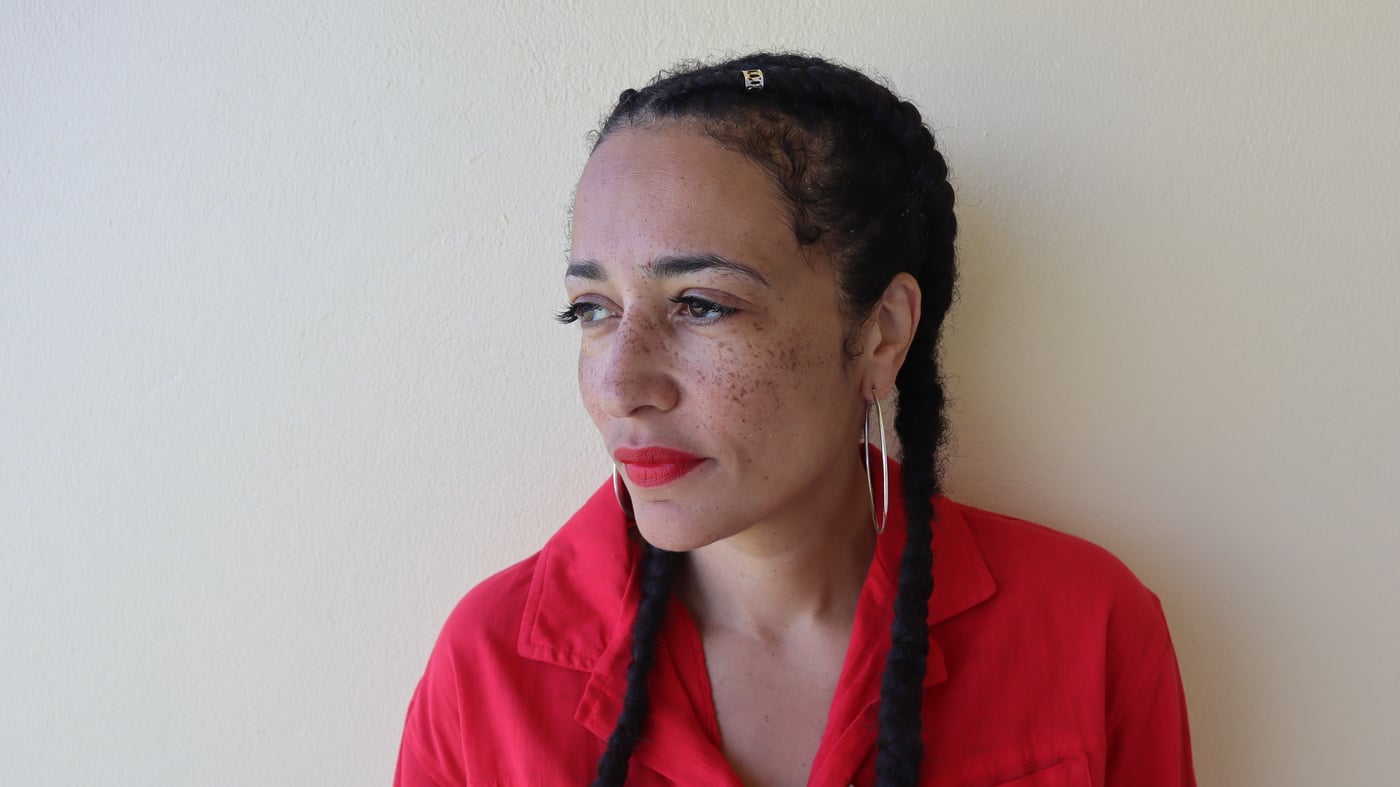
Acclaimed author Zadie Smith discusses her new novel, The Fraud, which is based on the real-life Victorian Era Tichborne trial and explores the history of plantation slavery in Jamaica. Smith reflects on her personal connection to the subject matter, her views on progress and freedom, and the importance of understanding history together. She also shares insights into her writing process and the impact of money on identity.
Zadie Smith, acclaimed author of "White Teeth," has shifted towards realism in her subsequent novels, which some critics argue has made her less interesting. Smith's first novel was praised for its audacious unreality and exuberance, but she has since embraced a more morally serious approach to writing. Her latest novel, "The Fraud," is a historical novel set during the Tichborne trial of the 1870s and explores the themes of identity and truth. Smith's defense of the novel as an inherently fraudulent yet morally urgent art form is both contradictory and thought-provoking.