
Tag

Worldhistory

All articles tagged with #worldhistory

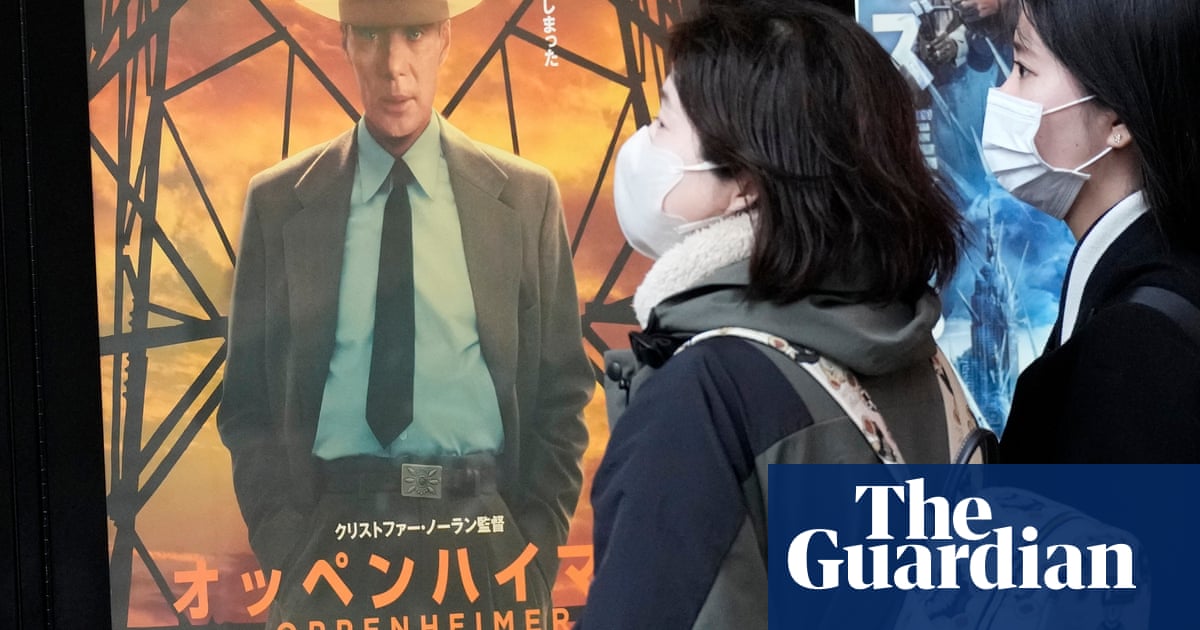
"Japanese Reactions to 'Oppenheimer' Premiere: Praise and Discomfort"
worldhistory1 year ago

"Japanese Reactions to 'Oppenheimer' Premiere: Praise and Discomfort"

The film Oppenheimer, which premiered in Japan eight months after its US release, has received mixed reviews from Hiroshima survivors and audiences. While some praised its portrayal of J Robert Oppenheimer's moral crisis, others criticized its omission of the human misery caused by the atomic bombings. Many survivors had hoped the film would acknowledge the suffering unleashed by the bombings, but some found Oppenheimer's portrayal of the physicist's shock at the reality of the atomic bombing to be sufficient. There are calls for a future film from a Japanese perspective to provide a more comprehensive account of the bombings and their aftermath.
"Managing Daylight Saving Time: Tips for a Smooth Transition"
worldhistory1 year ago

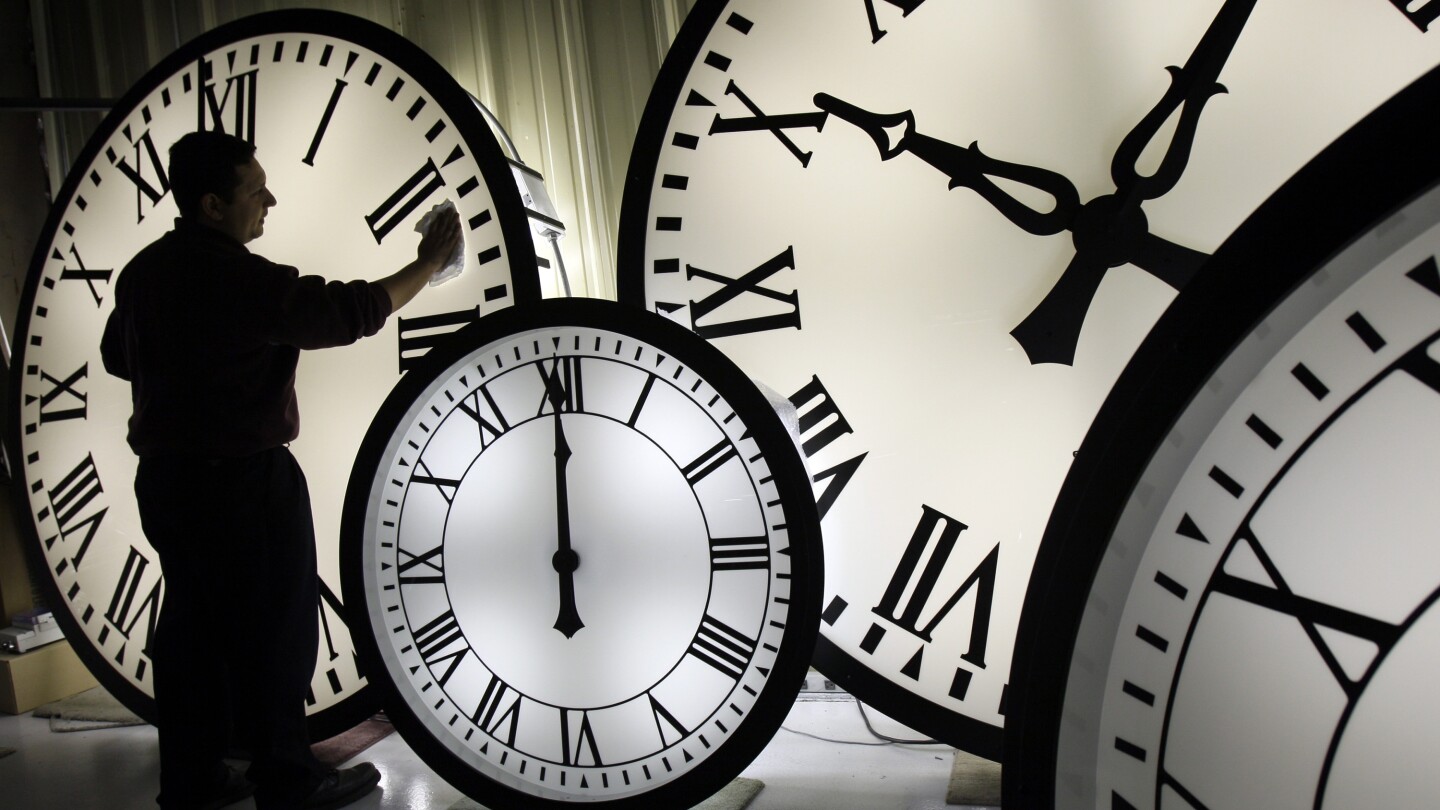
"Managing Daylight Saving Time: Tips for a Smooth Transition"

Daylight saving time, the practice of moving clocks forward in the spring and back in the fall, has a history spanning over a century, driven by world wars, confusion, and a desire for more sunlight. The idea was proposed by George Vernon Hudson in the 1890s and gained traction during World War I and II. Despite debate and confusion, about 70 countries currently observe daylight saving time. The practice has led to inconsistencies and confusion, prompting the U.S. Congress to pass the Uniform Time Act in 1966. While there are debates about the necessity of changing clocks, some regions, like Thunder Bay, Canada, enjoy the benefits of longer summer days due to daylight saving time.

"Putin Condemns 'Russophobia' and Repeats Ukraine Claims at Leningrad Siege Memorial"
worldhistory2 years ago

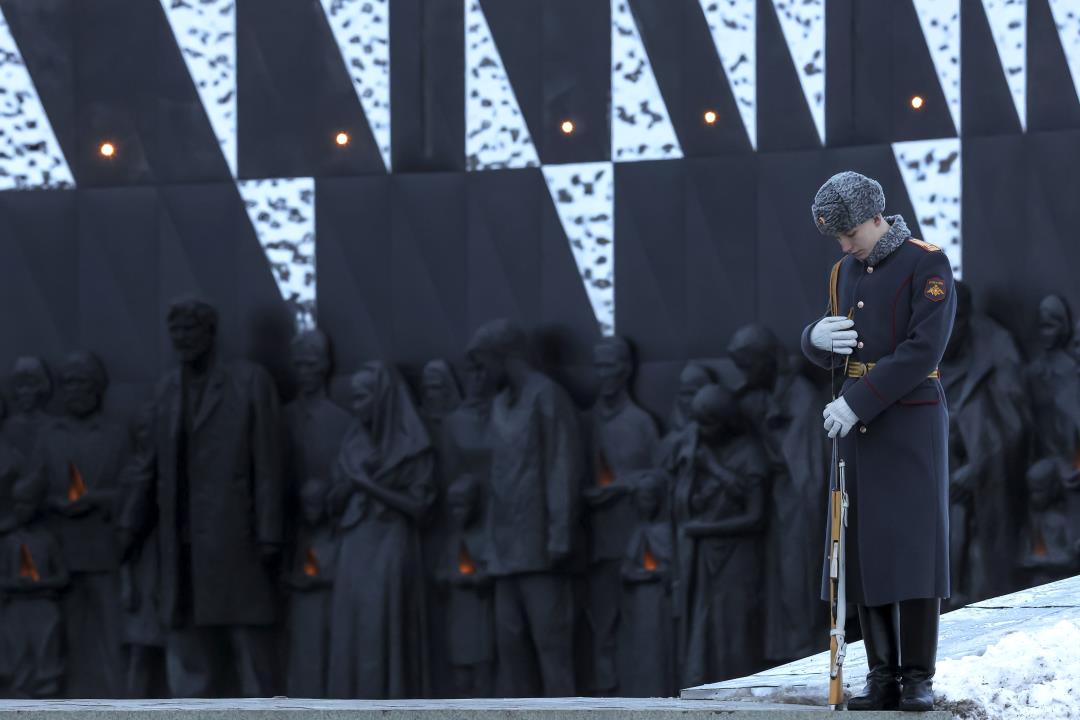
"Putin Condemns 'Russophobia' and Repeats Ukraine Claims at Leningrad Siege Memorial"

St. Petersburg commemorates the 80th anniversary of the end of the devastating World War II siege of Leningrad with events attended by Russian President Vladimir Putin and Belarusian President Alexander Lukashenko. The Red Army broke the nearly 2½-year blockade on Jan. 19, 1943, after fierce fighting, with estimates of over 1 million Leningrad residents perishing. An open-air exhibition in central St. Petersburg and Putin's personal connection to the siege highlight the significance of World War II in Russia's national identity.