The World Happiness Report, which ranks countries by happiness, relies on the Cantril Ladder, a single-question survey that may inadvertently measure status rather than overall well-being. Researchers found that different versions of the question elicited different associations, with the original ladder framing emphasizing power and wealth. This highlights the influence of cultural metaphors on survey results and the potential impact of social comparison on happiness. The report's focus on country rankings may reinforce a competitive view that hinders happiness, while social media and income inequality contribute to unhappiness by fueling social comparison.

The World Happiness Report indicates that young people in the United States, Canada, Australia, and New Zealand are less happy than their older counterparts, in contrast to global trends where the young tend to be happier. This is attributed to increased negative emotions, lower satisfaction with living conditions, and decreased support from friends and family. The report suggests that the decline in happiness for all age groups in these countries may be linked to changes hitting the young harder than others. Additionally, the surge in helping, donating, and volunteering during the COVID-19 pandemic may have contributed to well-being, particularly for Millennials and Gen Z.
The World Happiness Report revealed that young people in the United States are now the most dissatisfied demographic, citing reasons such as economic challenges, social media, political polarization, and climate change. Experts are concerned about the potential long-term impact on the well-being of this generation, as studies show a surge in suicide rates and loneliness among young Americans. However, there is room for optimism, as research suggests that individual behaviors can significantly impact happiness, and some regions have seen increases in young people's well-being.
The US has dropped out of the top 20 happiest countries for the first time, falling from 15th to 23rd place in the World Happiness Report. The report highlighted a decrease in happiness across all age groups in the US, with young people being the least happy. Finland remains the world's happiest country for the seventh consecutive year, followed by Denmark, Iceland, Sweden, and Israel, while Afghanistan is ranked as the least happy country. The rankings are based on individuals' own assessments of their lives rather than specific factors like GDP or social support.
Protests in Cuba reflect frustrations over food and electricity shortages amid a serious economic crisis, while the World Happiness Report highlights generational differences in happiness.
The United States has dropped out of the top 20 happiest countries in the World Happiness Report for the first time since its inception in 2012, with the decline driven by the unhappiness of Americans under 30. Finland continues to rank as the happiest country, but the report highlighted a concerning trend of decreasing happiness among American youth, who ranked 62nd out of 143 countries surveyed. This marks the first time the report has separated results by age, revealing significant disparities in the happiness levels of younger and older Americans.
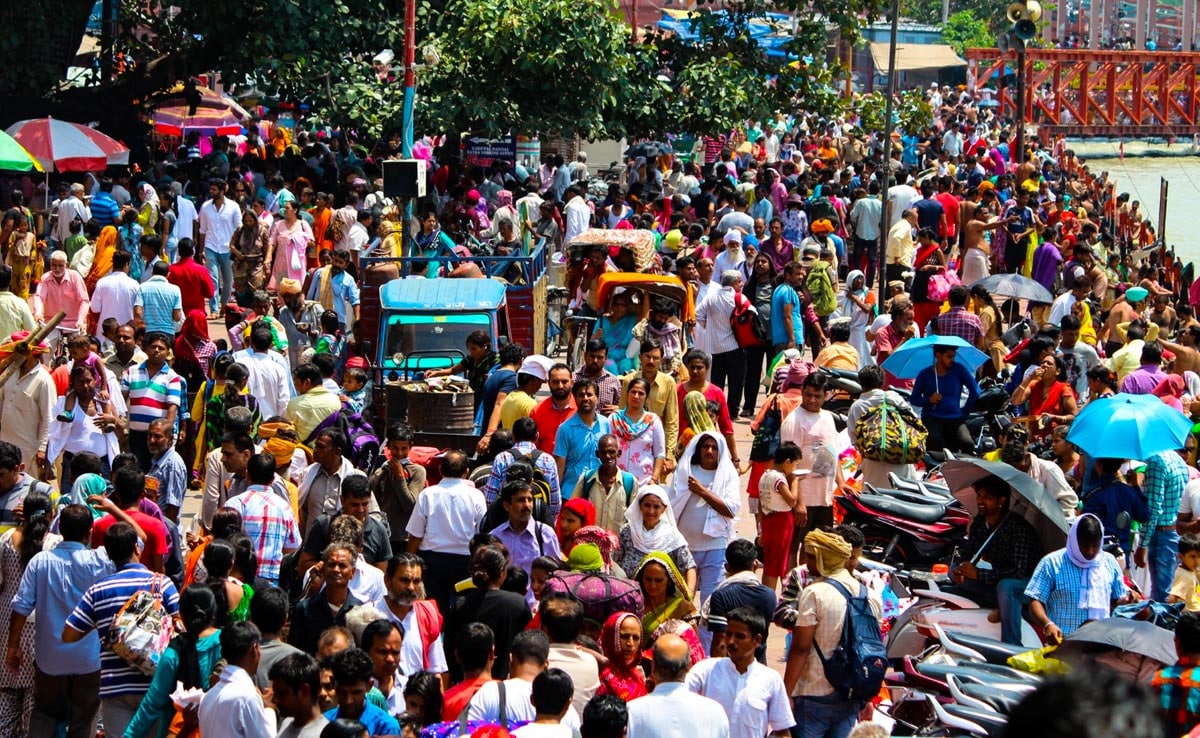
Finland has been ranked as the happiest country in the world for the seventh consecutive year, while India stands at 126th out of 143 nations in the global happiness index. The report notes that older age is associated with higher life satisfaction in India, with the young being the "happiest" and those in the "lower middle" rung being the least happy. The US has fallen out of the top 20 for the first time, and Afghanistan remains the world's 'unhappiest' nation. The report also highlights the importance of strengthening family and social networks to enhance well-being in older age, and provides separate rankings by age group, with Lithuania topping the list for children and young people under 30, and Denmark being the happiest nation for those 60 and older.
The 2024 World Happiness Report has been released, revealing the happiest countries with the US failing to crack the top 20 for the first time, ranking at No. 23. Nordic countries continue to dominate the top 10, with Finland, Denmark, and Iceland leading the list. The report also highlights the disparity in happiness between different age groups in the US, with older individuals ranking higher than younger ones. Factors impacting happiness include social support, GDP per capita, healthy life expectancy, freedom to make life choices, generosity, and perception of corruption, as measured by the Gallup World Poll.
The 2024 World Happiness Report reveals Finland as the world's happiest country for the seventh consecutive year, with European countries dominating the top 10 rankings. The report also highlights a concerning decline in life evaluations among young people and adolescents, particularly in Western Europe, and emphasizes the disparity in well-being between different age groups. Notably, the United States falls out of the top 20 for the first time, while new entrants like Costa Rica and Kuwait make their way into the top 20.
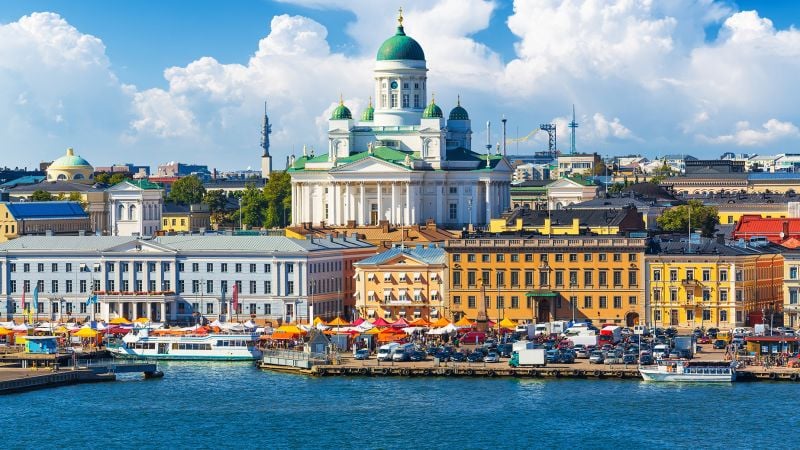
Finland remains the world's happiest country for the seventh consecutive year, with Nordic countries dominating the top 10, while Afghanistan ranks at the bottom. The United States and Germany are no longer among the 20 happiest nations, and the report highlights the absence of the world's largest countries in the top rankings. Factors contributing to happiness include self-assessed life satisfaction, GDP per capita, social support, healthy life expectancy, freedom, generosity, and corruption. Finland's strong welfare society, trust in state authorities, and emphasis on nature and work-life balance are cited as key contributors to its citizens' life satisfaction. The report also notes a worrying trend of increased happiness inequality in most regions, except for Europe.
The United States has dropped out of the top 20 happiest countries in the 2024 World Happiness Report, ranking at No. 23, with a decline in happiness particularly among young adults. Finland tops the list for the seventh year in a row, while social connections and generational disparities play a significant role in determining happiness. The report also highlights declines in happiness among 15- to 24-year-olds in various regions, emphasizing the need for policy action to address the wellbeing of children and adolescents.
Finland remains the world's happiest country for the seventh consecutive year, while India ranks 126th in the happiness index. Nordic countries dominate the top 10, with Afghanistan at the bottom. The United States and Germany are not among the top 20 happiest nations, while Costa Rica and Kuwait enter the top 20. The report highlights growing happiness inequality and notes that younger generations are generally happier, except in North America, Australia, and New Zealand, where happiness among the younger generation has declined.
Finland has been ranked as the world's happiest country for the seventh consecutive year, with other Nordic countries also ranking high. The United States and Germany dropped out of the top 20, while Afghanistan remained at the bottom. Factors contributing to Finland's happiness include a strong welfare society, trust in state authorities, and a healthy work-life balance. The report also highlighted growing happiness inequality across different regions, with younger generations being happier in some areas but not in others.
The World Happiness Report for 2024 has been released, with Finland once again topping the list as the world's happiest country. Nordic countries dominate the top rankings, while the United States drops out of the top 20 for the first time. The report also includes separate rankings by age group, revealing a decline in happiness among young people in some parts of the world, particularly in North America. However, there are welcome gains in happiness in several Eastern European countries. The report highlights the factors contributing to happiness and notes that despite challenges, young people globally have shown improved life satisfaction and enduring benevolence.
The U.S. has fallen out of the top 20 happiest countries for the first time, ranking 23rd in the World Happiness Report. Finland remains at the top of the list, while Lithuania is the happiest country for those under 30 and Denmark for those 60 and older. The report reveals a significant decline in the reported well-being of Americans under 30, with generational differences in happiness becoming more pronounced. Factors such as social connections and loneliness are cited as potential reasons for these differences, with concerns raised about the well-being of younger generations in various parts of the world.