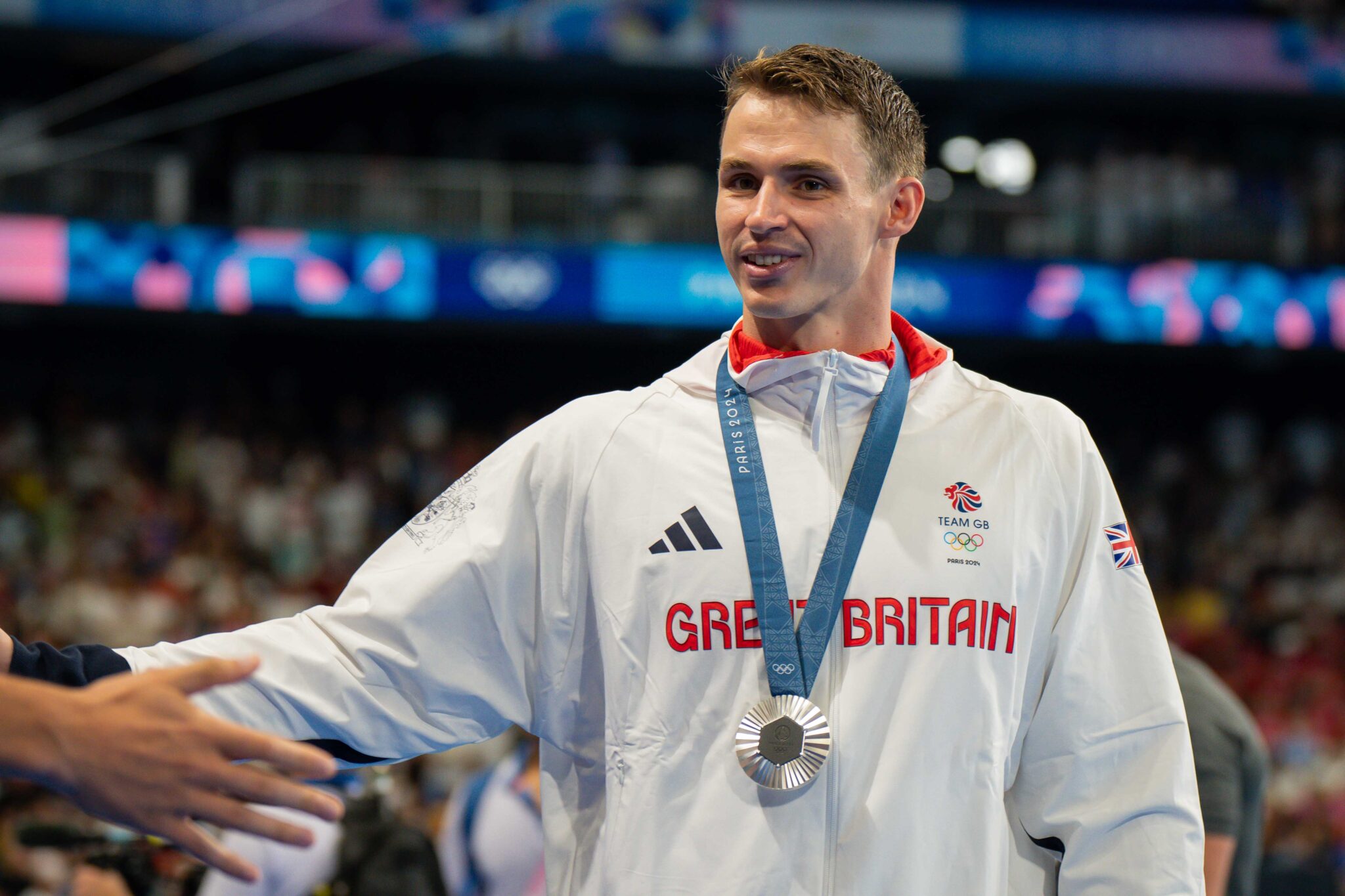
Ben Proud announced his move to the Enhanced Games, ending his international swimming career for Great Britain, raising questions about doping protocols and potential impacts on the sport, with reactions from swim experts and implications for future athletes.
World Aquatics announced a ban on athletes, coaches, and officials participating in the upcoming Enhanced Games, a controversial event promoting performance-enhancing drugs, emphasizing their stance against doping and protecting the integrity of clean sport.
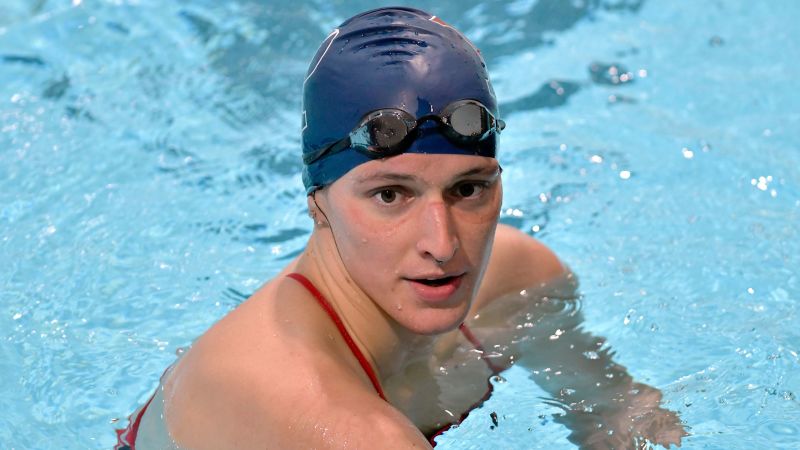
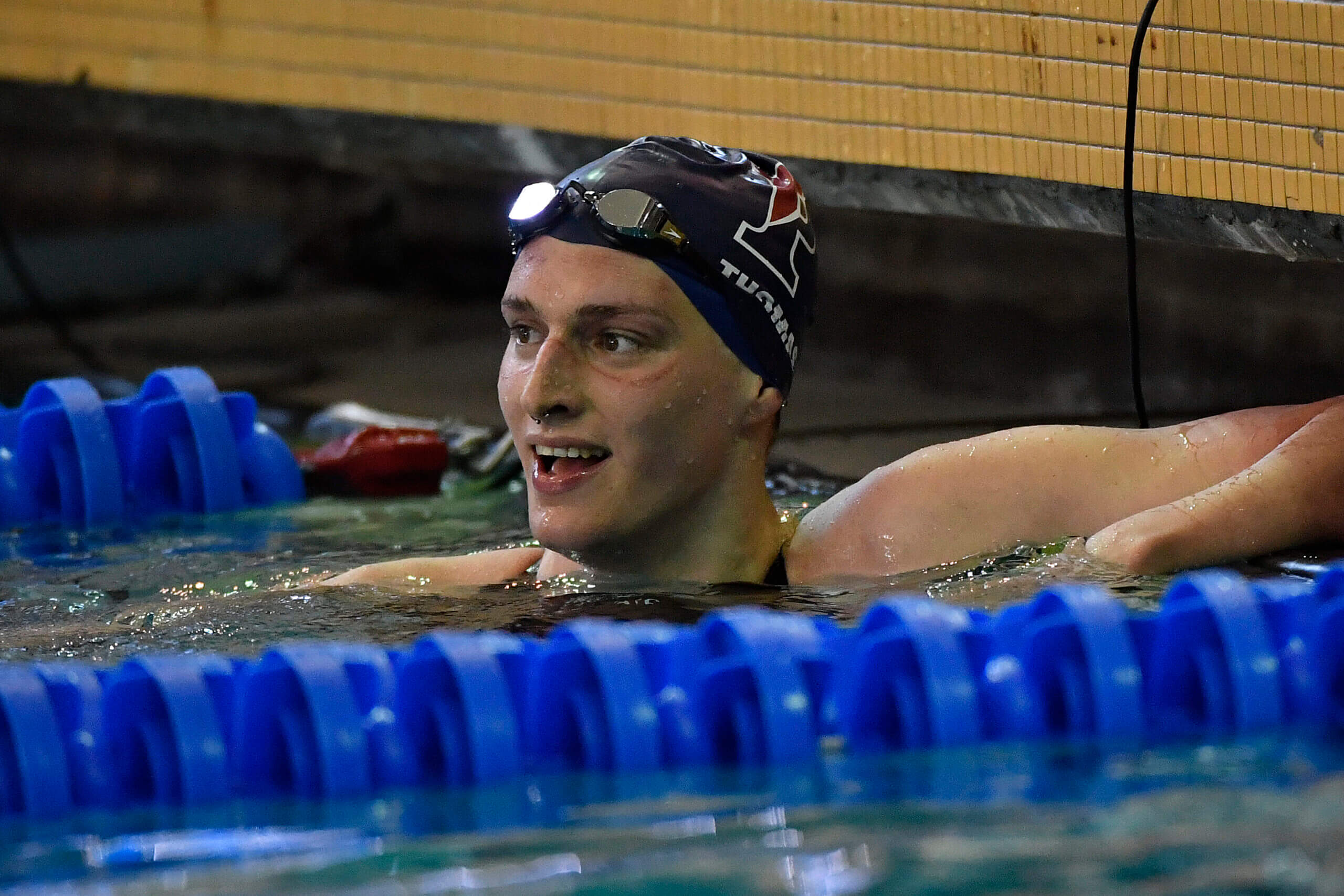
Transgender swimmer Lia Thomas has initiated legal action against World Aquatics over its gender inclusion policy, which restricts transgender athletes from competing in elite women’s aquatics competitions. Thomas is challenging the policy's provisions, arguing that they discriminate against her and violate various laws and charters. The debate on transgender women in swimming intensified when Thomas, a University of Pennsylvania swimmer, transitioned and joined the women’s team, sparking controversy and support from different quarters.
Lia Thomas, a transgender swimmer, has asked the Court of Arbitration of Sport to overturn World Aquatics' policy preventing transgender women from competing in women's divisions, arguing that the rules are discriminatory. World Aquatics introduced a new gender policy in 2022, allowing transgender women to compete in women's events only if they transitioned before the age of 12 or before early puberty stages. Thomas, who won a women's NCAA event in 2022, aims to compete in the Olympics and has initiated arbitration proceedings challenging the policy.
Transgender swimmer Lia Thomas has asked the Court of Arbitration for Sport to overturn World Aquatics' rules that prevent her from competing in elite women's races, arguing that they are discriminatory. The rules, implemented in June 2022, ban transgender women who have been through male puberty from competing in women's races but create an "open" category for transgender athletes. Thomas, who won a national college title in the 500-yard freestyle, contends that the rules discriminate against her and violate the Olympic Charter, the World Aquatics Constitution, and Swiss law.
Transgender swimmer Lia Thomas is challenging World Aquatics' new rules that effectively ban most trans women from competing in women's swimming events, seeking to overturn the regulations through a legal battle at the Court of Arbitration for Sport. The rules, issued in June 2022, prohibit trans women from competing unless they transitioned before age 12, potentially impacting their participation in the Olympics. Thomas, who made history by winning an NCAA swimming championship, aims to compete in the Olympics and is confronting the ongoing debate over trans women in sports.
NCAA champion Lia Thomas is challenging World Aquatics’ ban on transgender women who have gone through male puberty by taking her case to the Court of Arbitration for Sport. Her lawyer argues that the rules are discriminatory and cause harm to trans women, aiming to ensure fair and science-based participation in sports. World Aquatics lobbied for the case to be thrown out, citing Thomas's lack of membership in USA Swimming. The ban was implemented after Thomas won the 2022 NCAA title, and World Aquatics created a separate "open" category for transgender athletes, which has seen limited participation at the elite level.
Transgender swimmer Lia Thomas is taking legal action against World Aquatics in an effort to compete in elite female sport, including the Olympics, after new rules were introduced in 2022 prohibiting those who have undergone "any part of male puberty" from the female category. Thomas, who denies transitioning for an advantage, has recruited a Canadian law firm to take the case to the court of arbitration for sport in Switzerland. World Aquatics defends its gender inclusion policy, but a victory for Thomas could have implications for other governing bodies with similar rules.
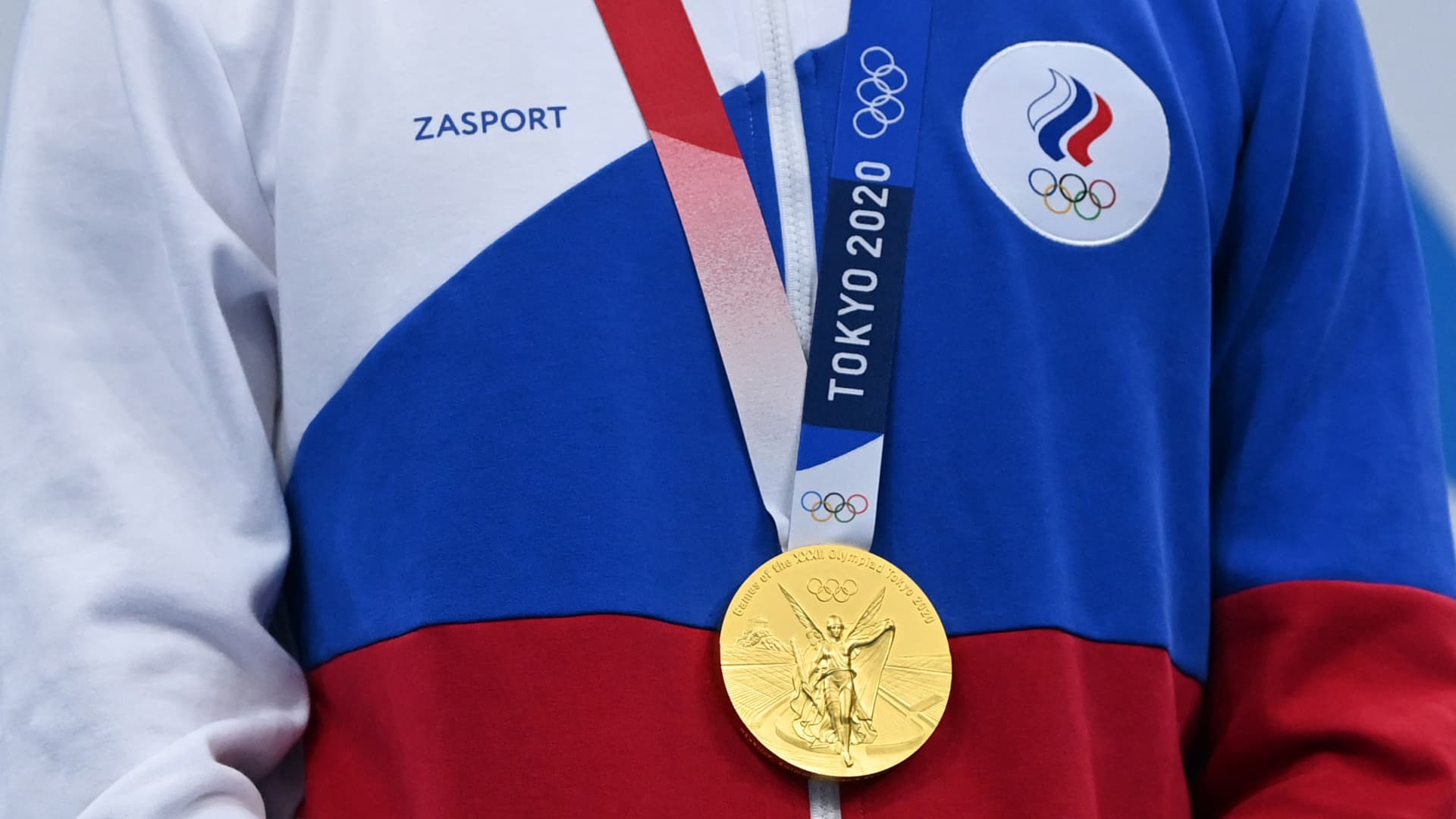
Individual Russian swimmers will be allowed to compete in international events, including the Paris Olympics, if they meet "strict criteria" set by the World Aquatics governing body. These criteria include not talking to the media and not showing any public support for the war in Ukraine. Only one Russian and Belarusian athlete will be allowed to enter each swimming and diving event, and they cannot participate in relays, artistic swimming, synchronized diving, or water polo. The athletes and support staff must wear all-white uniforms, and Russian and Belarusian flags and anthems are not allowed. Swimmers and divers who display discriminatory behavior towards their Russian and Belarusian opponents will face disciplinary action.
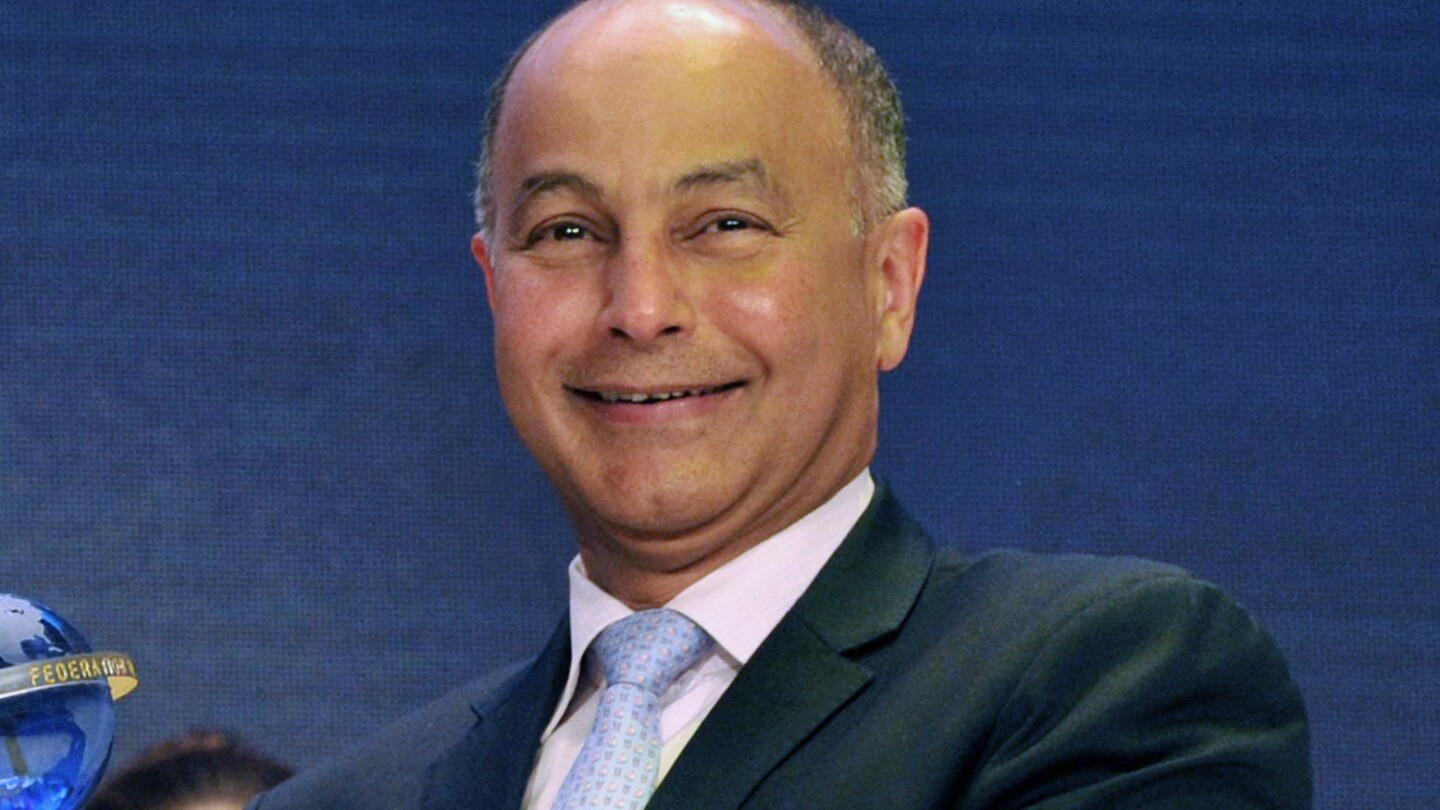
Swimming's governing body, World Aquatics, has announced plans to establish an "open category" that will include transgender competitors in future events. The decision comes after previous bans on transgender athletes participating in major events. World Aquatics President Husain Al-Musallam emphasized the importance of inclusivity and fair competition, stating that "nobody should be excluded from our competitions." The first trial event is expected to take place soon, with details yet to be confirmed. American swimmer Lia Thomas made history in 2022 as the first transgender woman to win a national title in swimming.