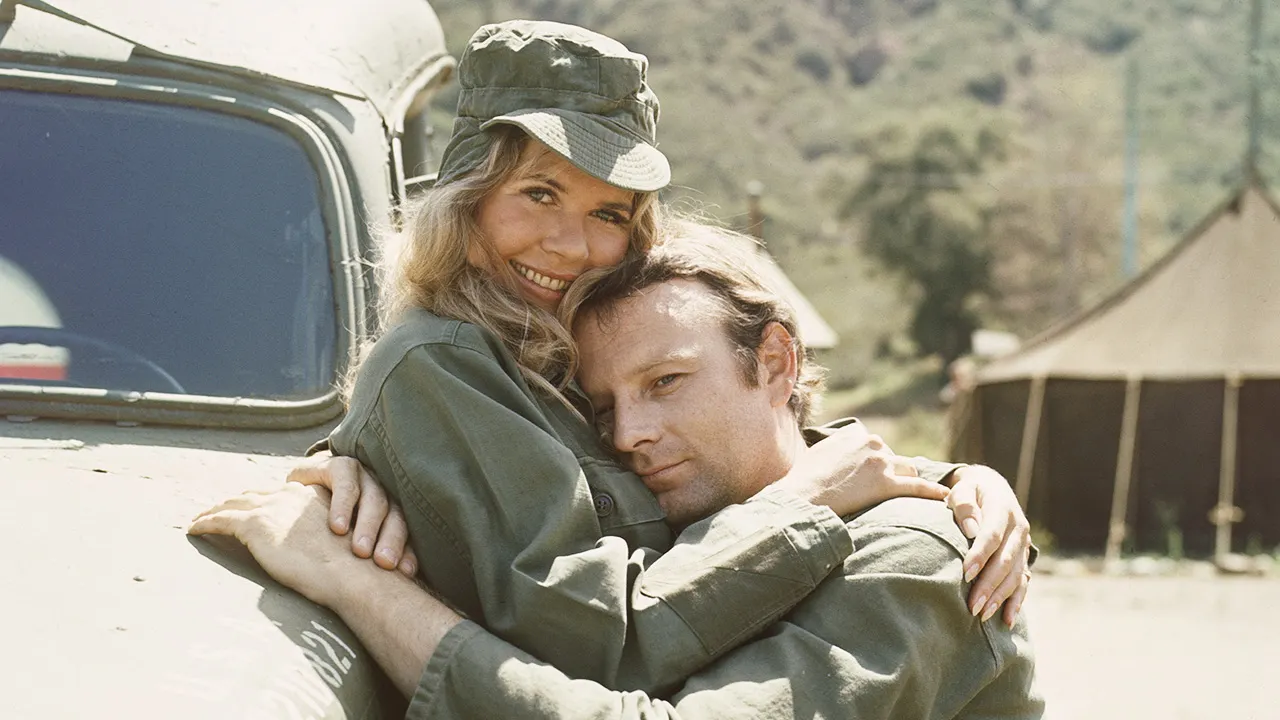
Loretta Swit, known for her role as Major Margaret "Hot Lips" Houlihan in the TV series "M*A*S*H," revealed that she disliked her character's nickname, considering it disrespectful to women in the military. Swit, who saw her character as an inspiration and representation of servicewomen, urged the show's writers to phase out the nickname. She continues to connect with fans and support veterans through her appearances and her nonprofit organization, SwitHeart Animal Alliance, which focuses on reuniting military dogs with their handlers or matching them with veterans in need of companionship. Swit emphasized the importance of honoring and supporting servicemen and women, stating that they deserve our respect and gratitude.
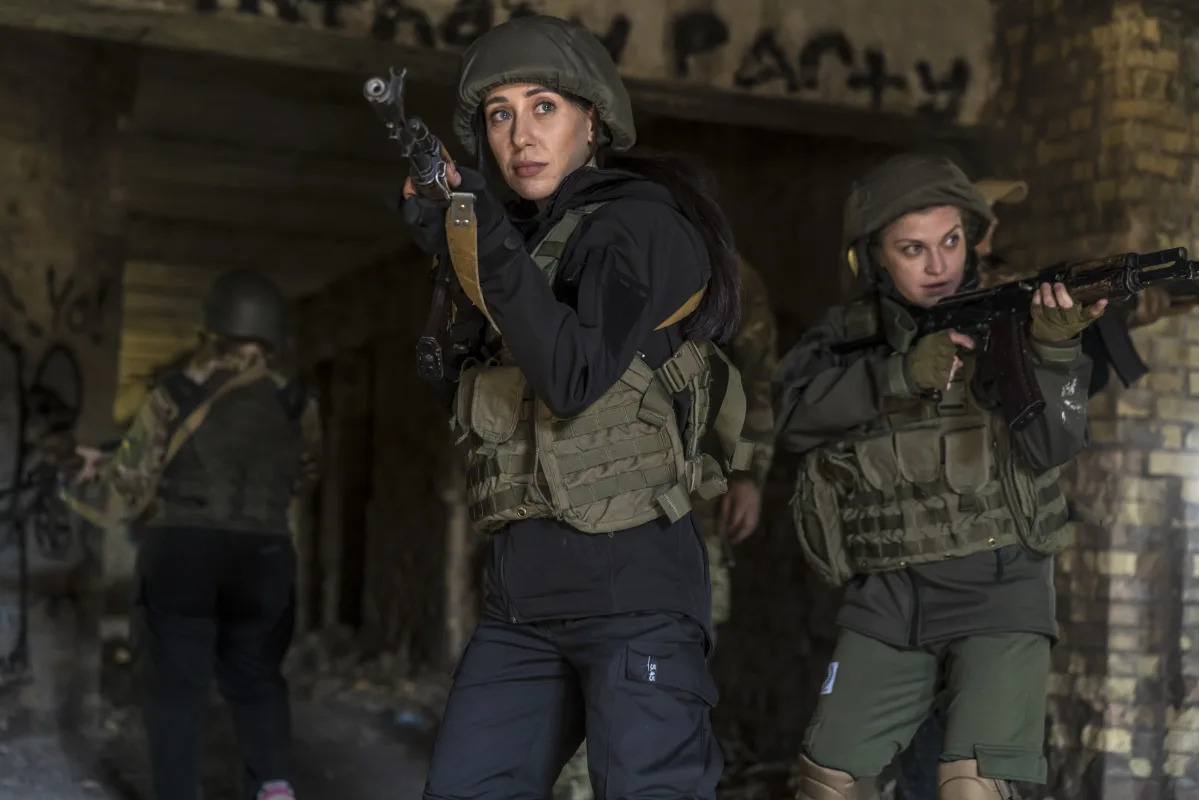
As Ukraine seeks to replenish its military forces amid the ongoing conflict with Russia, efforts are being made to draw more women into the army. Volunteer groups are offering all-female training sessions to prepare women for combat roles. Currently, about 43,000 women serve in the Ukrainian military, a 40% increase since 2021. The military has lifted restrictions on women in combat roles and raised the age limit for female recruits. The training sessions aim to create an environment where women can learn without feeling inferior to men and emphasize that gender does not determine a warrior's abilities.
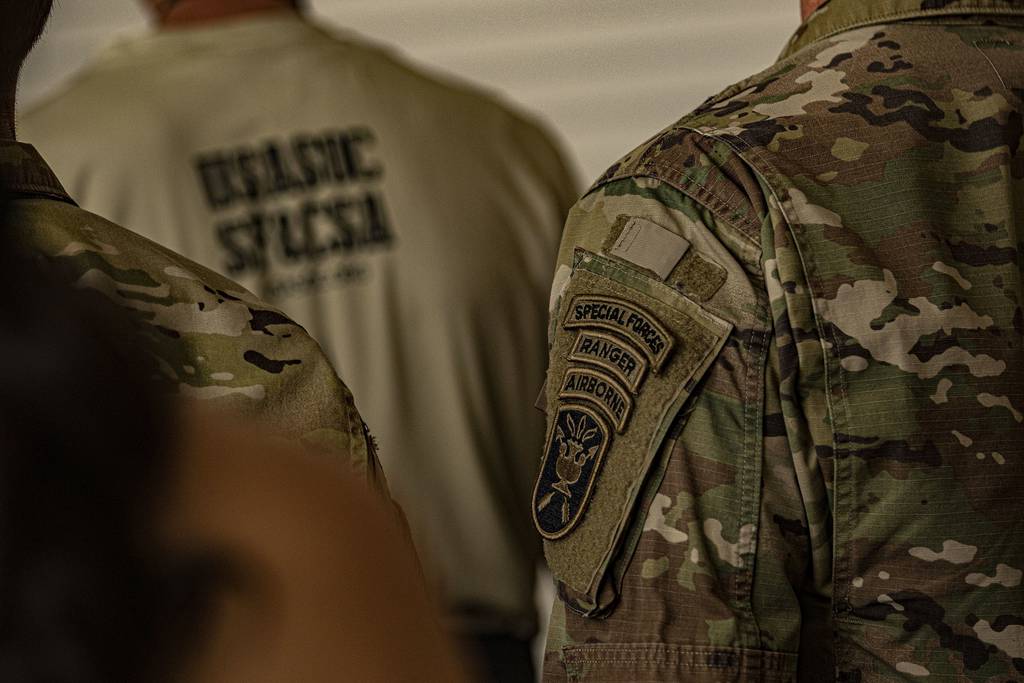
A recent internal study conducted by the Army reveals that women in Army special operations face blatant sexism, particularly among senior noncommissioned officers (NCOs) who express a lack of respect for female superiors and dread the idea of working with women. The study highlights that while women have made significant strides in the military, they still face discrimination and double standards in elite military echelons. Female soldiers reported having to work harder than men, being passed over for less qualified men, and facing double standards in terms of dress code and job opportunities. The Army acknowledges the problem and recognizes the need for cultural change.
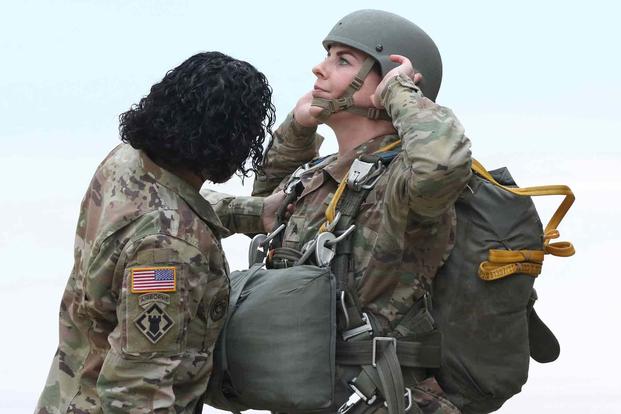
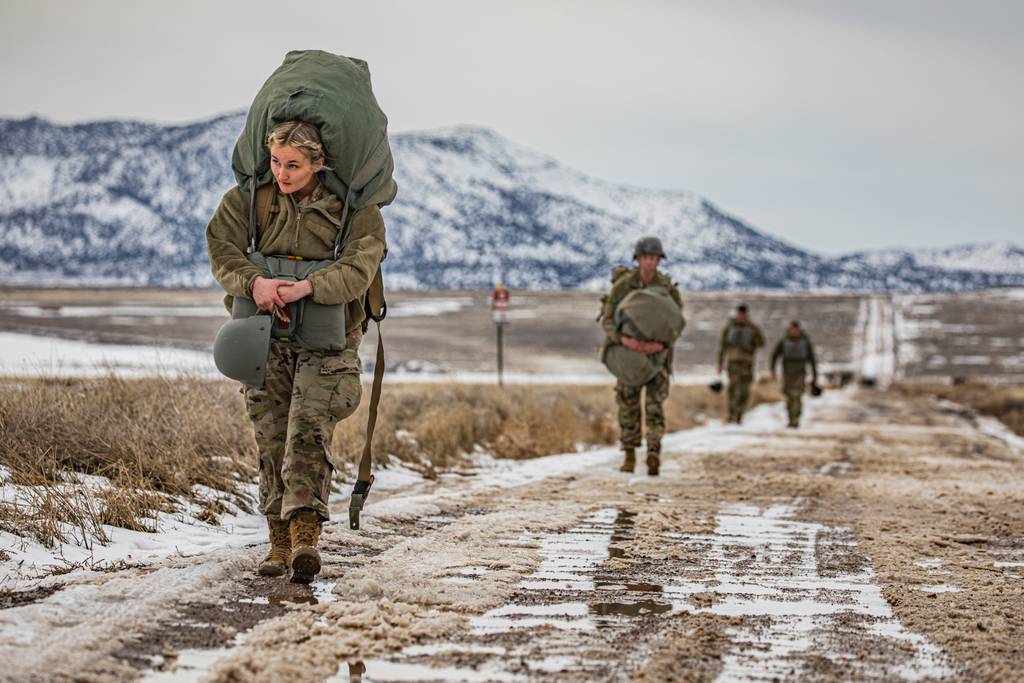
A study conducted by the U.S. Army Special Operations Command (USASOC) reveals that nearly half of the women in the command face problems with ill-fitting gear, leading some to purchase their own or borrow from spouses. The study highlights issues such as body armor designed for men, uncomfortable MOLLE packs, helmets that obstruct vision, and a lack of bladder relief systems. The report emphasizes the need for gear that fits female soldiers properly and addresses gender bias within the military. The Army is working on solutions, including fielding a new armored plate carrier and an adjustable strap for helmets, while also improving education and awareness about gear adjustments.
A study conducted by the U.S. Army Special Operations Command (USASOC) has found that women in the special operations community face "benevolent sexism" and various barriers to service. Female soldiers reported being excluded and called out due to their status as parents, perceived sternness or friendliness, and even their choice of clothing. The study also highlighted obstacles such as limited access to healthcare, pregnancy support, child care, and safety concerns. Jealousy from spouses and significant others was identified as a major barrier to equality and camaraderie within units. The study recommended increased education and awareness to address these issues and promote gender equality in USASOC.
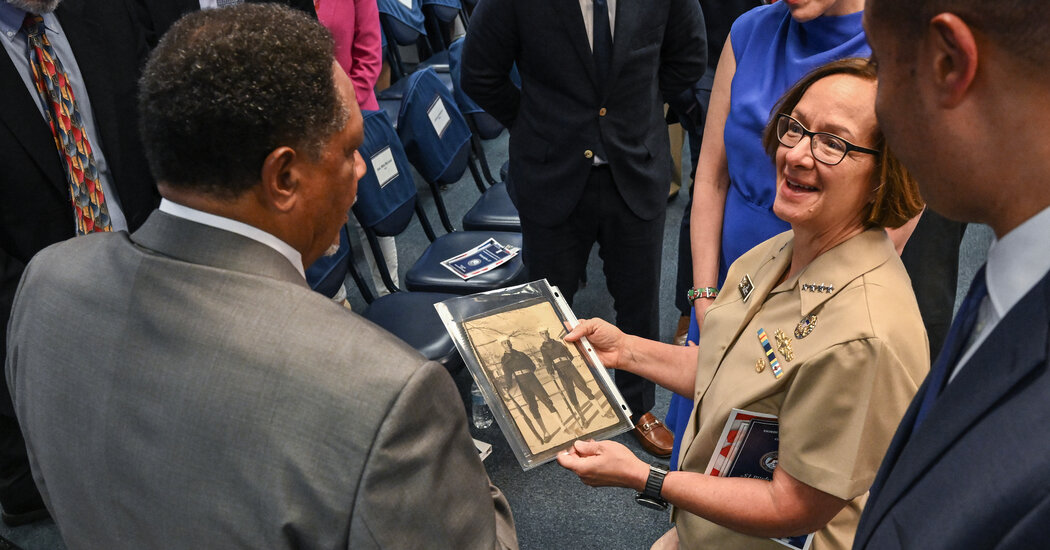
President Biden has nominated Admiral Lisa Franchetti to become the first woman to lead the U.S. Navy in its 247-year history. Currently serving as the Navy's second in command, Admiral Franchetti would also become a permanent member of the Joint Chiefs of Staff if confirmed. Her nomination marks a significant milestone for women in the military, and she is praised for her extensive operational and policy experience.
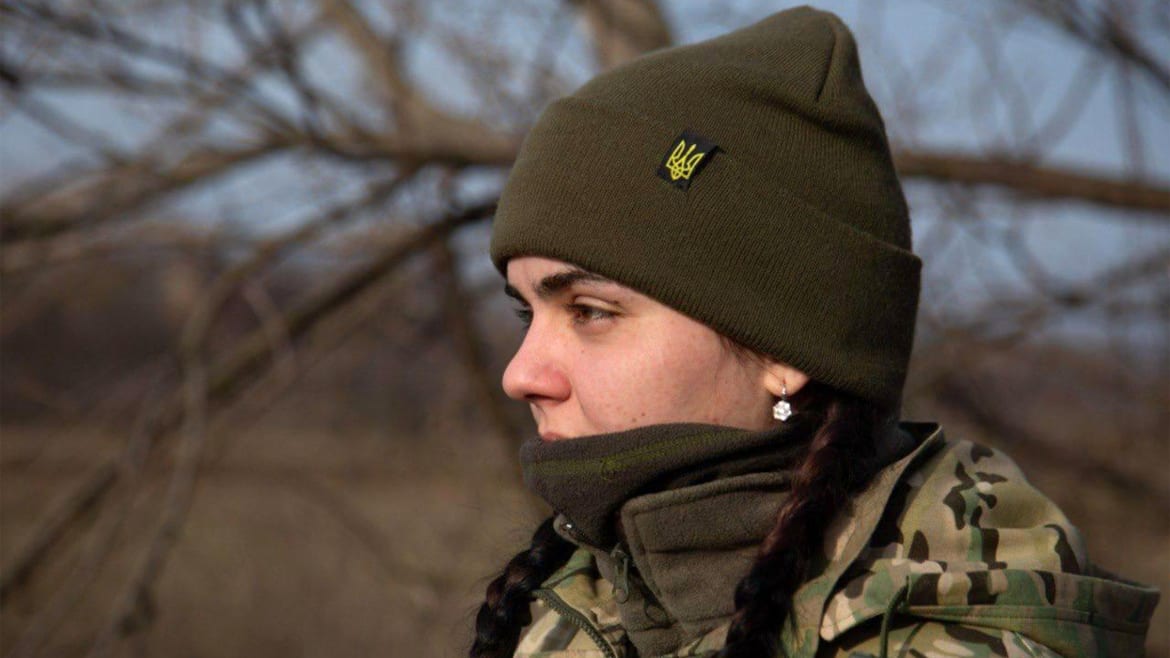
Women serving in the Ukrainian army are facing additional hardships and dangers due to the lack of appropriate equipment and resources. Ill-fitting uniforms, boots, body armor, and the absence of female urination devices or diapers are just some of the challenges they face. These issues not only impact their physical health but also hinder their effectiveness on the battlefield. While efforts are being made to address these problems, such as the introduction of new uniforms designed for women, there is still a significant shortage of resources. The charity organization Zemliachky is working to provide uniforms to female soldiers, but they currently only have enough funds to dress 10% of the 9,000 women in need.
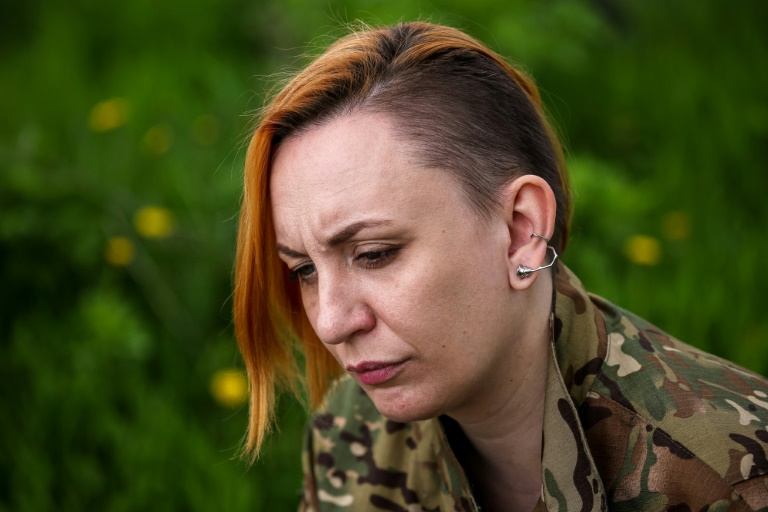
Ukrainian women are joining the military and becoming frontline medics to aid the war effort, even at the risk of orphaning their children. With 42,000 women serving in the armed forces, including 5,000 on the front line, there are no figures specifying how many joined after -- or because -- their partners were killed on the front lines. The desire to fight Russia's invasion is not driven by a need to take revenge, but rather the need to finish what their loved ones started.