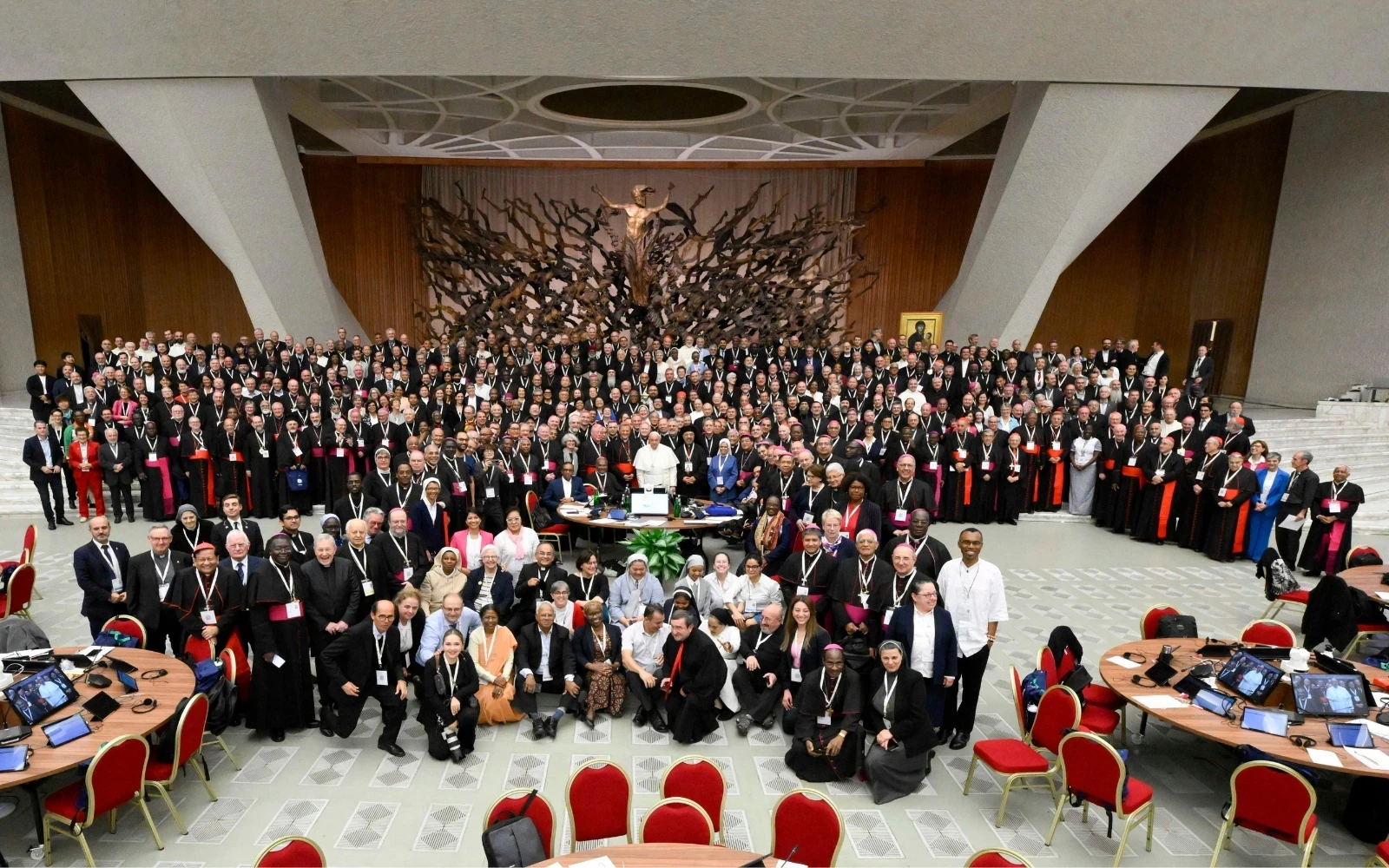
The Vatican's synod office has postponed the final reports from study groups on controversial issues like women deacons and LGBT inclusion until the end of 2025, with interim reports expected in July. The extension allows more time for in-depth study on these topics, which are being examined by expert panels rather than the full synod assembly, and the final reports may influence future Church decisions.
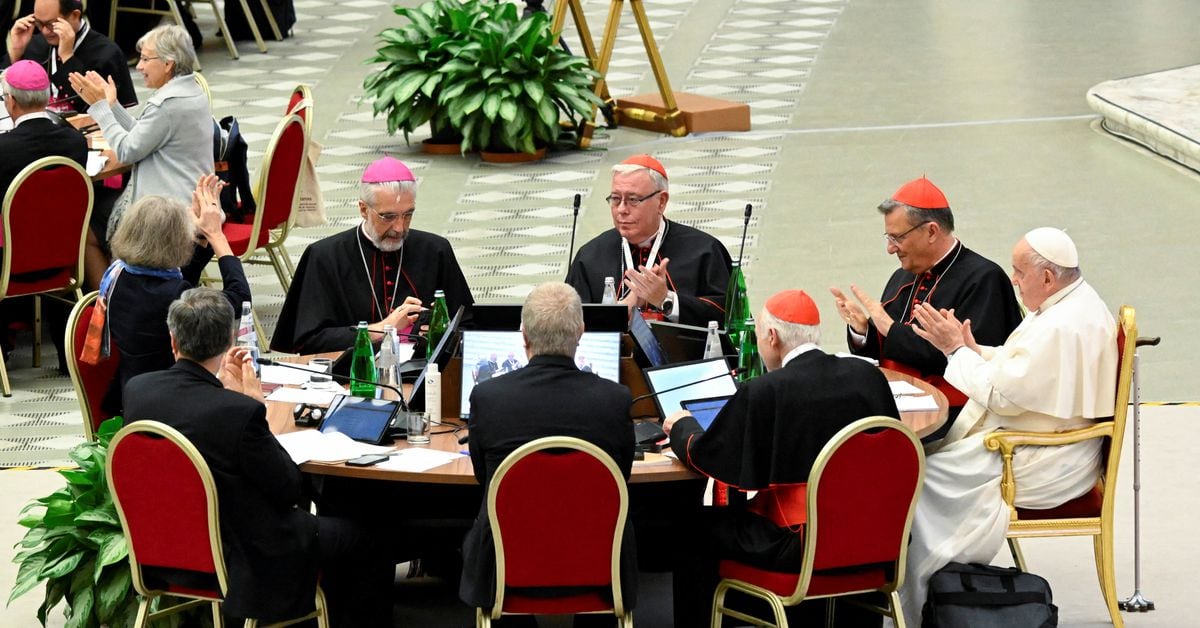
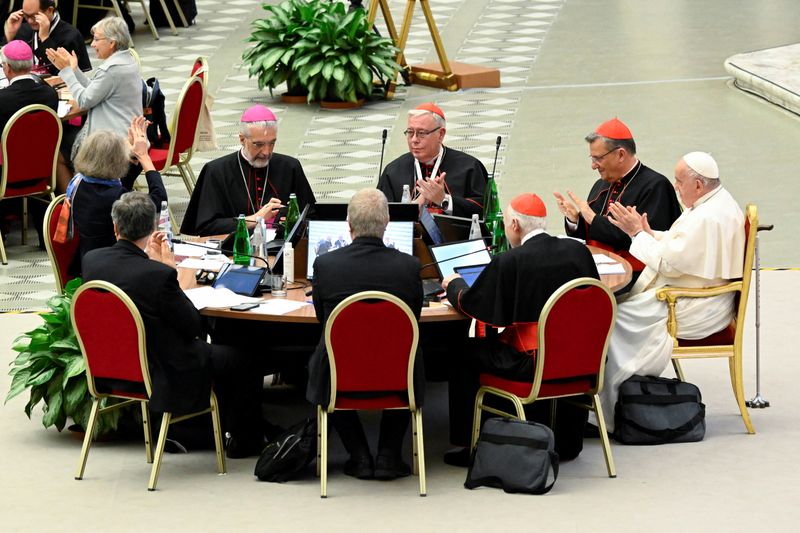
The month-long Vatican Synod of Bishops, which followed a two-year consultation with Catholics, concluded without clear stances on contentious issues such as women deacons and the inclusion of the LGBT community. While the possibility of women being ordained as deacons received negative votes, the final report did not take a stand on LGBT issues, despite discussions beforehand. The report acknowledged the desire of marginalized individuals to be heard and accompanied but did not call for greater inclusion. LGBT advocates expressed disappointment, emphasizing the importance of the Catholic Church living up to its ideals of inclusivity and equality. Pope Francis will ceremoniously close the gathering with a Mass on Sunday.
The month-long Vatican meeting, known as a Synod of Bishops, concluded without clear stances on contentious issues such as women deacons and the inclusion of the LGBT community. While two paragraphs in the final document mentioned the possibility of women being ordained deacons, they received the most negative votes. The report acknowledged the desire of marginalized individuals to be heard and accompanied but did not call for greater inclusion. LGBT advocates expressed disappointment, emphasizing the importance of the Catholic Church living up to its ideals of inclusivity and equality. The pope will ceremoniously close the gathering with a Mass on Sunday.
The Vatican synod, a month-long gathering of the Catholic Church's highest consultative body, ended with divisions over the issues of LGBTQ+ inclusion and women deacons. Pope Francis had expressed openness to blessing same-sex couples, but conservative bishops from Eastern Europe, Africa, and elsewhere opposed this, resulting in the synod's concluding report omitting any mention of LGBTQ+ and using vague language about marginalized individuals. The synod also showed divisions on the role of women in the church and the question of priestly celibacy. The ideological rifts within the global church highlight the challenges faced by Pope Francis in unifying the faithful and making reforms.
Pope Francis' Vatican summit on the future of the Catholic Church concluded without taking action on the ordination of women as deacons and without addressing the concerns of LGBTQ Catholics. The 41-page report approved at the summit called for further consideration of the possibility of women deacons at the next assembly of the Synod of Bishops in 2024. The report also highlighted the need for better inclusion of women in church leadership and the need to address employment injustices and unfair remuneration for women in the church. However, it did not use the terms "LGBT" or "gay" and did not explicitly address the concerns of LGBTQ Catholics. The report also proposed the creation of new structures to prevent clergy sexual abuse and discussed the issue of clerical celibacy.
The Vatican's working document for the Synod of Bishops in Rome includes the topic of women's inclusion in the diaconate, as Church leaders and delegates ponder Pope Francis' call for a more inclusive, synodal Church. The document also urges delegates to think outside the box and consider new ministries that could provide opportunities for women's effective participation in decision-making bodies. While Pope Francis has boosted women's presence in the Roman Curia and appointed two papal commissions to study the historical and theological record on women deaconesses, he has endorsed the Church's permanent preclusion from ordaining women as priests.
The Vatican's synod office has released a 60-page document that will guide the Synod of Bishops in October, which will address issues such as women deacons, access to the priesthood for married men, the integration of LGBTQ+ Catholics, and penance for sexual abuse and the abuse of power, conscience and money. The document is structured around three themes of communion, mission, and participation, and includes over 100 specific questions for synod participants to reflect upon. The primary goal of the first session will be to outline areas of in-depth study that will be carried out in a synodal style in the lead-up to the synod's second session in October 2024.