The Kennedy Center website is experiencing high traffic, and visitors are placed in a temporary waiting room to manage the demand, with updates provided on the event status and a link to their YouTube channel for highlights.
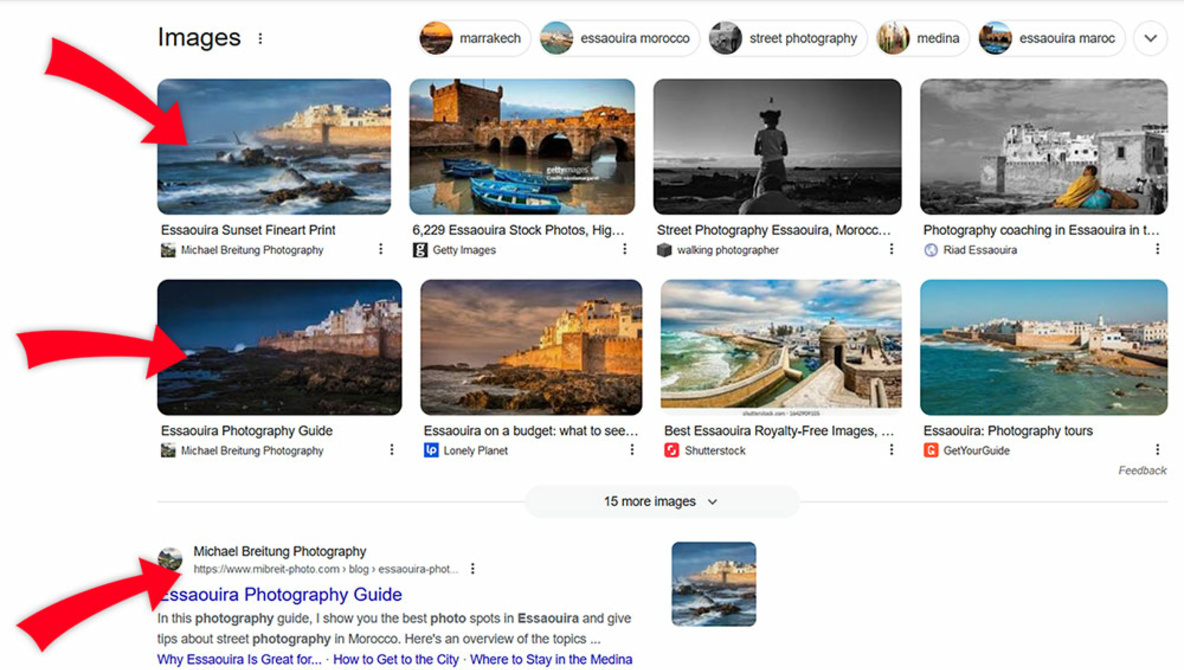
Google denies that AI search features are significantly reducing website traffic, claiming overall organic click volume remains stable and that user trends are shifting towards other content types like forums and videos. Despite increased AI-driven responses, Google suggests that the quality of clicks has improved and views AI as an opportunity for publishers, though some studies indicate a decline in traffic to news sites. The company emphasizes that search was already declining before AI, and it is now focusing on enhancing click quality and alternative monetization methods for publishers.
To rank on Google, focus on creating long-form, quality content that provides value and personal experience, rather than relying on AI-generated content. Use informative titles, captivating feature images, clear structure with a table of contents, internal links, and perform checks using Google's Pagespeed Insights and a keyword checker tool. Request indexing through Google Search Console and analyze and optimize your content's performance to improve its ranking.
OpenAI's ChatGPT, the AI chatbot, experienced a third consecutive monthly decline in website visits in August, with a 3.2% decrease to 1.43 billion visits. The average time spent on the site also decreased from 8.7 minutes to 7 minutes. However, there was a slight increase in worldwide unique visitors to 180.5 million users. The return of students to school in September may boost ChatGPT's traffic, as some schools have started using it for homework help. ChatGPT, which reached 100 million monthly active users in January, faces competition from other chatbots like Google's Bard and Microsoft's Bing. OpenAI also released the ChatGPT app on iOS, potentially impacting website traffic.