A Human Rights Watch report highlights how South Korea's 'peak wage' system and mandatory retirement policies lead to significant wage cuts for older workers, pushing many into poverty and precarious employment, despite debates on raising the retirement age to address demographic and economic challenges.
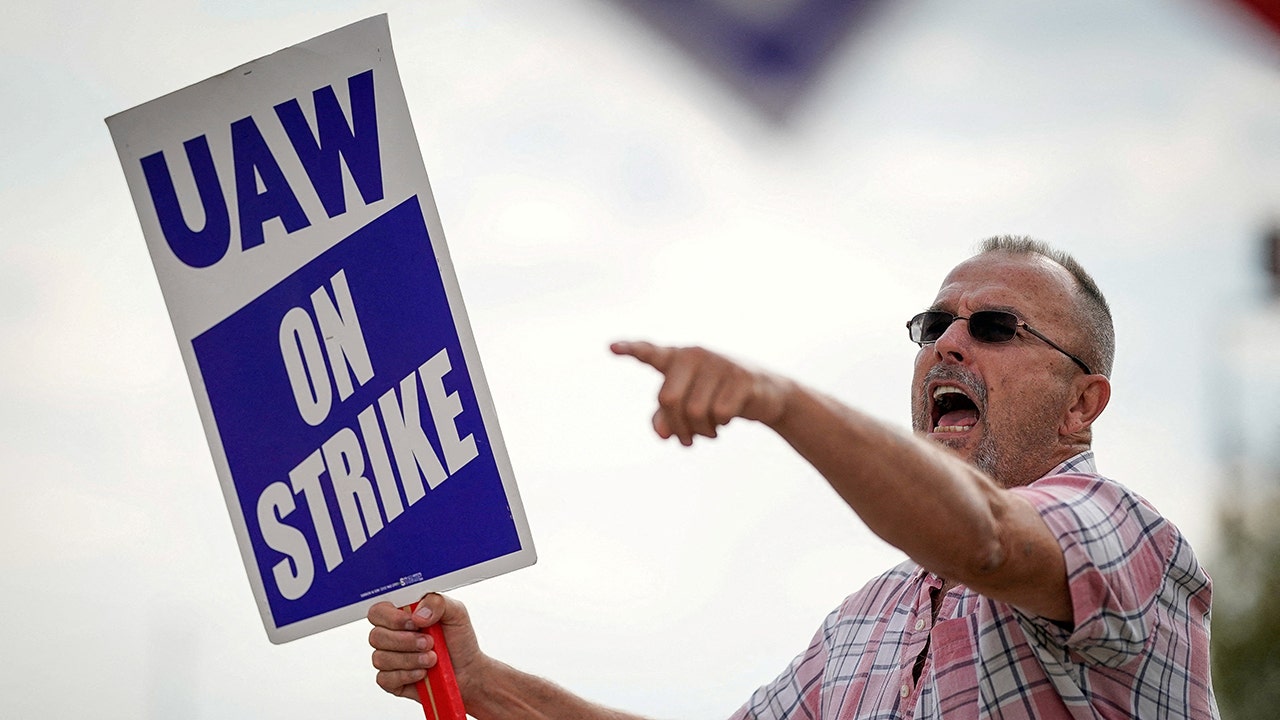
The United Auto Workers (UAW) strike, now in its sixth week, has damaging short-term effects on the global economy. However, if the UAW secures their negotiation demands, including a 40% wage increase, a shorter work week, and the elimination of the two-tiered wage system, the impact on the U.S. economy and workforce could be even worse. The elimination of the two-tiered wage system, in particular, would result in everyone in a given role receiving the same compensation, regardless of experience or time in the position. This demand, influenced by failed Marxist ideas, would weaken the U.S. auto industry's competitiveness and productivity. The article highlights the disastrous economic effects of similar policies in Mao Zedong's China and emphasizes the importance of incentives and competition in fueling productivity and economic growth.
The United Auto Workers (UAW) union will begin contract talks with Detroit's Big Three automakers this week, ahead of the expiration of the current labor deal in mid-September. UAW President Shawn Fain aims to eliminate the two-tier wage system, restore pay improvements tied to the cost of living, and address retiree benefits cut during the Great Recession. The UAW will forgo the traditional media event of shaking hands with company executives and instead meet with auto workers to mark the beginning of talks. The automakers are focused on cutting costs to fund the transition to electric vehicles, while the UAW seeks fair compensation for workers.
UPS has agreed to end its two-tier wage system in ongoing contract negotiations with the International Brotherhood of Teamsters, a major victory for union workers that could help avert a strike on August 1. The Teamsters also secured additional wins, including establishing Martin Luther King Day as a full holiday and ending forced overtime on drivers' days off. However, negotiations continue ahead of the contract's expiration on July 31, with UPS aiming to reach an agreement by July 5. The union is pushing for higher wages and a historic new contract by August 1. In a separate labor dispute, approximately 7,400 dockworkers in Canadian West Coast ports went on strike after negotiations with employers failed to reach an agreement. The president of ILWU Canada warned the government to stay out of the dispute, expressing frustration with slow employer responses and accusing them of benefiting from record profits while workers faced unsafe conditions during the pandemic.