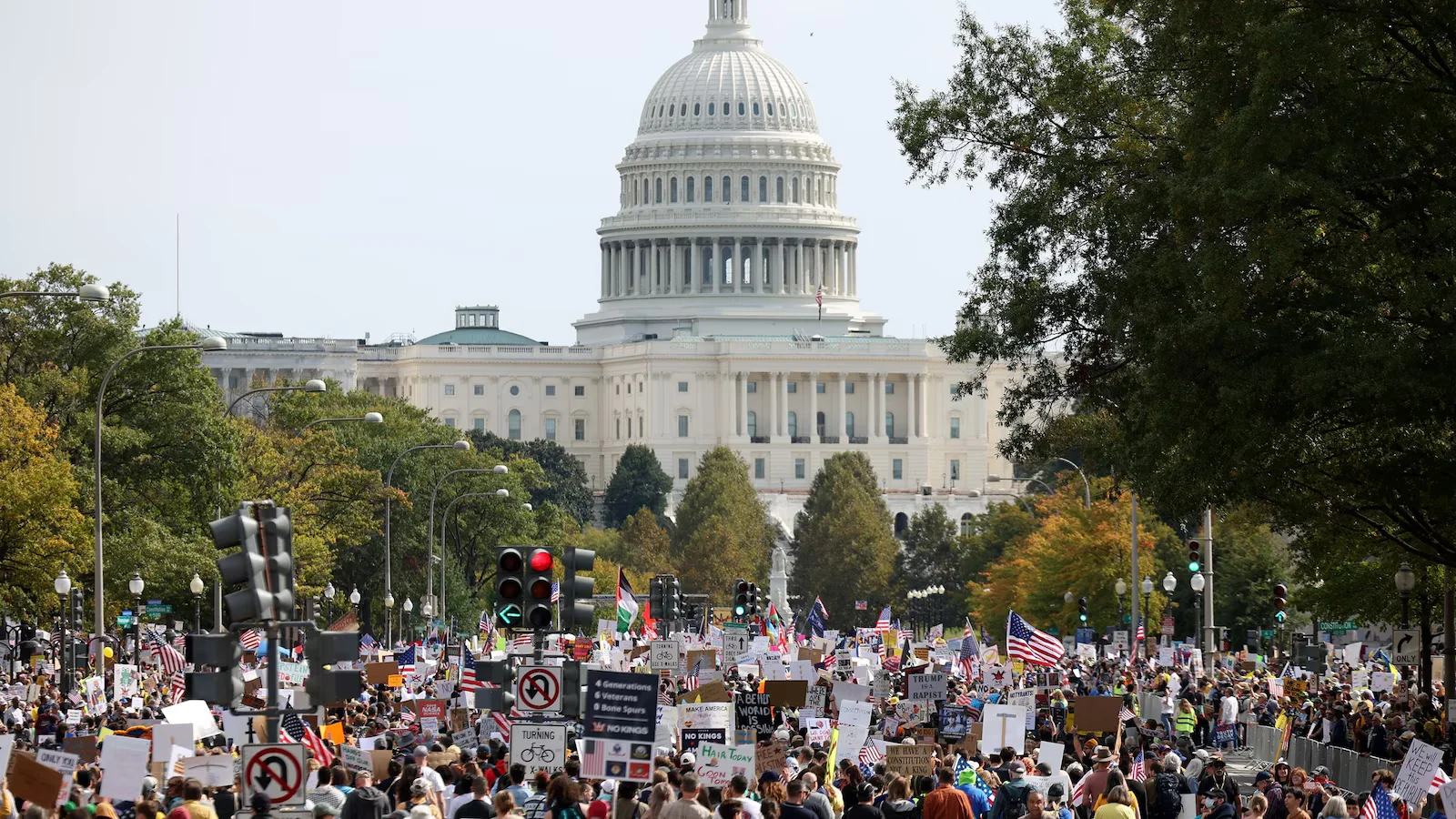
Voters in key states expressed widespread dissatisfaction and anger during recent elections, driven by discontent with the current political climate and leadership, which has led to significant Democratic gains and could influence future political engagement and elections.
A Texas man legally changed his name to "Literally Anybody Else" and is running for president under that name, aiming to offer an alternative to the usual candidates. He faces the challenge of gathering enough signatures to appear on the ballot but is encouraging Texas residents to write in his name as an option. Recent polls have shown dissatisfaction with both Trump and Biden as potential nominees, reflecting a desire for alternative choices in the upcoming presidential election.
A significant portion of Republican primary and caucus voters expressed dissatisfaction with the prospect of Donald Trump becoming the party's nominee, with some indicating they would not vote for him in the general election. While this opposition hasn't hindered Trump's nomination progress, it could pose challenges in the future, especially considering the presence of "never-Trump" voters who were unlikely to support him in the first place. Additionally, there are indications of broader skepticism among independents and even some Republicans who previously supported Trump, suggesting potential obstacles for his reelection bid.
As Americans express weariness over a potential rematch between Joe Biden and Donald Trump in the 2024 presidential election, a number of independent, third party, and long shot candidates are emerging in hopes of capitalizing on voter ambivalence. While the odds are stacked against them, these candidates believe that the deeply divided and frustrated electorate is ripe for alternative options. Notable figures include Jill Stein, who plans to run as the Green Party nominee, and Robert F. Kennedy Jr., who is running as an independent. Additionally, the well-funded group No Labels is working towards ballot access in all 50 states, causing anxiety among Democrats who fear it could split the Biden vote and benefit Trump.