Google is updating its Android app's voice search interface with a modern redesign inspired by Search Live, featuring a centered 'G' logo, a new arc waveform, and a prominent 'Play Sing Hum' button, enhancing user experience, though the rollout is not yet widespread.
Google's Android 16 QPR2 Beta 3 introduces enhancements to the Photo Picker, including a date scrubber for quicker navigation and voice-activated search, aiming to simplify finding specific photos in large collections. These features are initially available in the beta and will be rolled out to older Android versions via a future update.
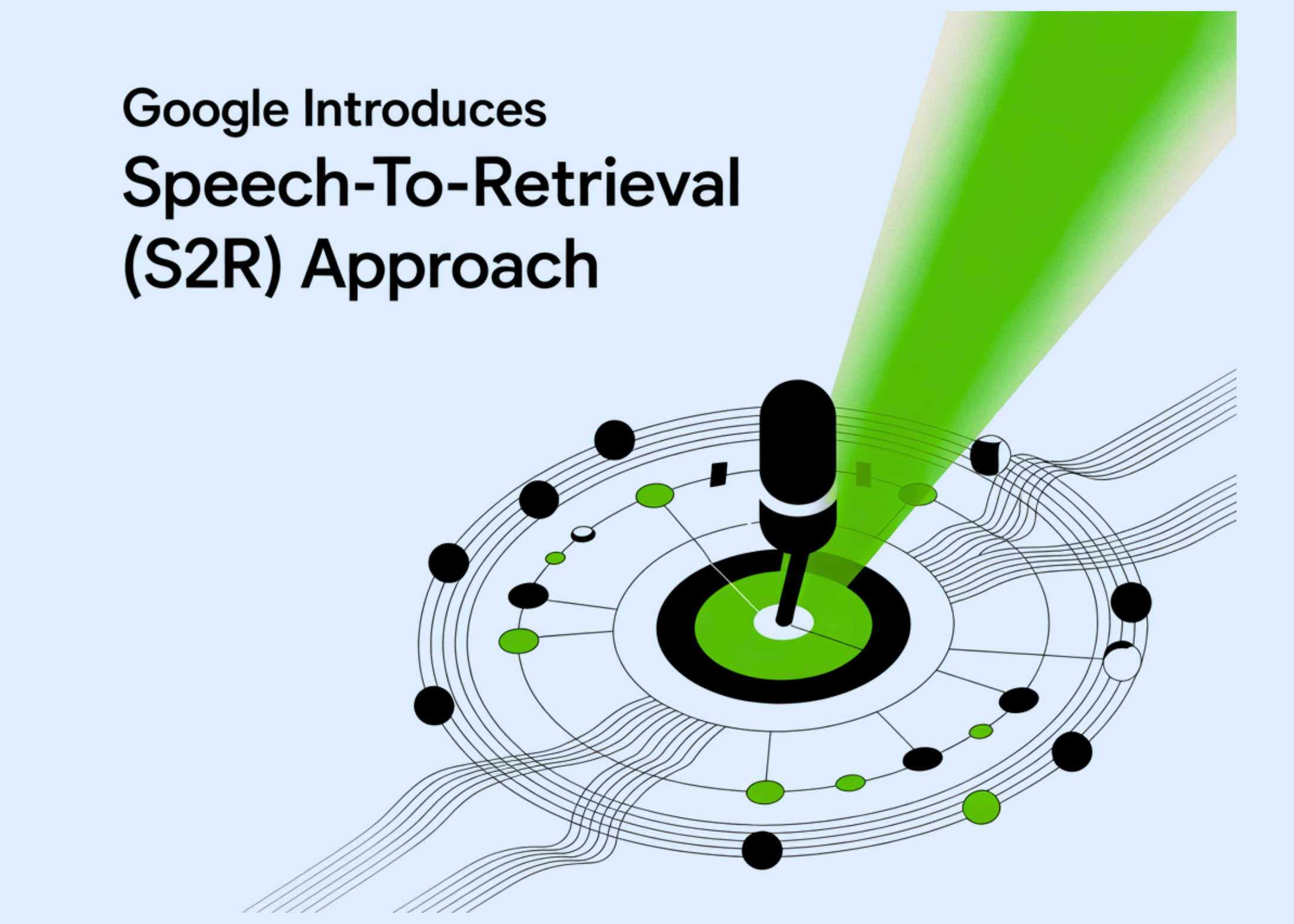
Google has introduced Speech-to-Retrieval (S2R), a new approach that maps spoken queries directly to embeddings for information retrieval, bypassing traditional speech-to-text conversion. This method improves accuracy by focusing on retrieval intent rather than transcript fidelity, using a dual-encoder architecture trained on paired audio and document data. S2R outperforms previous cascade models and is now in production, supporting multiple languages and open-sourced datasets for benchmarking.
Google has launched 'Search Live' with real-time voice search capabilities through its AI Mode Labs experiment, allowing users to have natural spoken conversations with search, receive AI-generated audio responses, and access web links simultaneously, with ongoing updates including visual search features.
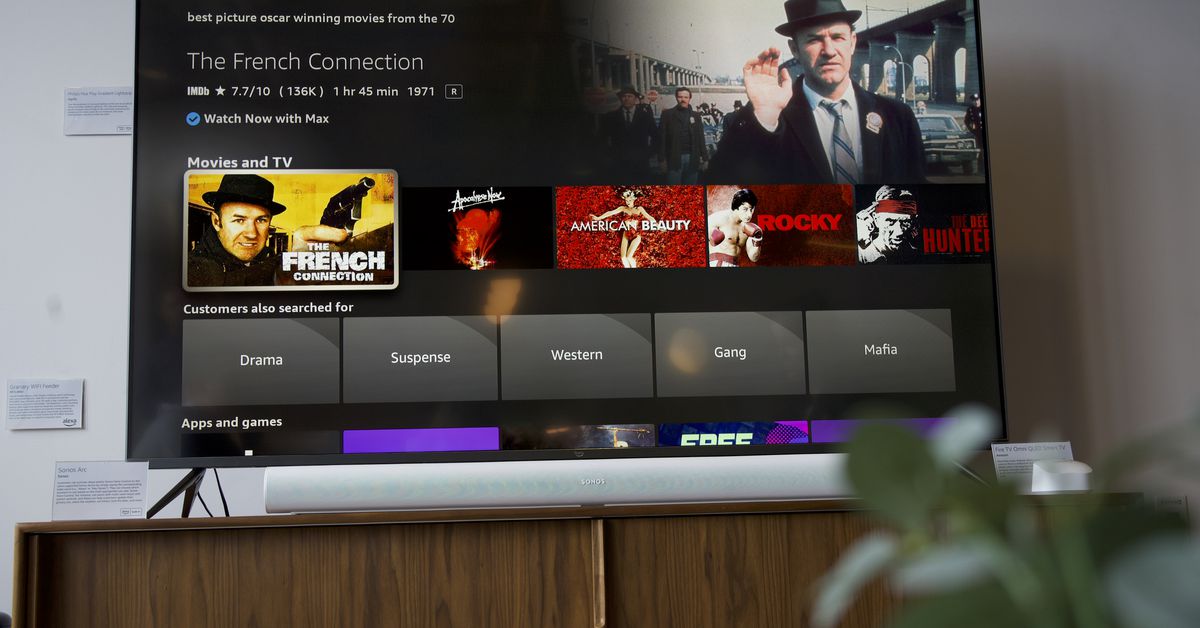
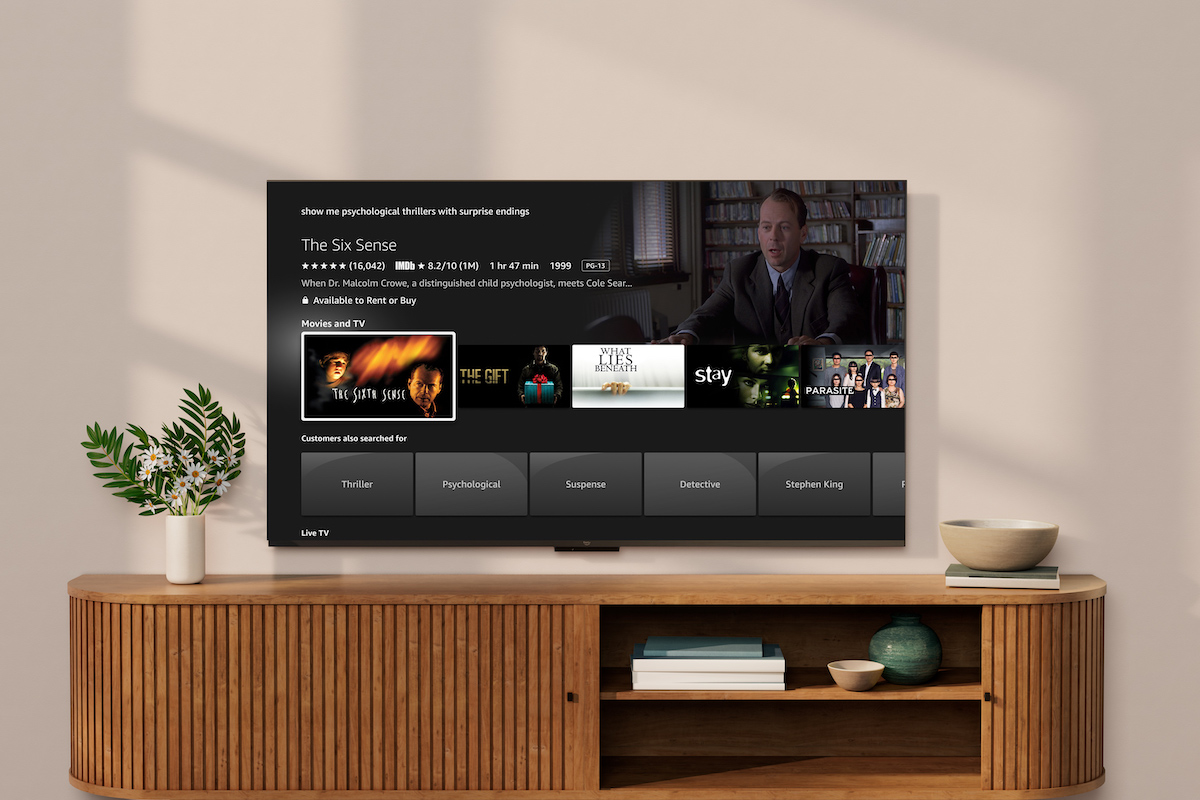
Amazon's new AI-powered voice search for Fire TV aims to simplify finding content using natural language queries. While the feature shows promise, it currently struggles with accuracy and depth, often providing outdated or irrelevant results. Amazon acknowledges these limitations and plans future updates to enhance the system's conversational capabilities and search relevancy. Initial tests revealed mixed results, but recent updates suggest improvements have been made.
Amazon is introducing an AI-powered voice search feature to Fire TV devices, allowing Alexa to answer open-ended questions about TV shows and movies and provide tailored recommendations. This feature, powered by a proprietary large language model, will be available in the U.S. in a few weeks for Fire TV devices running Fire OS 6 or later.
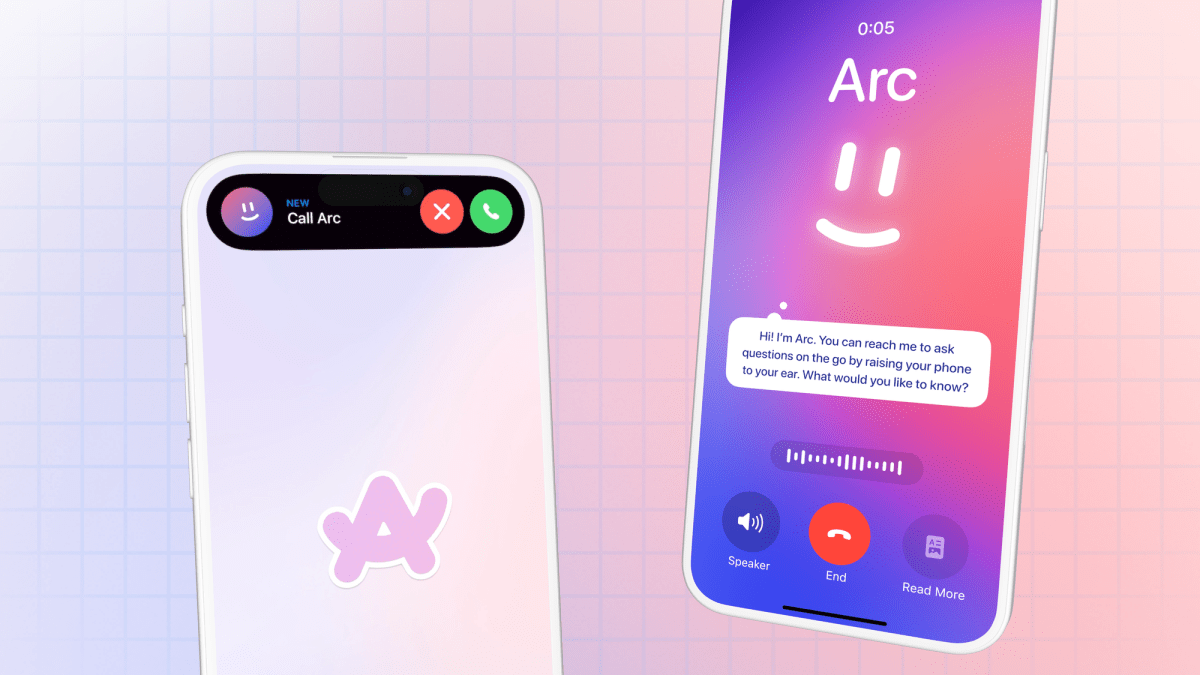
Arc Search, an app by The Browser Company, has introduced Call Arc, a new AI-powered feature that allows users to get quick answers by making a phone call. Users can simply hold their phone to their ear and ask questions, receiving instant voice responses. This feature aims to provide a faster and more convenient alternative to typing, making it easy to get information on the go.
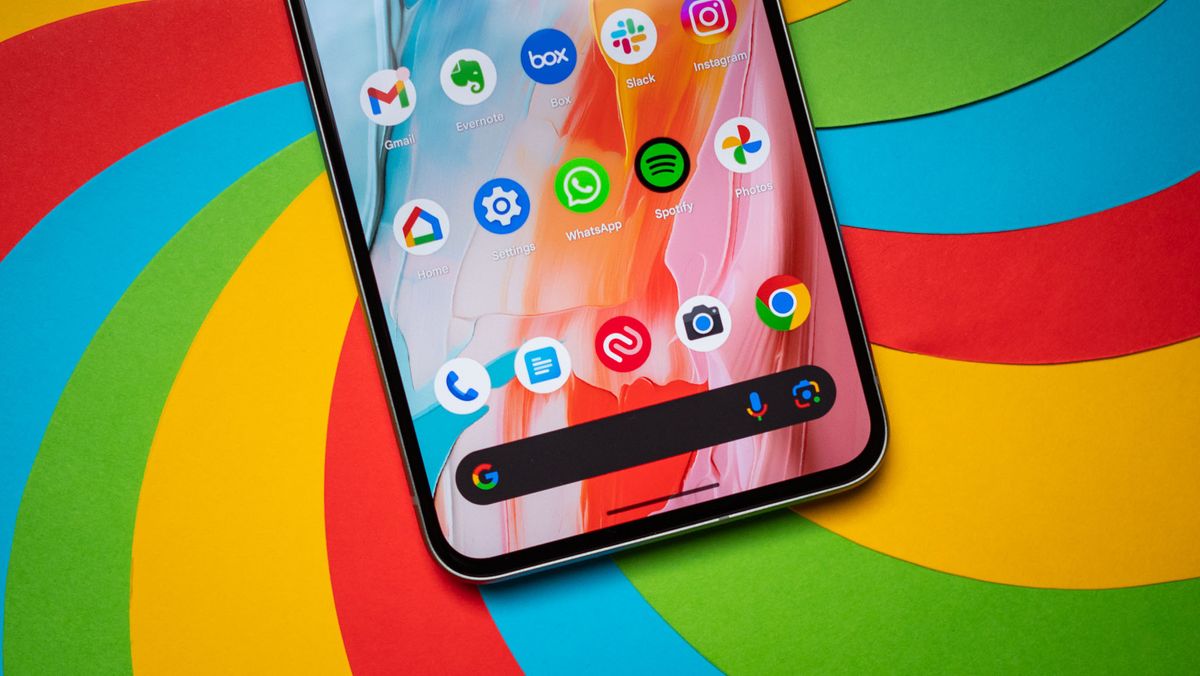
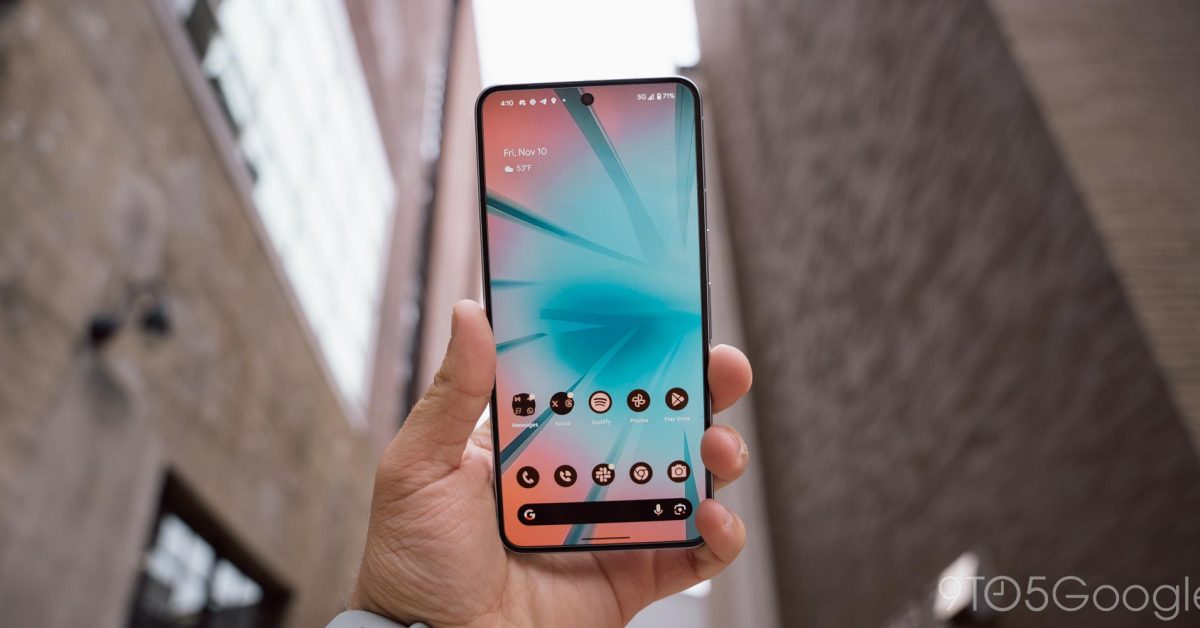
Google has re-mapped the microphone icon in the Pixel Launcher's search bar, removing its function as a Google Assistant shortcut and instead making it trigger Google Search results. This change was announced alongside the removal of 17 features in Google Assistant, with Google stating that the microphone icon's most popular use case is to get Google Search results. While users can still access Google Assistant through other methods, such as voice commands or button presses, the change may cause frustration for those accustomed to using the shortcut.
Google is removing the microphone shortcut for Google Assistant from Pixel devices as part of a broader effort to streamline the user experience within the Google app. The shortcut will now activate "Voice Search" instead, prompting users to use "Hey Google" or press and hold the power button to access Assistant. This change disrupts an ingrained user habit and raises questions about the future of launching Assistant through gestures or navigation bar shortcuts.
Amazon has unveiled new devices for its Fire TV lineup, including the Fire TV Stick 4K and Fire TV Stick 4K Max, as well as a Fire TV-branded soundbar. Alongside the hardware updates, Amazon introduced generative AI-powered voice search for Fire TV, allowing users to ask more nuanced and open-ended questions about TV shows and movies. The new voice search feature enables users to find content based on specific actors, directors, scenes, genres, or personalized recommendations. Additionally, a "Continue Watching" row will showcase titles from non-Amazon properties. The new Fire TV devices support Wi-Fi 6, offer improved processors, and include features like Dolby Atmos audio and Alexa Home Theater. The devices are available for pre-order, and the generative AI-powered voice search and "Continue Watching" row will roll out in the U.S. later this year.