
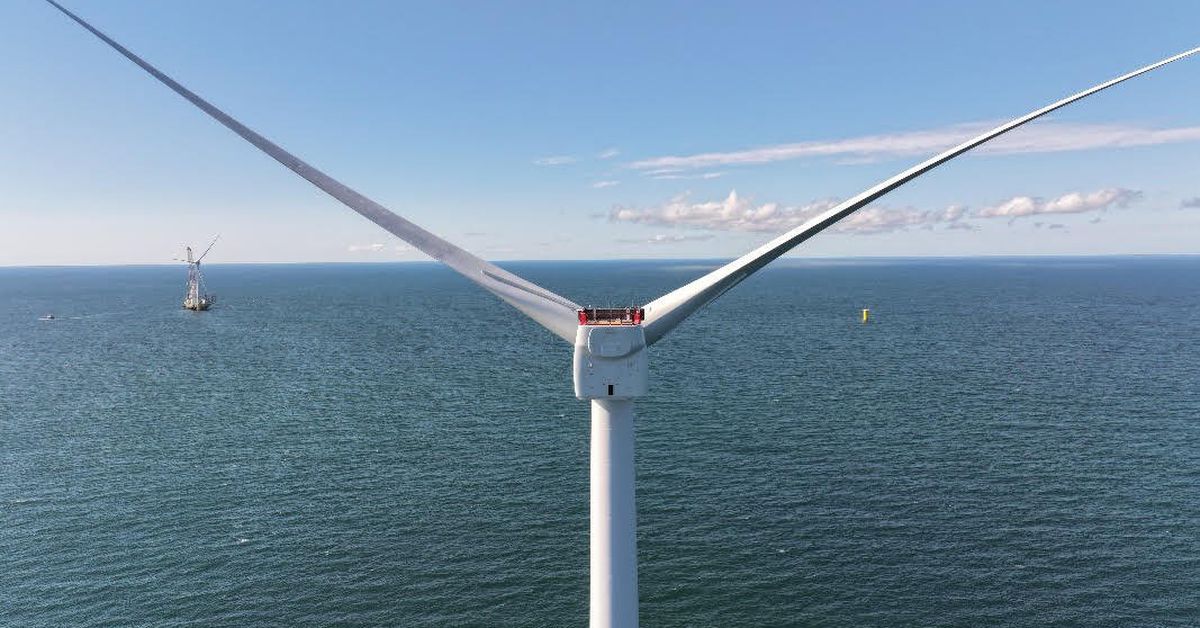
The United States has officially activated its first commercial-scale offshore wind farm, Vineyard Wind 1, contributing power to the New England grid, marking a significant step towards President Biden's goal of 30,000MW from offshore wind by 2030. However, the industry faces significant challenges, as highlighted by the cancellation of the Empire Wind 2 project in New York due to economic pressures such as inflation, high interest rates, and supply chain issues. Despite policy incentives, the offshore wind sector is grappling with financial viability, threatening the pace of growth needed to meet clean energy targets.
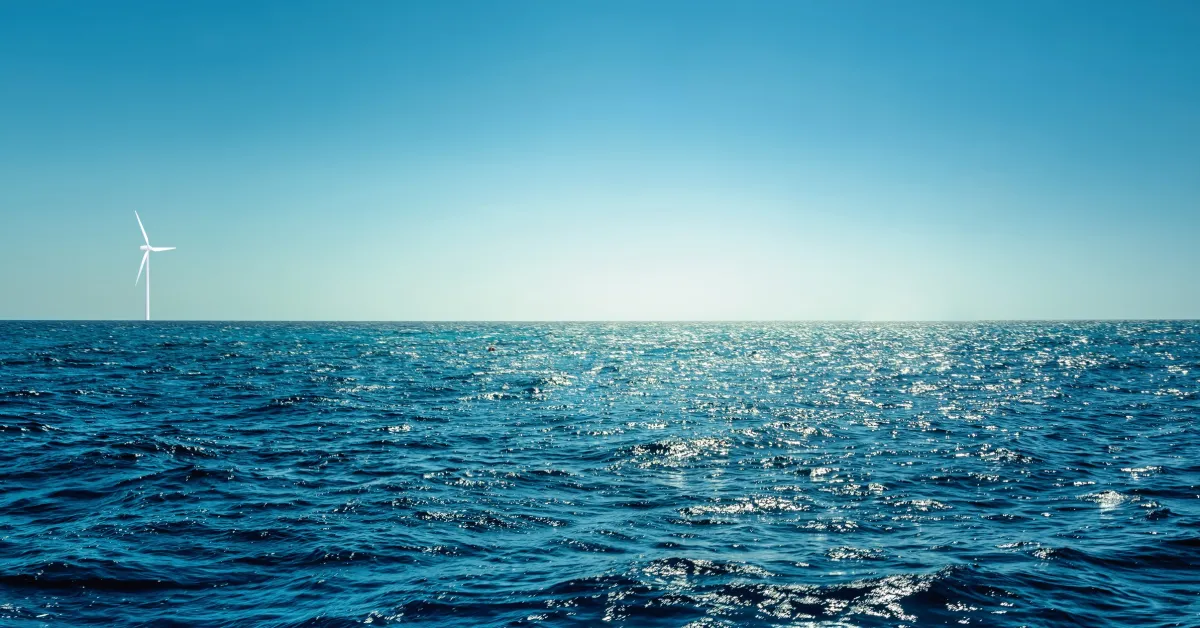
Vineyard Wind 1, the US's first major offshore wind farm, missed its initial deadline to deliver power by December 31 but successfully began supplying electricity to the Massachusetts grid with one turbine on January 2. The project, a joint venture between Avangrid and Copenhagen Infrastructure Partners, will eventually consist of 62 turbines, providing 806 MW of power—enough for over 400,000 homes. The first five turbines are expected to be fully operational in early 2024, with the entire farm reaching full capacity by mid-2024.
Vineyard Wind 1, the US's first major offshore wind farm, missed its initial deadline to deliver power to the Massachusetts grid by the end of December. Although the first turbine generated power, further testing is needed before it can transmit electricity to the grid. The project, a joint venture between Avangrid and Copenhagen Infrastructure Partners, will eventually consist of 62 turbines providing 806 MW of power, enough for over 400,000 homes and businesses. Full power potential is expected by mid-2024.