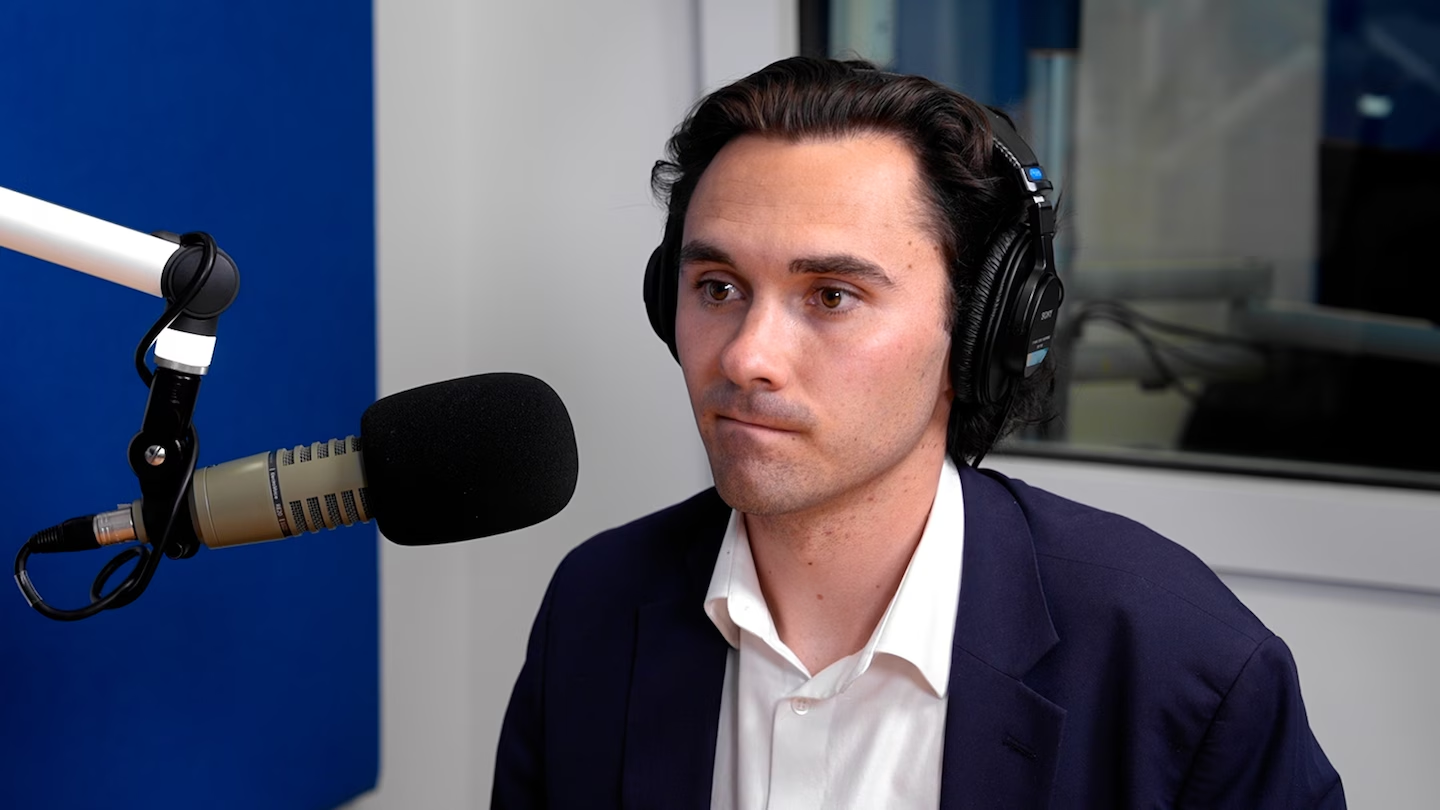
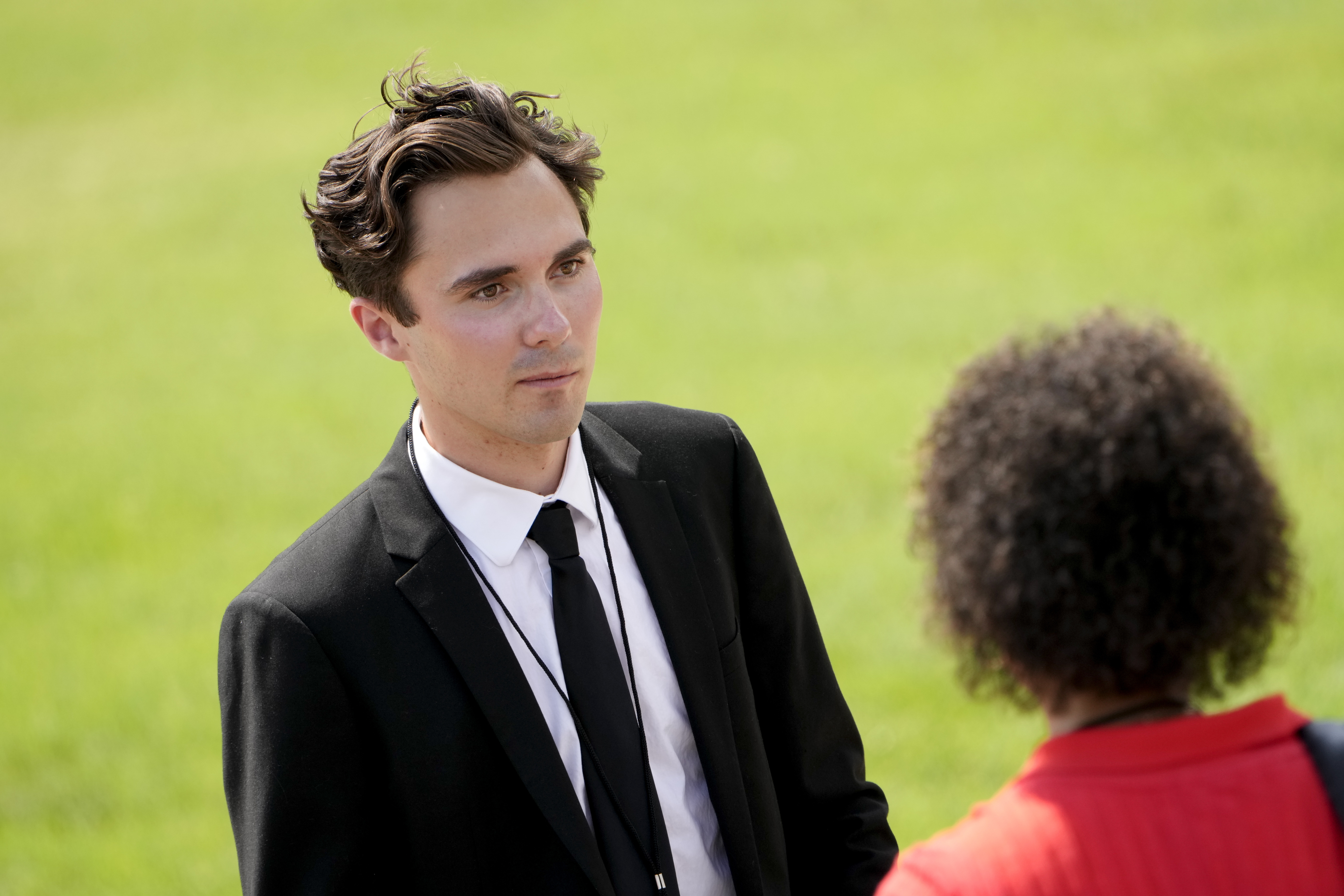
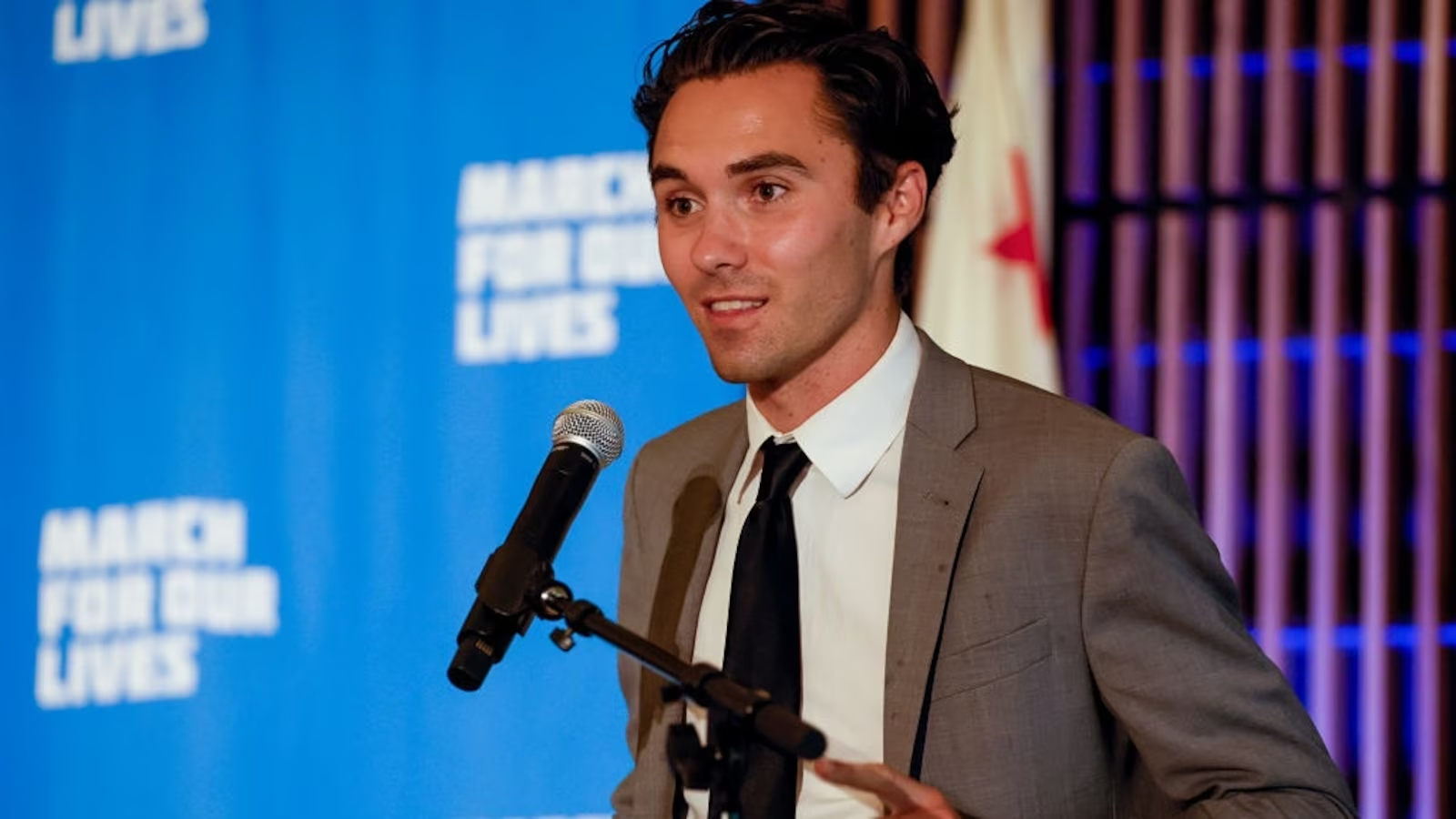
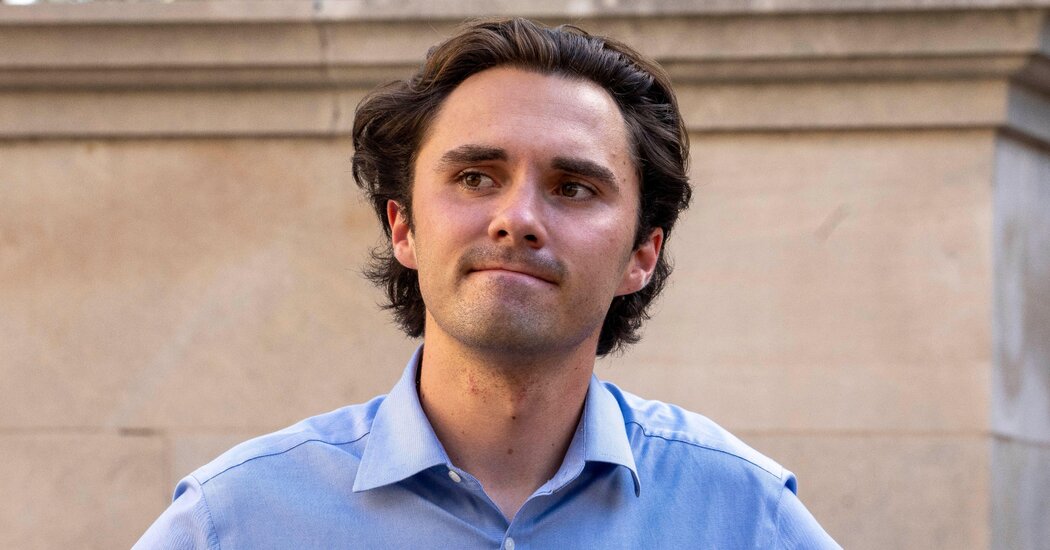
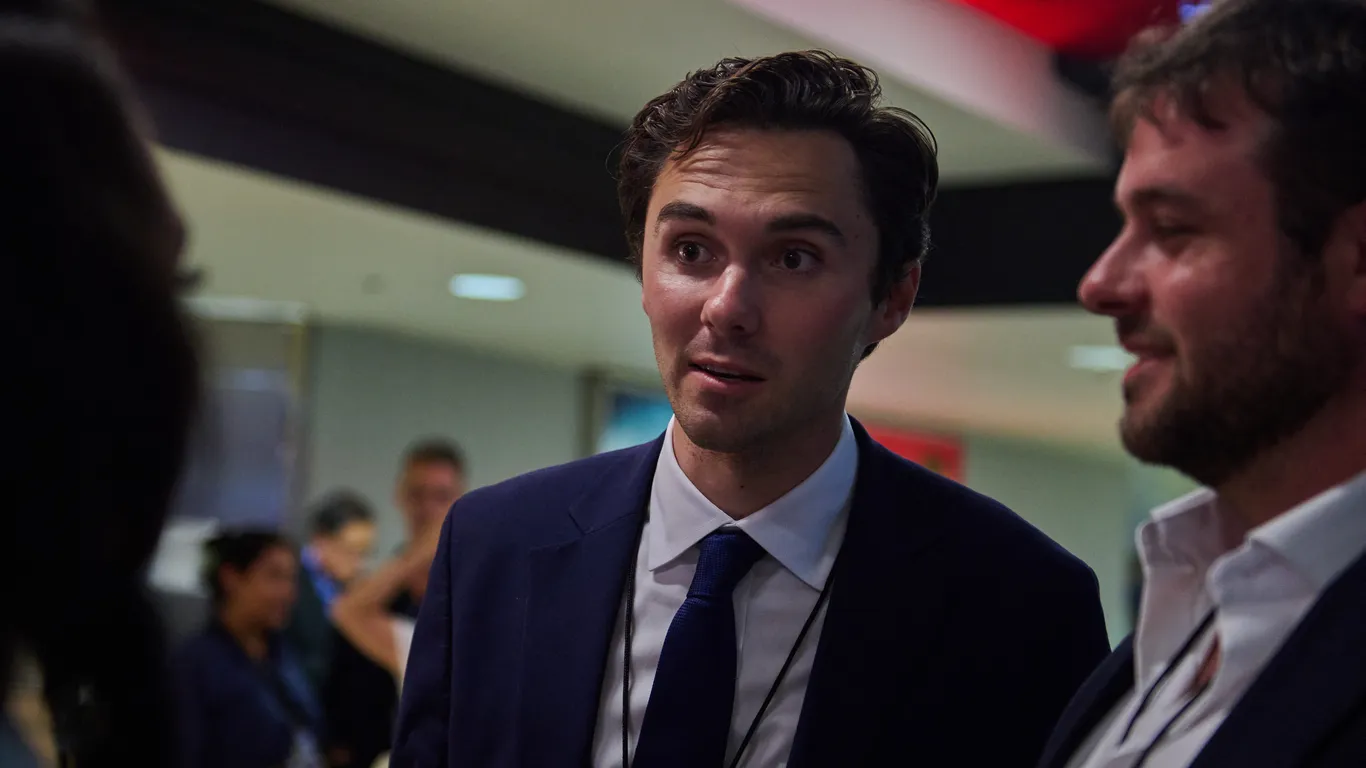
David Hogg is stepping down as DNC vice chair after internal party conflicts and a vote that questioned his election process, amid ongoing disputes over his involvement in primaries and party rules.
David Hogg has decided not to run for re-election as DNC vice chair amid internal conflicts and a procedural dispute, shifting his focus to activism through his group Leaders We Deserve, which aims to challenge ineffective Democratic incumbents. The DNC will hold new elections for the vice chair positions, with Malcolm Kenyatta running unopposed for the male role.
David Hogg resigned as a vice chair of the Democratic National Committee due to fundamental disagreements over the role, choosing to focus on his advocacy group, Leaders We Deserve, and support for aligned candidates, while the DNC continues its elections without him.
David Hogg, the young vice chair of the Democratic National Committee, announced he will step down after internal party conflicts over his plans to challenge sitting lawmakers in primaries and the party's decision to hold new elections for his position, amid criticism and internal disputes.
David Hogg will not run again for DNC vice chair after his and Malcolm Kenyatta's elections were vacated due to a technical complaint, amid tensions over his involvement in primary challenges against incumbent Democrats and his role as a party official.
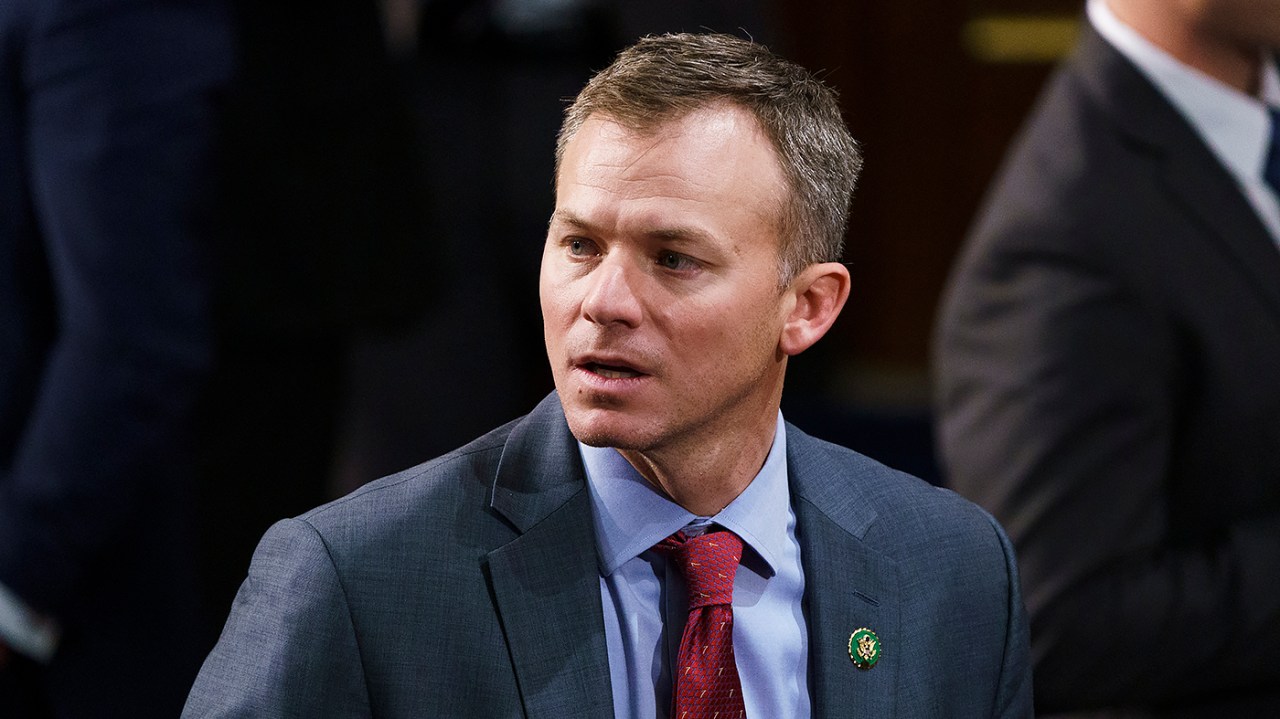
Rep. Blake Moore (R-Utah) has been elected as the vice chair of the House Republican Conference, replacing Speaker Mike Johnson (R-La.). Moore, a second-term lawmaker, is a member of the House Ways and Means Committee and the House Budget Committee. He is also the vice chair of the Republican Governance Group. Moore beat out six other candidates for the position, including two first-term lawmakers and three women. The vice chair position is a junior leadership role responsible for assisting with party operations and has a seat on the House GOP Steering Committee.