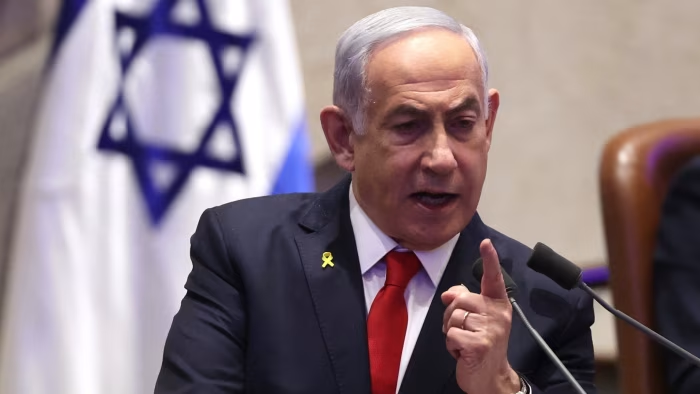
Israeli Prime Minister Benjamin Netanyahu confirmed that Israel targeted a specific component of Iran's nuclear program in October, despite US requests to limit retaliatory strikes. The attack also destroyed parts of Iran's S-300 air defense system. Netanyahu's actions, which defied US advice, are part of ongoing tensions between Israel and Iran, with the Middle East on the brink of broader conflict. The strikes come amid US efforts to broker a ceasefire between Israel and Hizbollah in Lebanon, where Israeli airstrikes have intensified.

Bangladesh Prime Minister Sheikh Hasina is poised to continue her tenure after an election boycotted by the main opposition, raising concerns about the country's democratic integrity. The US and other Western nations face the dilemma of responding to these potential democratic shortcomings, which could inadvertently drive Bangladesh closer to China. The opposition, led by the Bangladesh Nationalist Party, has opted out of the polls, citing fears of electoral manipulation and calling for Hasina's resignation in favor of a neutral caretaker government.
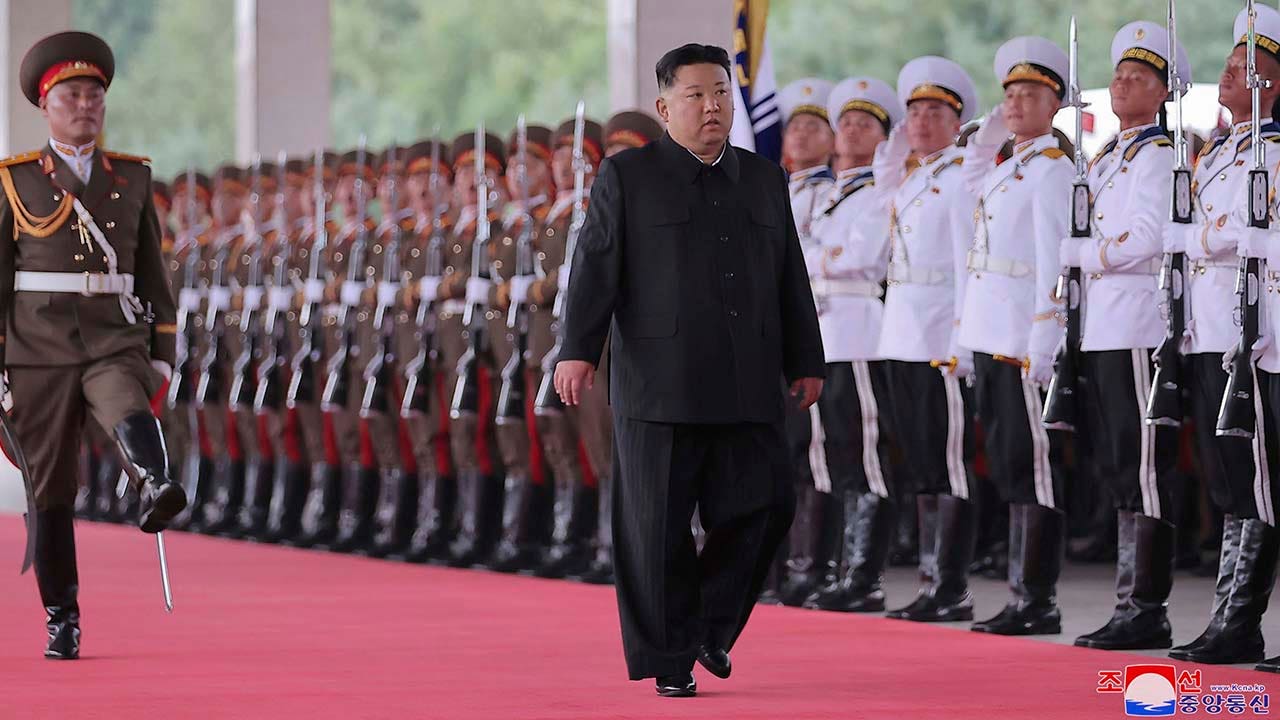
North Korean leader Kim Jong Un has instructed his military to prepare to use their most powerful means to annihilate South Korea and the U.S. if provoked into war. This statement follows a series of aggressive actions and threats, including missile launches and the development of nuclear materials and military satellites. Kim's rhetoric emphasizes North Korea's aim for an "overwhelming war response capability" and comes amid increased cooperation with Russia and China. The announcement aligns with North Korea's intensified military activities throughout 2023 and its leader's focus on strengthening the country's defense capabilities.