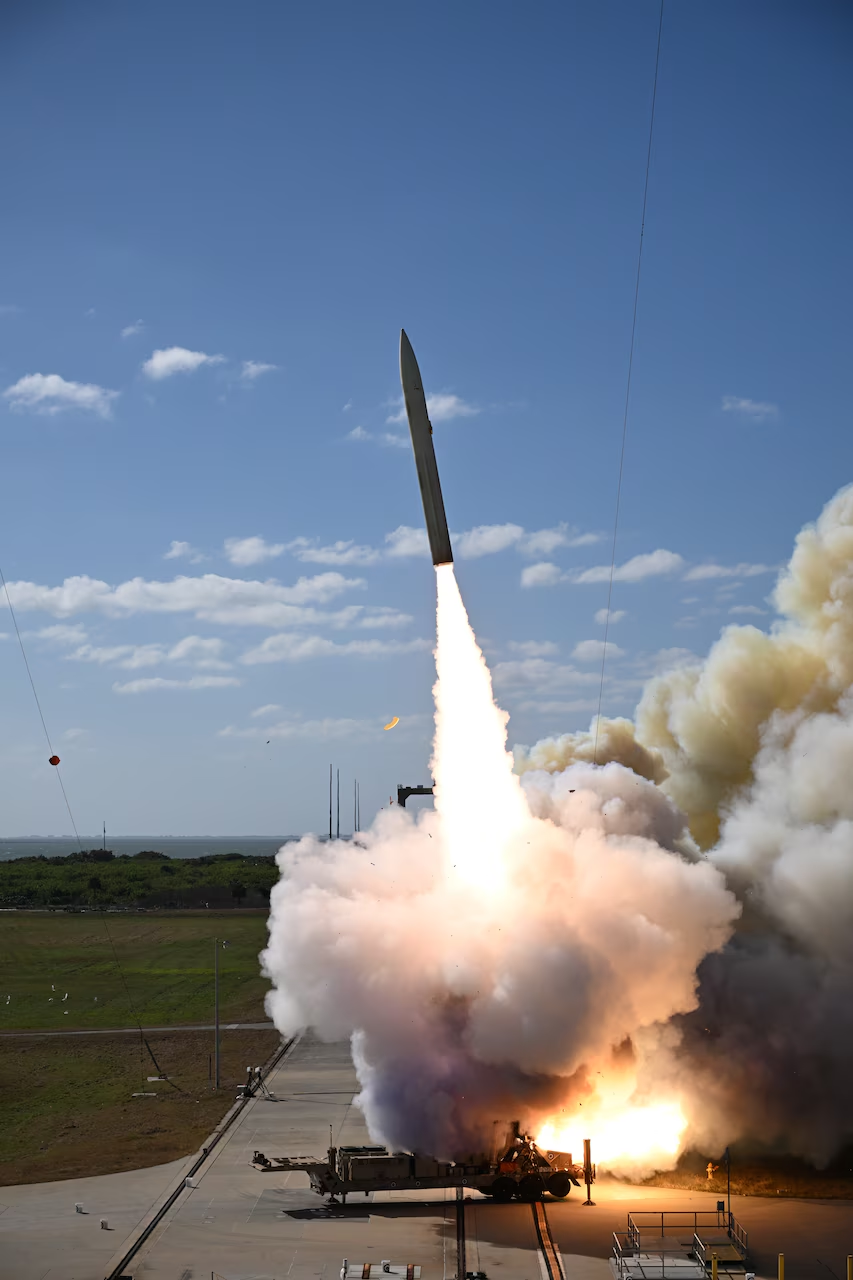
The U.S. Army and Navy successfully conducted an end-to-end flight test of a conventional hypersonic missile at Cape Canaveral, marking a significant milestone in the development of advanced weapon systems. This test, the second successful one this year, involved the Long-Range Hypersonic Weapon system and demonstrated the missile's capabilities, including speed, range, and maneuverability. The collaboration between the Army and Navy aims to rapidly field land and sea variants of the hypersonic weapon, supporting the National Defense Strategy and enhancing joint warfighting capabilities.
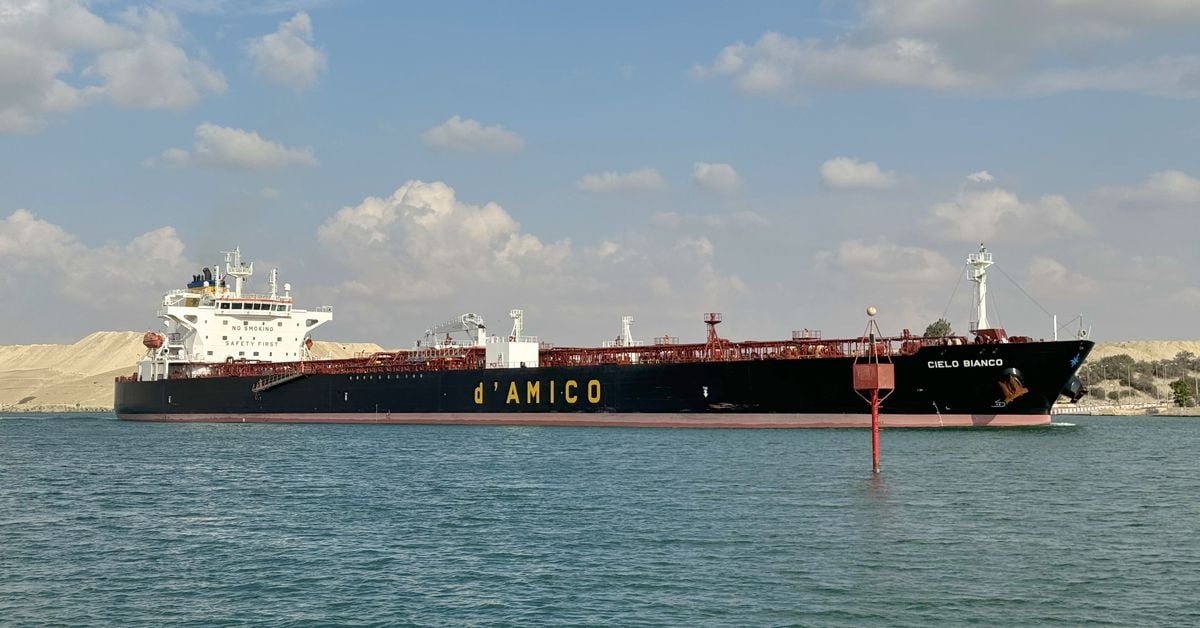
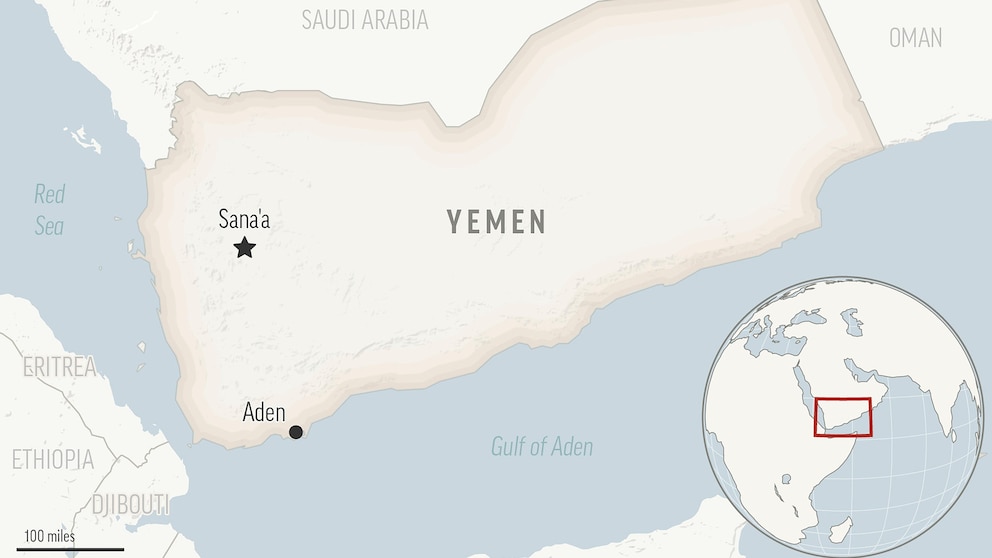
Houthi rebels in Yemen have escalated their attacks on commercial shipping in the Red Sea, posing a significant threat to the vital trade route through the Suez Canal and increasing tensions in the region. Despite the presence of a US-led coalition, the Houthis, with Iranian support, continue to challenge maritime security, leading to disruptions in global shipping and higher costs for companies. The US and its partners face limited options to effectively deter these attacks without risking broader conflict with Iran. The situation underscores the vulnerability of international trade to regional conflicts and the challenges of maintaining security in key maritime corridors.
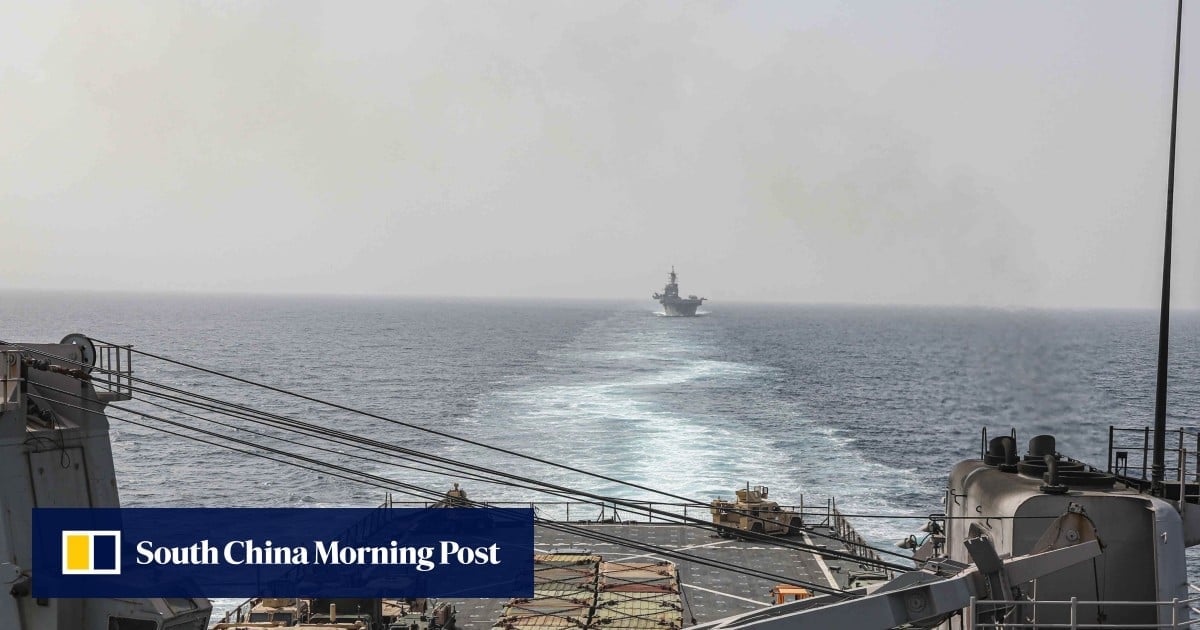
The Houthi militia in Yemen launched an armed unmanned surface vessel (USV) in the Red Sea, which came close to U.S. Navy and commercial ships before detonating. This incident occurred shortly after the U.S. and allied nations issued a final warning to the Houthis to stop such attacks or face military action. The USVs are believed to be assembled in Yemen with Iranian-made components. The U.S. has accused Iran of supplying the Houthis with advanced weapons and support for attacks on shipping lanes. An international coalition has warned of consequences if the Houthis' aggression continues, and the U.S. has initiated Operation Prosperity Guardian to protect commercial shipping in the region.
A Houthi drone boat loaded with explosives detonated in the Red Sea without causing damage or casualties, following a joint statement by 12 countries, including the US, warning of consequences if Houthi attacks did not cease. The Iran-aligned Houthis have been targeting commercial vessels, disrupting international shipping and prompting some companies to reroute around Africa. The US-led Operation Prosperity Guardian, with contributions from 22 countries, has been defending against these threats, downing missiles and drones, and sinking hostile boats. The US has signaled a strong stance against further attacks, while the Houthis claim to target vessels linked to Israel. The situation has escalated tensions and called for a decisive response to maintain regional stability and the safety of international maritime routes.
The Houthi rebels launched an armed unmanned surface vessel (USV) towards U.S. Navy and commercial ships in the Red Sea, which detonated a few miles away, following a "final warning" from the White House and allies to stop such attacks. This incident marks the first use of a USV by the Houthis since the Israel-Hamas conflict, although they have a history of using such tactics. The USVs are believed to be assembled in Yemen with Iranian components. In response to ongoing Houthi aggression, the U.S. initiated Operation Prosperity Guardian to protect commercial shipping through the Bab el-Mandeb Strait, with support from international partners. Despite the operation, the Houthis have persisted in their attacks, risking potential targeted military action.
The Houthi rebels have launched an unmanned surface drone (USV) attack against commercial shipping lanes in the Red Sea, marking the 25th such incident since November 18th. The USV was intended to cause harm but detonated without damaging any vessels or injuring crew members. The US has responded by forming a multinational coalition, Operation Prosperity Guardian, to protect these crucial shipping lanes. The coalition, now consisting of 22 countries, has intercepted several Houthi attacks. Despite the increased maritime security presence, the Houthis' actions continue to pose a threat to international shipping and have wider implications for the global economy.
Yemen's Houthi rebels launched an armed unmanned surface vessel (USV) targeting U.S. Navy and commercial ships in the Red Sea, shortly after receiving a "final warning" from the White House and allied nations to stop such attacks. The USV got close to the vessels before detonating, marking a continued threat despite the defensive Operation Prosperity Guardian aimed at protecting maritime traffic. The U.S. and partners have warned of potential military action if the Houthi assaults persist.
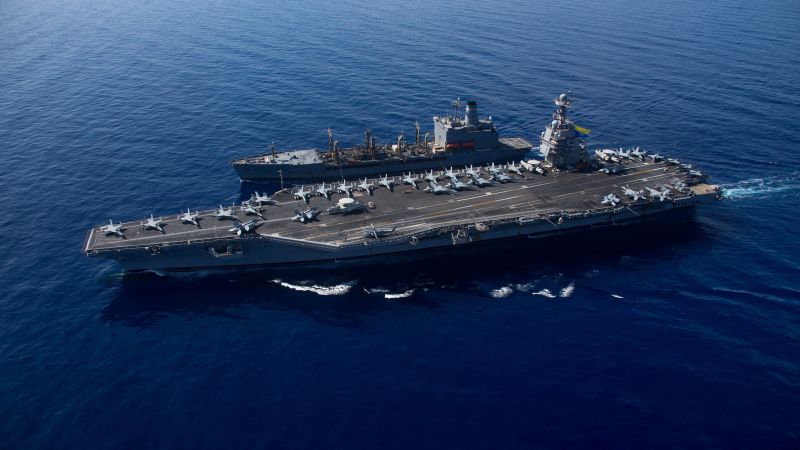
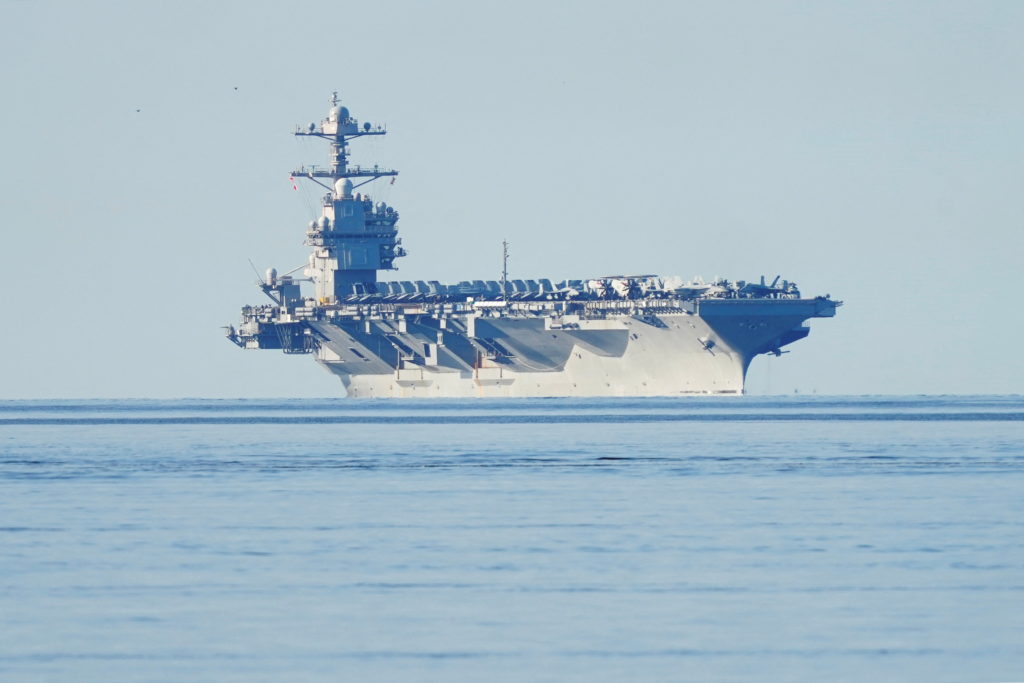
The USS Gerald R. Ford aircraft carrier strike group is returning to Norfolk, Virginia, after an eight-month deployment in the Eastern Mediterranean Sea, prompted by the Israel-Hamas war. The U.S. 6th Fleet announced that the amphibious assault ship Bataan and other vessels will replace the Ford's presence in the region. The Ford's deployment, which included accompanying destroyers, was part of a U.S. effort to maintain a strategic military presence near Israel and to intercept threats in the Red Sea, with the Pentagon extending the deployment three times due to regional instability. The U.S. is also forming a multinational task force to protect civilian ships in the Red Sea from attacks believed to be enabled by Iran.
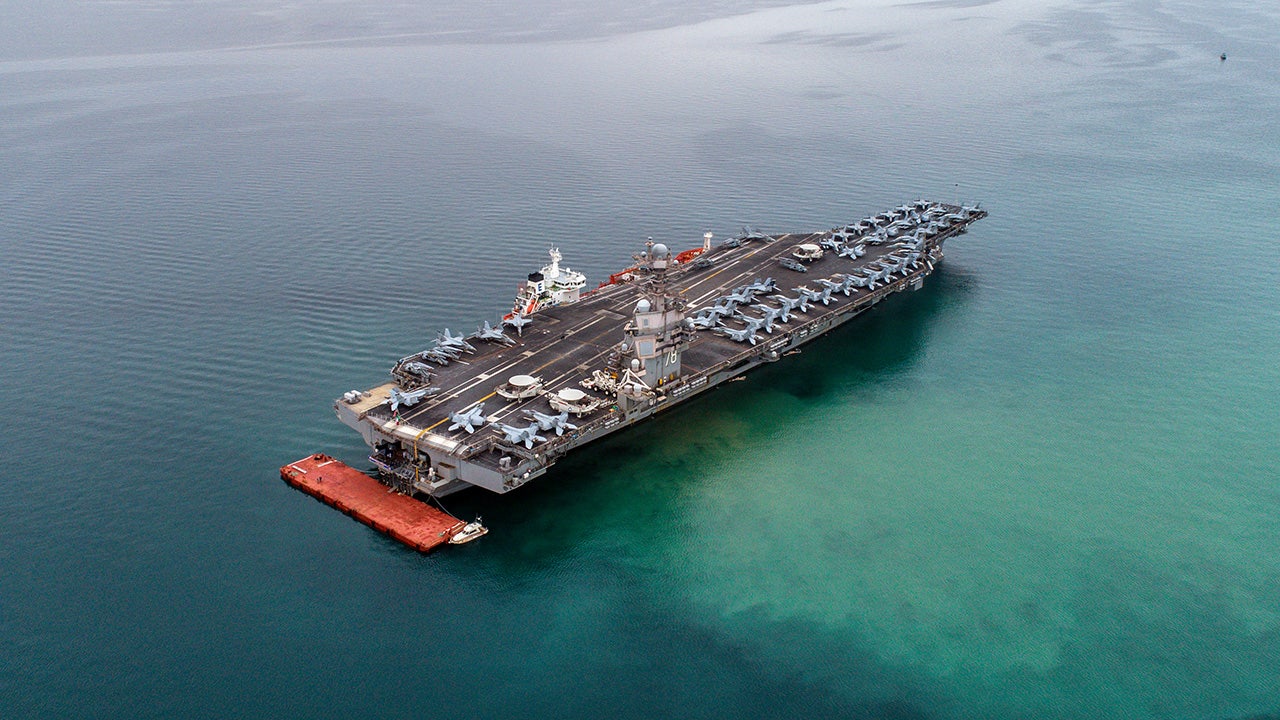
The USS Gerald R. Ford, the US Navy's newest and largest aircraft carrier, is returning to its homeport in Norfolk, Virginia, after an extended deployment in the Mediterranean Sea following Hamas' attack on Israel. The carrier's presence aimed to enhance US regional deterrence and defense posture. Despite its departure, the US maintains a strong naval presence in the region, with the USS Eisenhower remaining, along with other warships and the initiation of Operation Prosperity Guardian to improve maritime security in the southern Red Sea. The US Navy has been actively engaged in defending against Houthi attacks on commercial shipping, including a recent incident where US helicopters sank three Houthi boats in self-defense.
The USS Gerald R. Ford aircraft carrier strike group is returning to Norfolk, Virginia, after being deployed to the Eastern Mediterranean Sea in response to the Oct. 7 Hamas-led attack on Israel. The strike group, which includes various support and attack vessels, played a defensive role in the region, intercepting ballistic missiles and attack drones. Despite the redeployment, the U.S. military will maintain a significant presence in the Middle East and Mediterranean, with other naval groups remaining active in the area to ensure security amid ongoing threats, such as the recent Houthi attacks on commercial shipping in the Red Sea.
U.S. Navy helicopters engaged and killed several Houthi rebels in the Red Sea after the rebels attacked the Singapore-flagged cargo ship Maersk Hangzhou. The USS Gravely destroyer and helicopters from the USS Dwight D. Eisenhower aircraft carrier responded to the attack, which included missile strikes and an attempted boarding of the ship. The U.S. Central Command reported this as the 23rd illegal attack by the Houthis on international shipping since November. The White House has emphasized self-defense actions to protect shipping interests in the region, while Maersk has temporarily suspended Red Sea transits. The incident is part of a broader conflict involving Houthi attacks linked to the war in Gaza and supported by Iran.
The USS Gerald R. Ford aircraft carrier is set to return home after an extended deployment in the Eastern Mediterranean, where it provided protection for Israel following attacks by Hamas. It will be replaced by the USS Bataan amphibious assault ship and its accompanying warships. The Ford's deployment included intercepting missiles and drones from Yemen and supporting commercial shipping against Houthi attacks. The USS Dwight D. Eisenhower carrier has also been active in the region, engaging hostile boats threatening commercial vessels. The incoming ships carry a significant Marine Expeditionary Unit, enhancing the U.S. military's capability in the region.
The USS Gerald R. Ford aircraft carrier, after an extended deployment in the Eastern Mediterranean providing defense for Israel, is set to return home. It will be replaced by the USS Bataan amphibious assault ship and its accompanying warships. The Ford's deployment included intercepting missiles and drones from Yemen and supporting commercial shipping against Houthi attacks. The U.S. shows continued commitment to the region's security with a two-carrier presence and the upcoming deployment of the Bataan group, equipped with Marines and capable of supporting a range of missions.
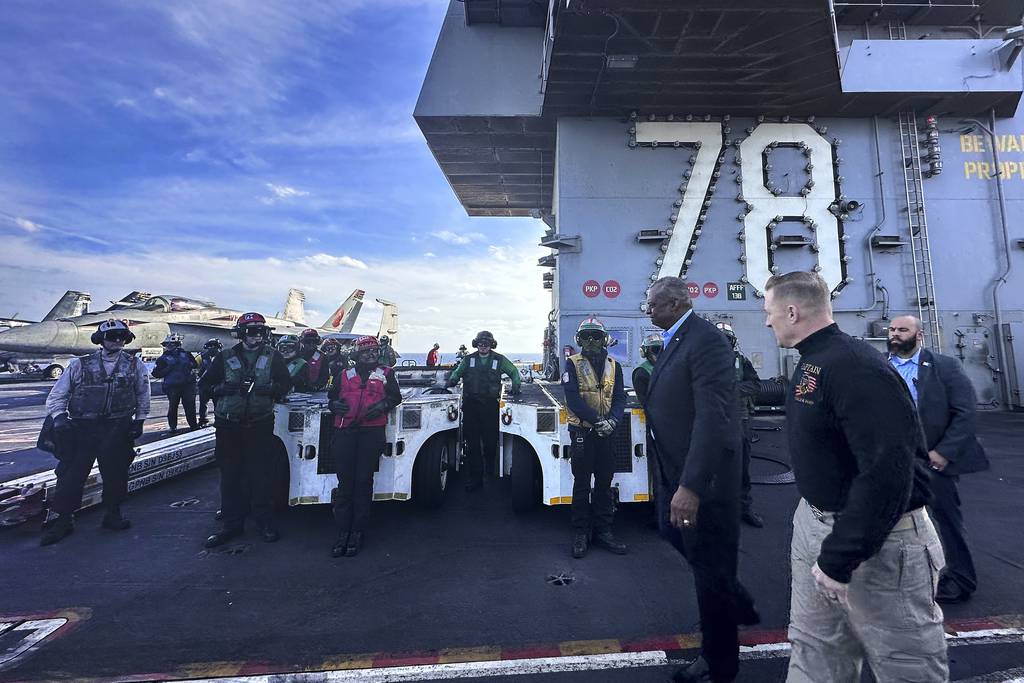
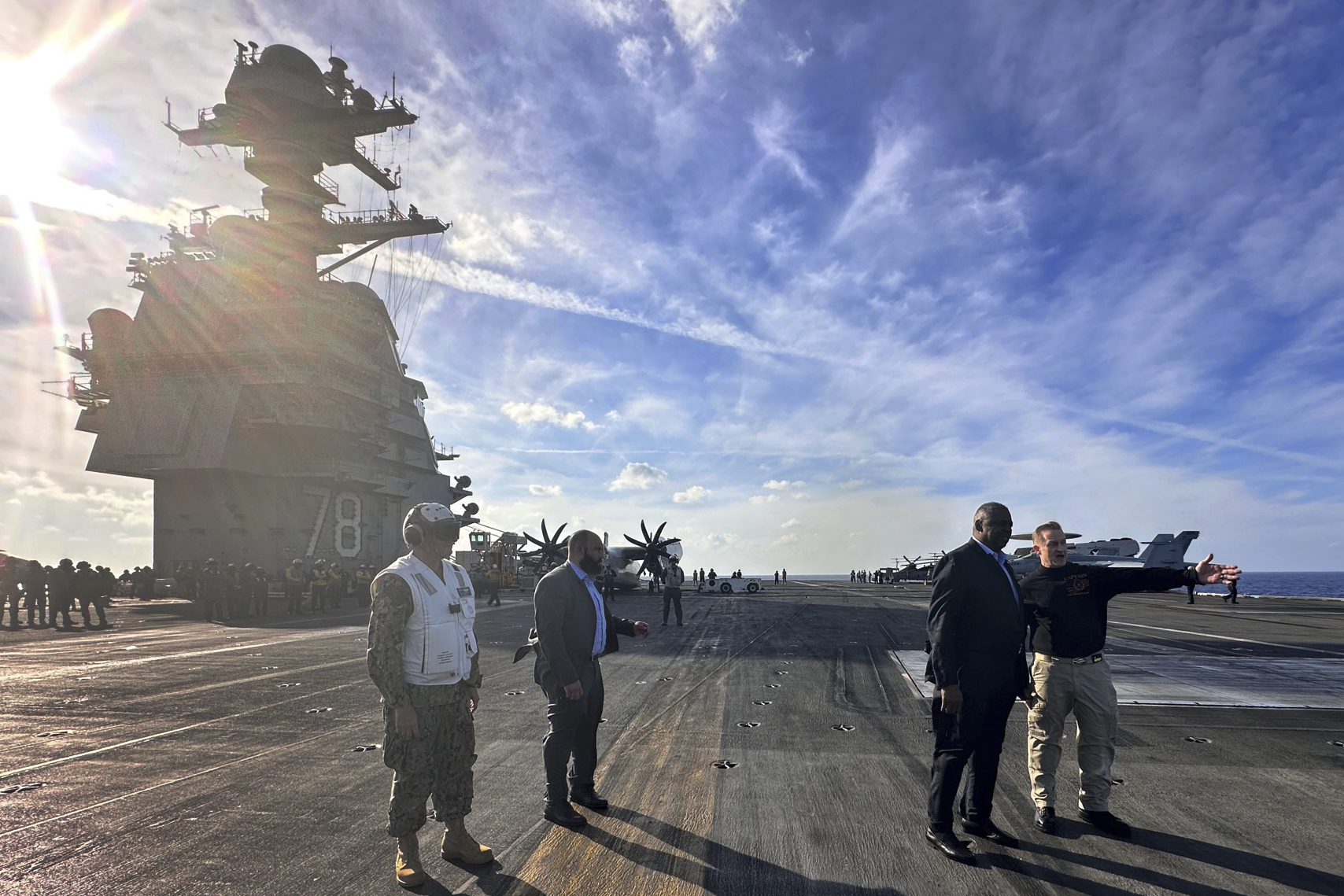
The USS Gerald R. Ford aircraft carrier, after a deployment aimed at preventing the Israel-Hamas conflict from escalating, is set to return home. It will be replaced by the USS Bataan and its accompanying warships. During its deployment, the Ford and its strike group operated in the Eastern Mediterranean and intercepted ballistic missiles and drones from Yemen. Defense Secretary Lloyd Austin had visited the carrier, highlighting the strategic importance of the mission. The USS Eisenhower also played a role in protecting commercial shipping in the region, engaging Houthi boats attacking a container ship. The incoming warships carry significant Marine forces, enhancing the U.S. military's capability in the region.
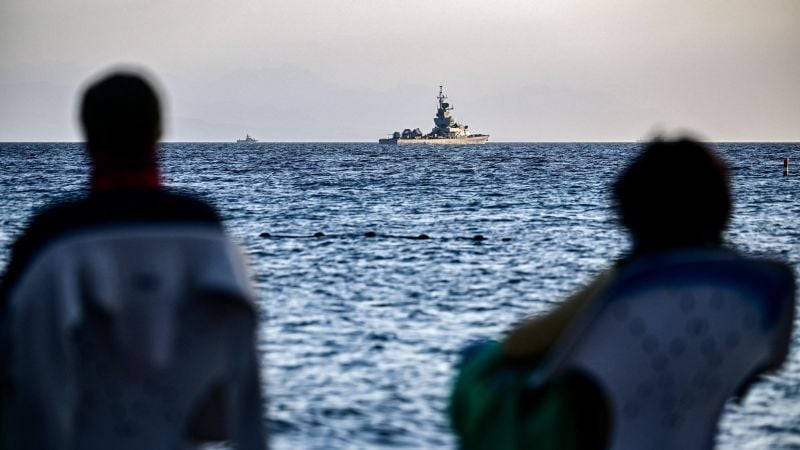
Iran has deployed its Alborz warship to the Red Sea, coinciding with the departure of the USS Gerald R. Ford aircraft carrier from the Mediterranean, signaling a strategic shift in naval presence in the region. Iranian media, particularly the pro-Iran Al-Mayadeen, is closely monitoring these movements and the ongoing conflicts in the Middle East, including attacks by Iranian-backed groups. Despite recent losses, such as the killing of an IRGC officer in Syria, Iran's Foreign Ministry maintains a stance of resilience and highlights improving Iran-Egypt relations, which could impact regional dynamics, especially concerning Iran's support for Hamas in Gaza.