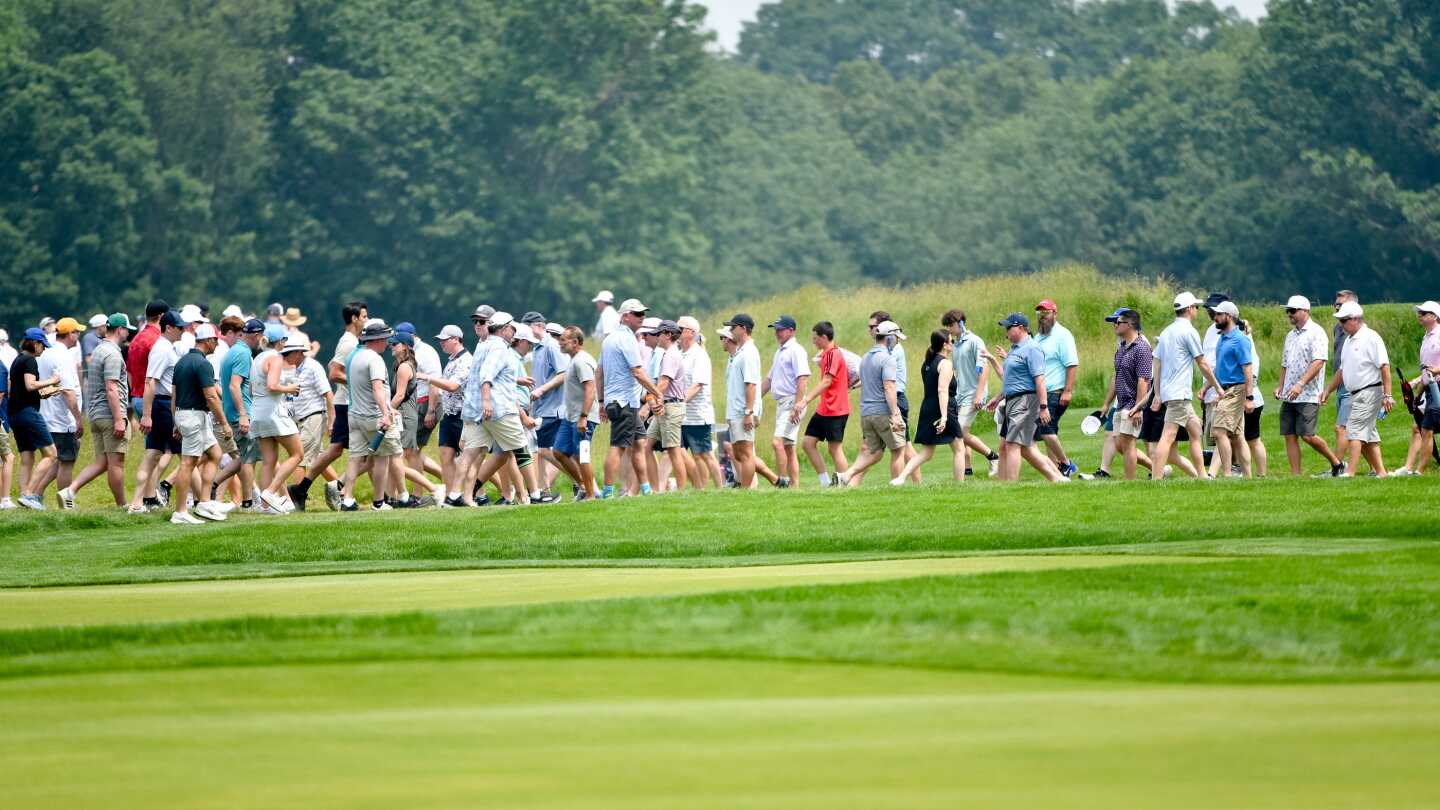
Due to heavy rain and saturated conditions at Oakmont, the USGA is offering refunds to ticketed fans who choose not to attend, while the course remains playable and on schedule for the continuation of the golf tournament.
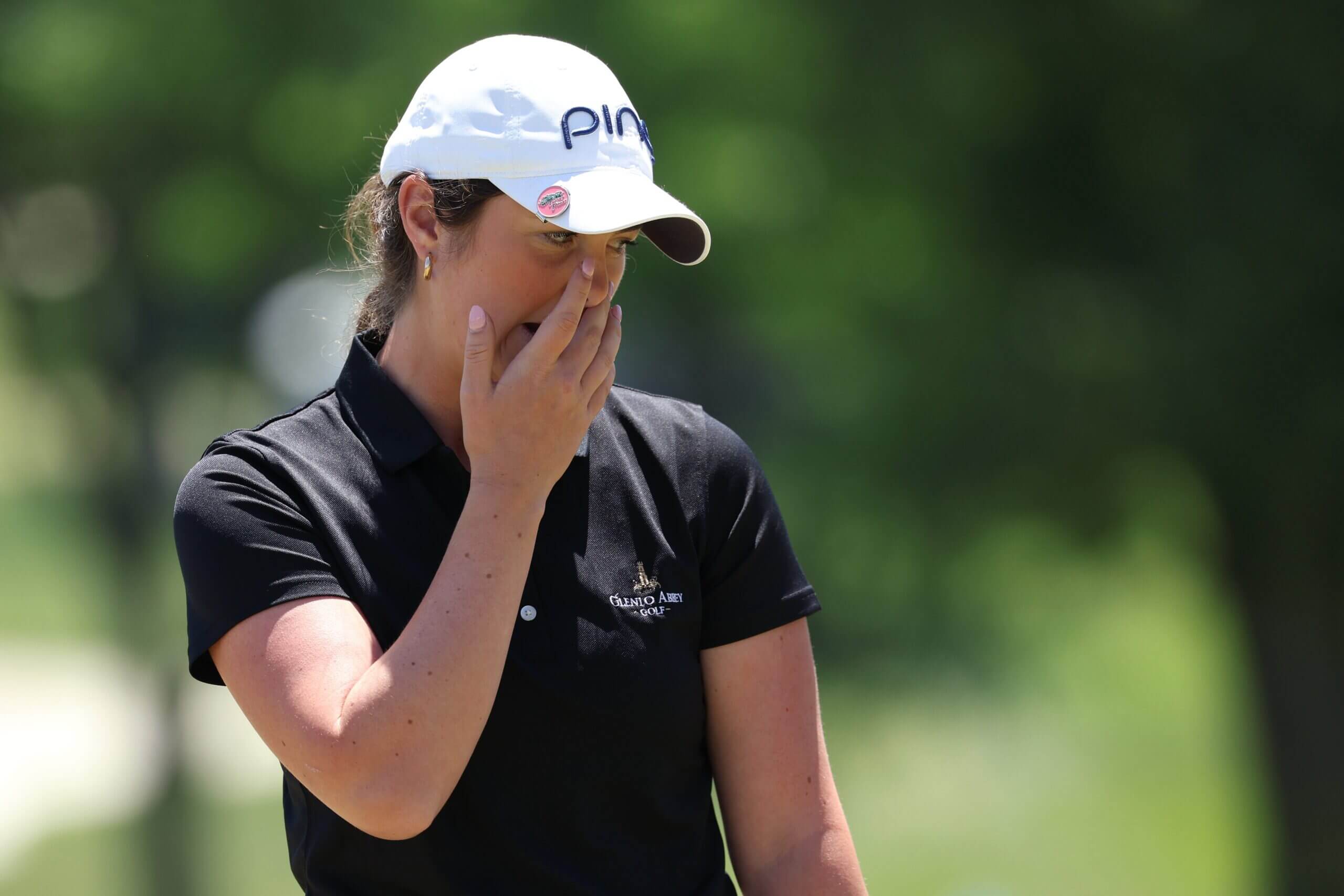
The LPGA and USGA have updated their gender policies, requiring players to be assigned female at birth or have transitioned before male puberty to compete in women's tournaments, starting in 2025. This decision, based on extensive research, aims to ensure competitive fairness while being inclusive of gender identities. The policy affects players like Hailey Davidson, who began transitioning in her 20s. The LPGA and USGA emphasize that the policy is science-based and aligns with similar policies in other sports.
The Memorial Tournament honored late golfer Grayson Murray, who died by suicide on May 25. Despite his passing, Murray remains in the Official World Golf Ranking, potentially affecting U.S. Open qualifications. The USGA has stated that Murray's spot will be returned to qualifying protocols, and he will be removed from the ranking criteria to ensure fair qualification for other players.
The U.S. Women's Open at Lancaster Country Club has proven to be an exceptionally tough test, with an 8-over-par cut line and only four players under par through two rounds. The challenging course setup, emphasizing the classic architectural elements of the William Flynn design, has led to high scores and numerous bogeys, double bogeys, and worse. The tournament has seen many top players miss the cut, highlighting the difficulty and fairness of the course. The USGA's approach to the setup has been praised for its execution, making the championship a true test of both mental and physical endurance.
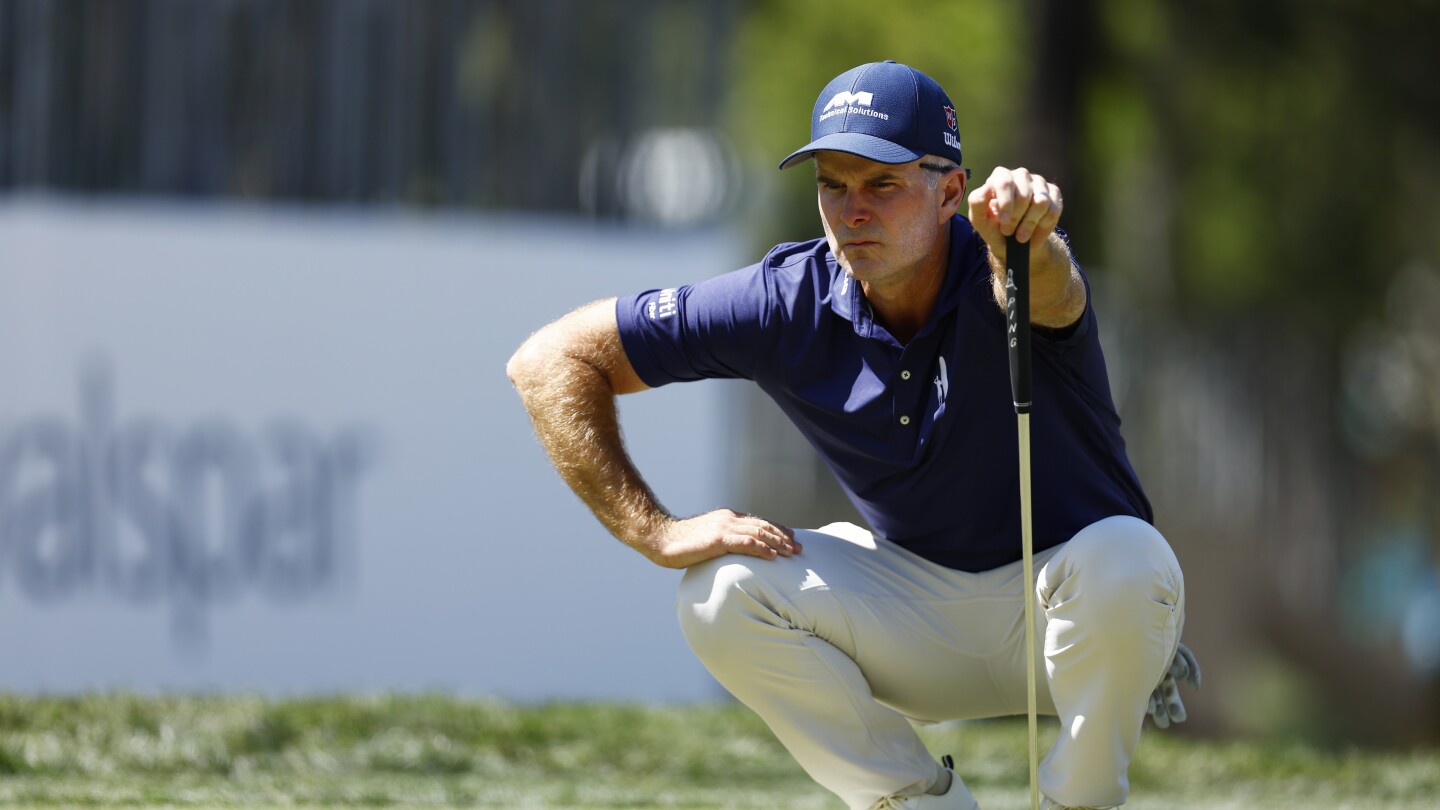
Kevin Streelman leads the Valspar Championship with a 7-under 64, utilizing a new USGA-approved ball marker for alignment, while Kevin Roy trails with a 65. Streelman's 10 consecutive one-putt greens and birdies on all par 5s propelled him to the lead, as he filed down the marker's spike to meet regulations. Other notable performances include Carl Yuan's 66 and Jordan Spieth's 69, with challenging conditions expected for the next round.
The USGA and R&A have announced plans to roll back the distance golf balls travel, starting in 2028, in an effort to combat the increasing distances that threaten the sport's long-term sustainability. Professional golfers will have to use conforming balls from 2028, while amateurs will have until 2030. The USGA claims that the impact on recreational golfers will be minimal, with the average male golfer losing 3 to 5 yards off the tee and the average female golfer losing 1 to 3 yards. The decision has received mixed reactions, with some pros expressing concern for recreational players and others wanting to maintain their own length off the tee. The organizations also emphasized the need to continue testing drivers to prevent excessive speed and distance growth.
The USGA and R&A have announced a golf ball rollback that will reduce driving distances on the PGA Tour by an estimated nine to 15 yards starting in 2028. The new Overall Distance Standard (ODS) will increase the swing speed requirement for testing and adjust launch angles and spin rates. The decision was based on research among top PGA Tour players, and the ruling bodies expect the longest hitters to see a reduction of 13-15 yards in driving distance. The new standard will be adopted for recreational play in 2030, with minimal impact on average driving distances.
Golf's ruling bodies, the USGA and R&A, have announced changes to golf ball testing to address the consistent gains in distance off the tee, which they believe are detrimental to the game. The new testing standards, effective from 2028 for tour and elite golf and 2030 for recreational golfers, involve a club swung at 125 mph, a spin rate of 2,200 rpm, and a launch angle of 11 degrees. The changes are expected to result in the ball going up to 15 yards shorter for the longest hitters, with shorter distances for average tour pros, female tour players, and recreational golfers. The PGA Tour and PGA of America have expressed concerns about the proposed changes, while some players, like Keegan Bradley, have criticized the decision.
The PGA Tour has informed the USGA and R&A that it does not support the proposed rollback of the golf ball, stating that it is not warranted and not in the best interest of the game. The proposed "Modified Local Rule" would give tours the option to require a golf ball that goes about 15 yards shorter for the biggest hitters, but the PGA Tour believes it would bring two sets of rules to golf and potentially cost elite players millions in endorsement money. The USGA is currently in the "Notice & Comment" period and appreciates the PGA Tour's feedback.
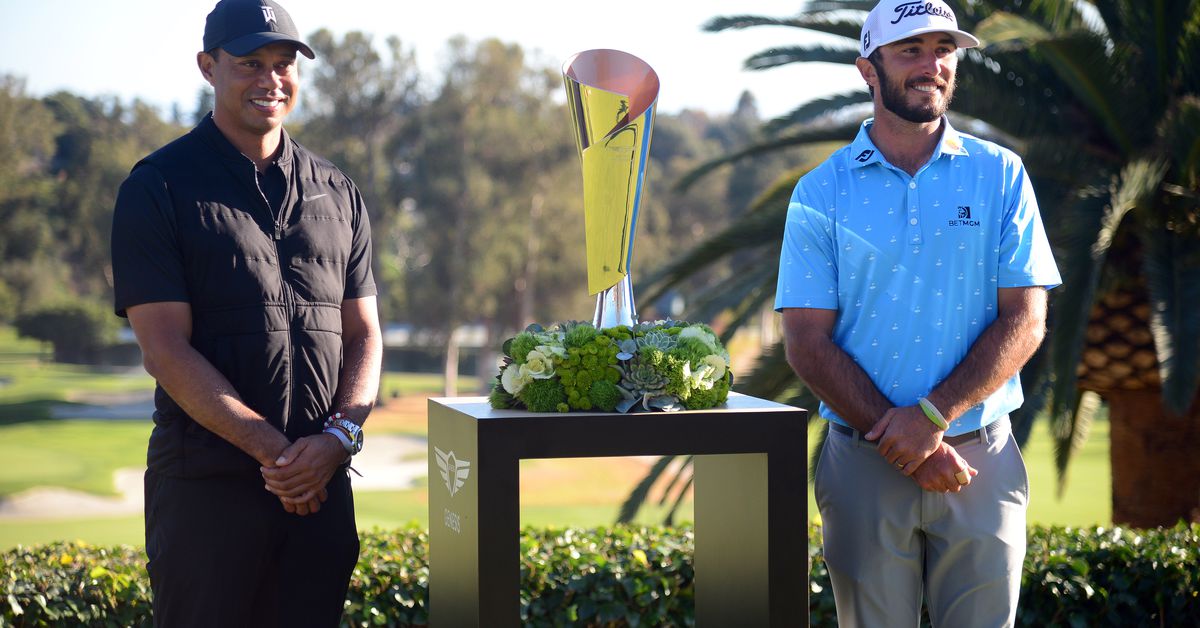
The USGA has announced that the 131st U.S. Open will take place at the Riviera Country Club in Pacific Palisades, California, on June 12-15, 2031. This will be the second time the club will host the U.S. Open, and it is also the site where Tiger Woods hosts the Genesis Invitational every February. Riviera has previously hosted four USGA Championships, two PGA Championships, and the 2012 NCAA Golf Championships. The 2031 U.S. Open will mark the 17th time a championship will be held in California and only the third in Los Angeles.
The United States Golf Association (USGA) is facing criticism over the suitability of LA Country Club as a venue for the US Open due to its exclusivity and history of discrimination. Golfers have also complained about the course set-up and scheduling, with some branding it "diabolical". Reports suggest that only a small number of tickets were made available to the general public, with the majority being corporate hospitality passes. The USGA has defended its ticketing policy, stating that it works with host sites to determine onsite access and availability of tickets.
Reigning champion Matt Fitzpatrick initially criticized the USGA for the lack of crowds and raucous environment at the U.S. Open, but later clarified that he was not criticizing the organization. Fitzpatrick was disappointed with the USGA's choice of venue and the limited number of tickets sold to the general public, leaving many feeling like this tournament has not felt like a typical U.S. Open. The USGA reportedly sold only 22,000 daily tickets, with 14,000 sold to suite, skybox, and other private-club type tickets, limiting the game to a select percentage of people who can afford the near $400 price tag.
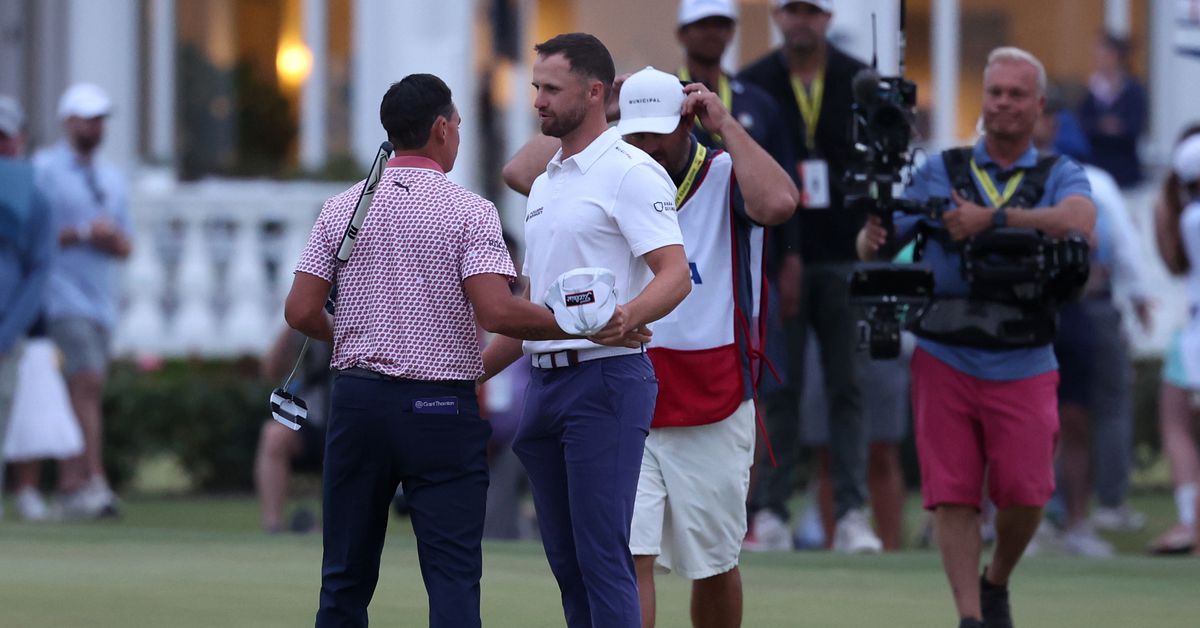
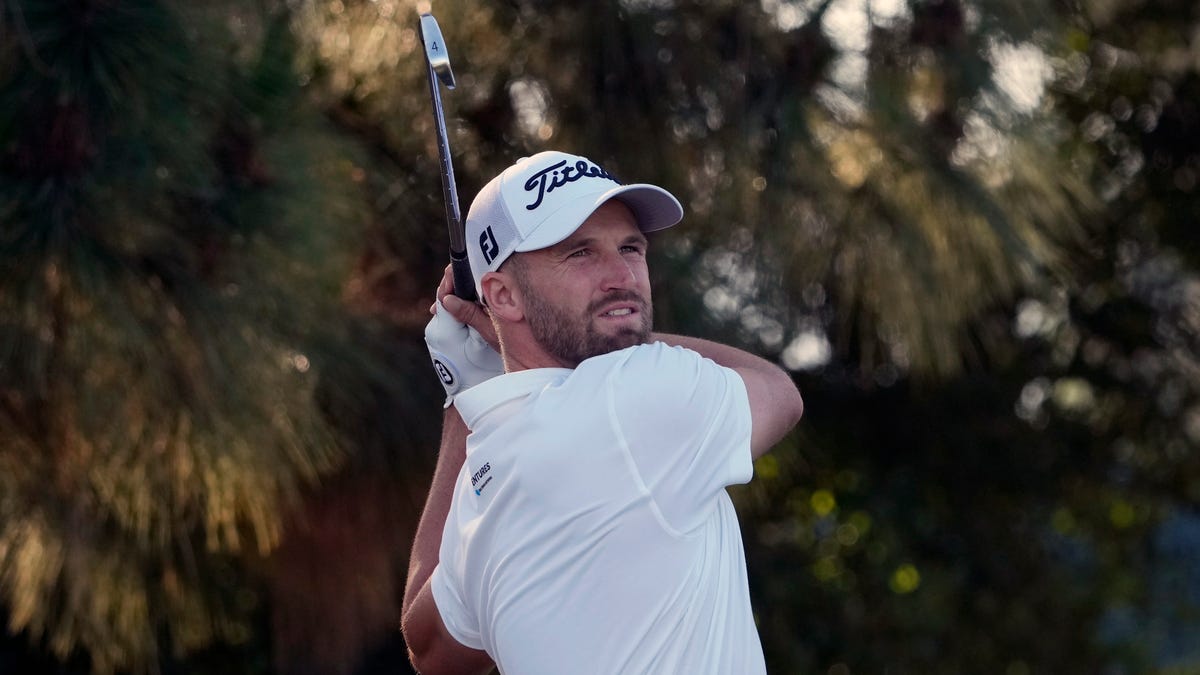
U.S. Open co-leader Wyndham Clark criticized the USGA for "twilight golf" after teeing off at 6:45 pm ET and finishing at approximately 11 pm ET, claiming that he and Rickie Fowler couldn't see on the last two holes, leading to bogeys. Clark suggested that they could have teed off two hours earlier to avoid the issue. The USGA has since moved up tee times for Sunday's final round. Clark and Fowler share the 54-hole lead at 10-under par, with Rory McIlroy one shot back.
U.S. Open co-leader Wyndham Clark criticized the USGA for late tee times that he said cost him and Rickie Fowler strokes during the third round. Clark blamed darkness on his making a bogey at No. 17 and Fowler making a bogey at No. 18. The USGA did not immediately respond to a request for comment about Clark’s remarks. Clark and Fowler head into the final round of the tournament Sunday sharing the lead at 10-under.
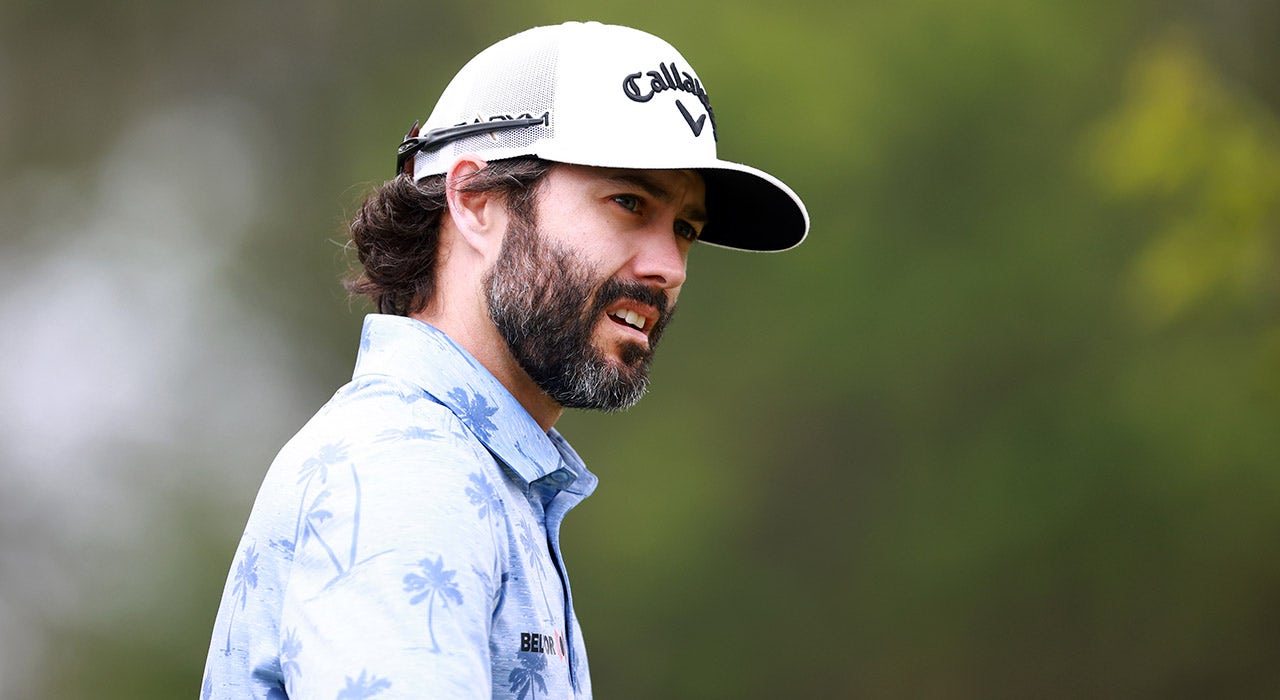
The USGA welcomed golfer Adam Hadwin to the US Open with a gift after he was mistakenly tackled by security at the RBC Canadian Open. The gift included a safety vest and two USGA hard hats, with a message above his locker assuring his safety and well-being. Hadwin thanked the USGA for keeping him safe and is ready for a great week at the US Open.