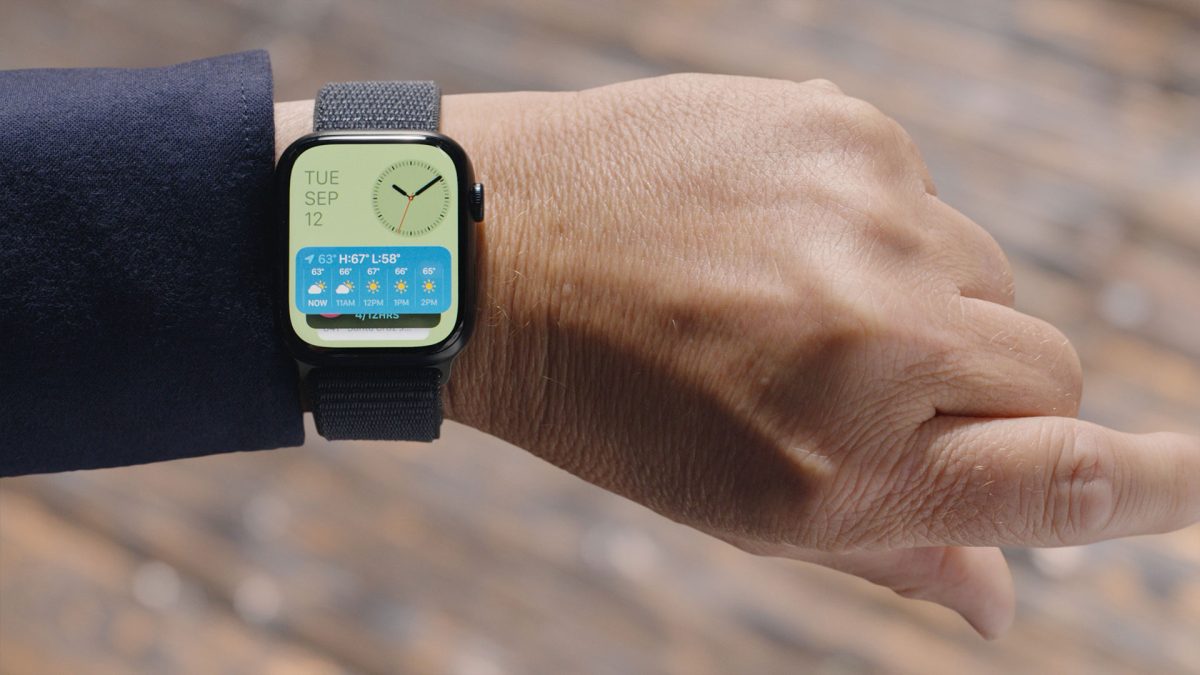
Apple Watch Series 9 and Apple Watch Ultra 2 now support a new double tap gesture with the release of watchOS 10.1. This feature allows users to control their Apple Watch using just one hand without touching the display. The double tap gesture enables users to perform various actions such as answering phone calls, viewing messages, pausing timers, playing music, and more. It is powered by the S9 SiP and the new 4-core Neural Engine, offering improved power efficiency and faster machine learning tasks. The feature is available all day with minimal impact on battery life and can be customized for specific functions.
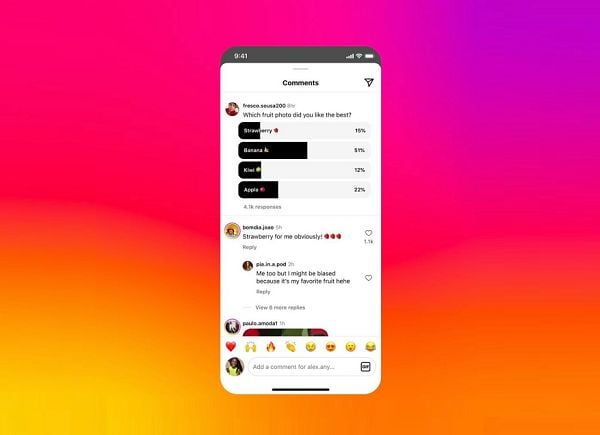
Instagram is testing the addition of polls in comment streams on feed posts and Reels, allowing users to add interactive polls within the comments. This feature has been in testing for the past six months and has proven to be popular in other apps. It provides an easy way for viewers to engage with content and for brands and creators to gather feedback and boost engagement rates. The option is currently available to selected users as a small test, with plans to roll it out to all users soon.
Apple has released the public beta of watchOS 10.1, which includes the new double tap gesture for the Apple Watch Series 9 and Apple Watch Ultra 2. This gesture allows users to control their device with just one hand, without having to touch the display. By double tapping, users can perform various tasks such as answering calls, snoozing alarms, viewing notifications, and more. The double tap gesture is powered by the faster Neural Engine on the new devices, which leverages data from the accelerometer, gyroscope, and optical heart sensor.
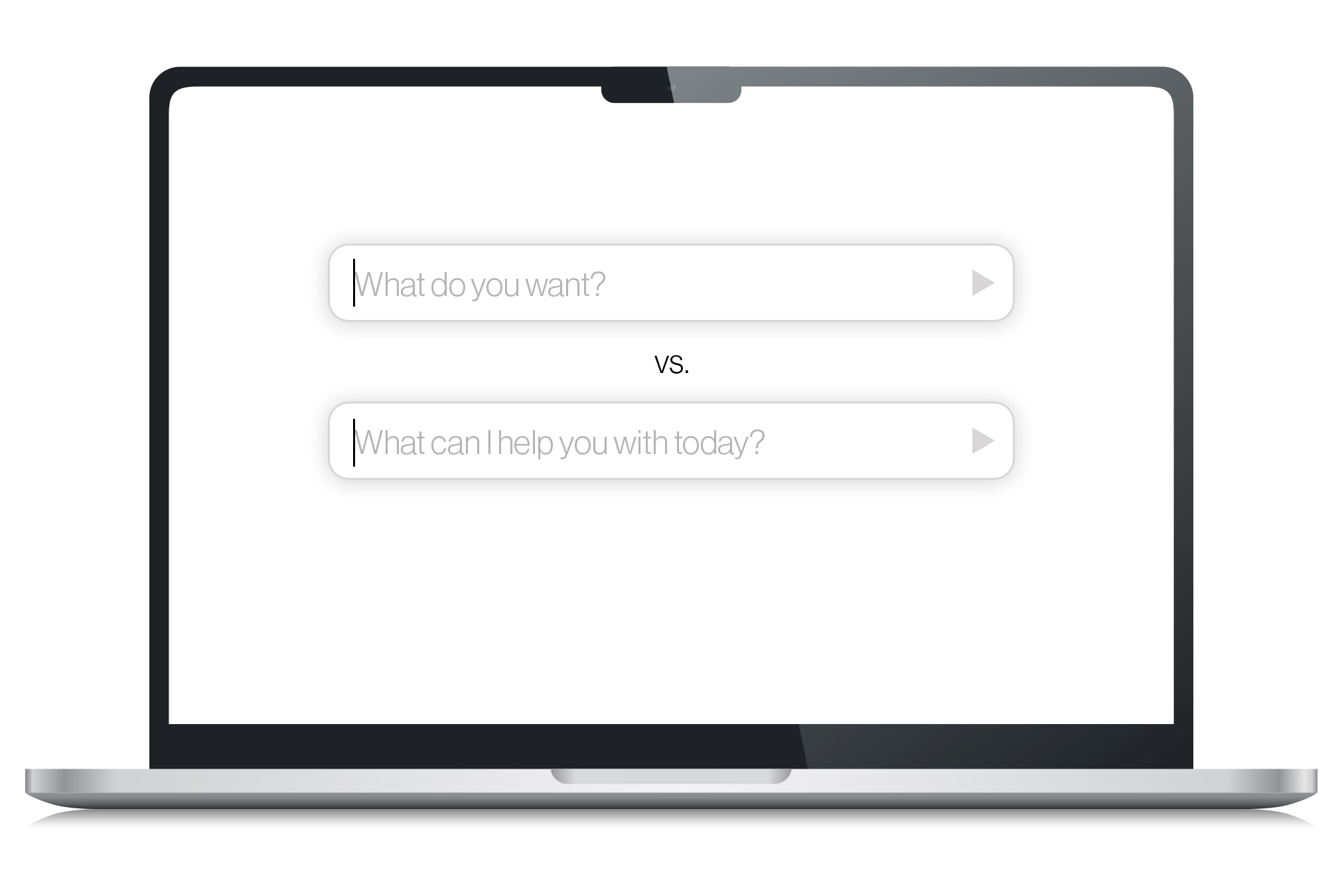
A study conducted by researchers from MIT and Arizona State University found that users' prior beliefs about an AI agent significantly influence their interactions and perception of its trustworthiness, empathy, and effectiveness. Priming users with different descriptions of the AI agent influenced their perception and communication with it, even though they were speaking to the same chatbot. Users who were told the AI agent was caring believed it was, and gave it higher performance ratings, while those who believed it was manipulative rated it lower. The study highlights the importance of how AI is presented to society and raises concerns about the potential for deception.
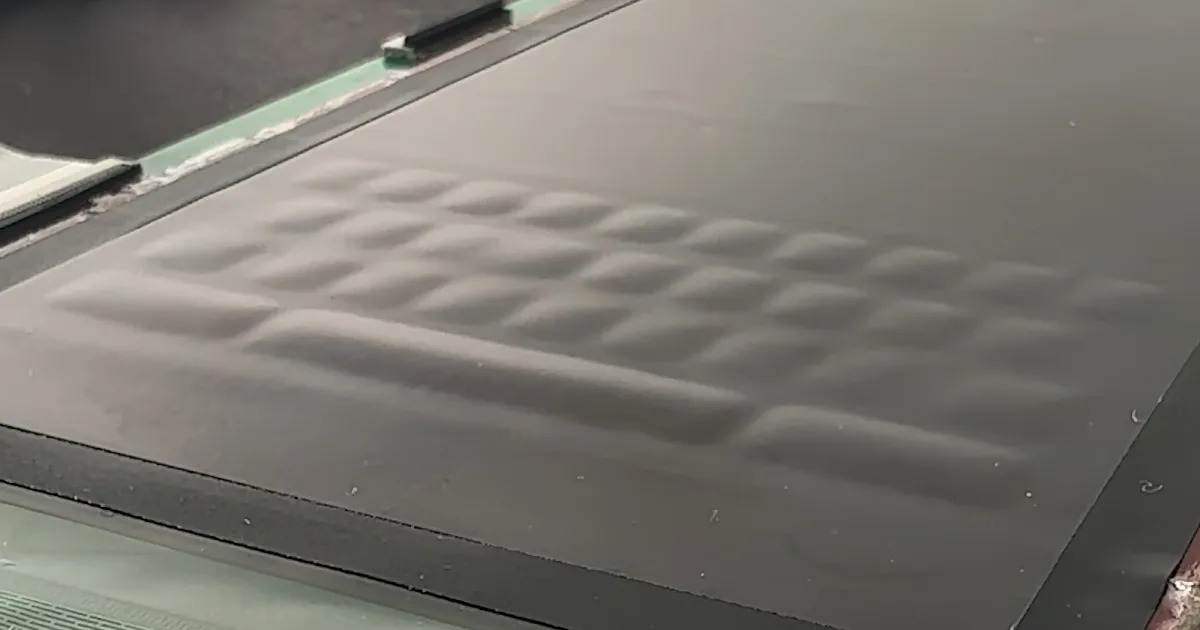
Researchers at Carnegie Mellon University's Future Interfaces Group have developed a display that can create protrusions on demand by inflating and deflating screen sections with fluid. The "Flat Panel Haptics" technology can be stacked under an OLED panel to create pop-up buttons, adding a new tactile dimension to activities like typing and gaming. The Embedded Electroosmotic Pumps (EEOPs) are arrays of fluid pumps on a thin actuation layer built into a touchscreen device, and filling each area takes about one second. The researchers see this as a tactile equivalent to the way pixels work on displays, and it could open new doors for user interaction and accessibility features.