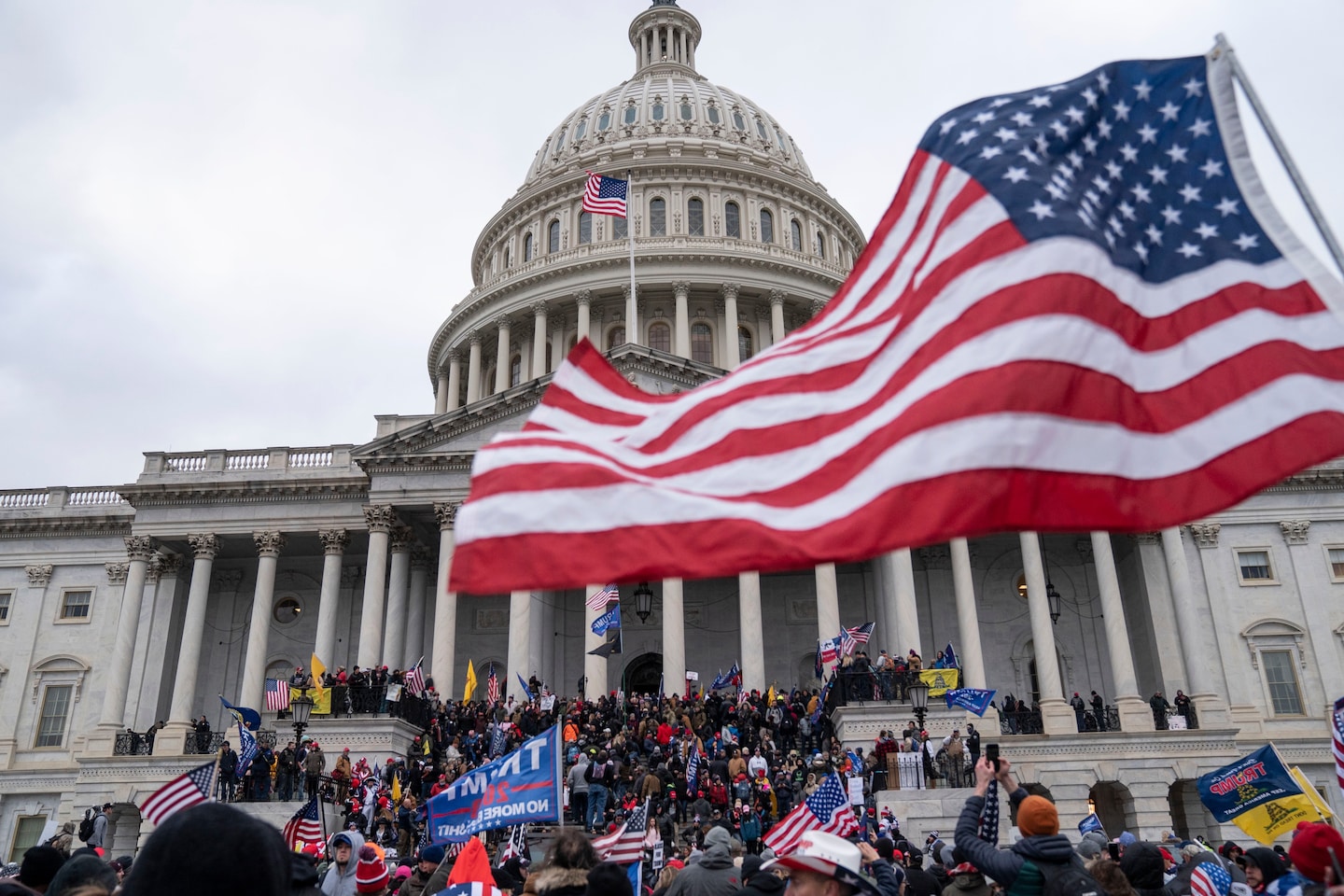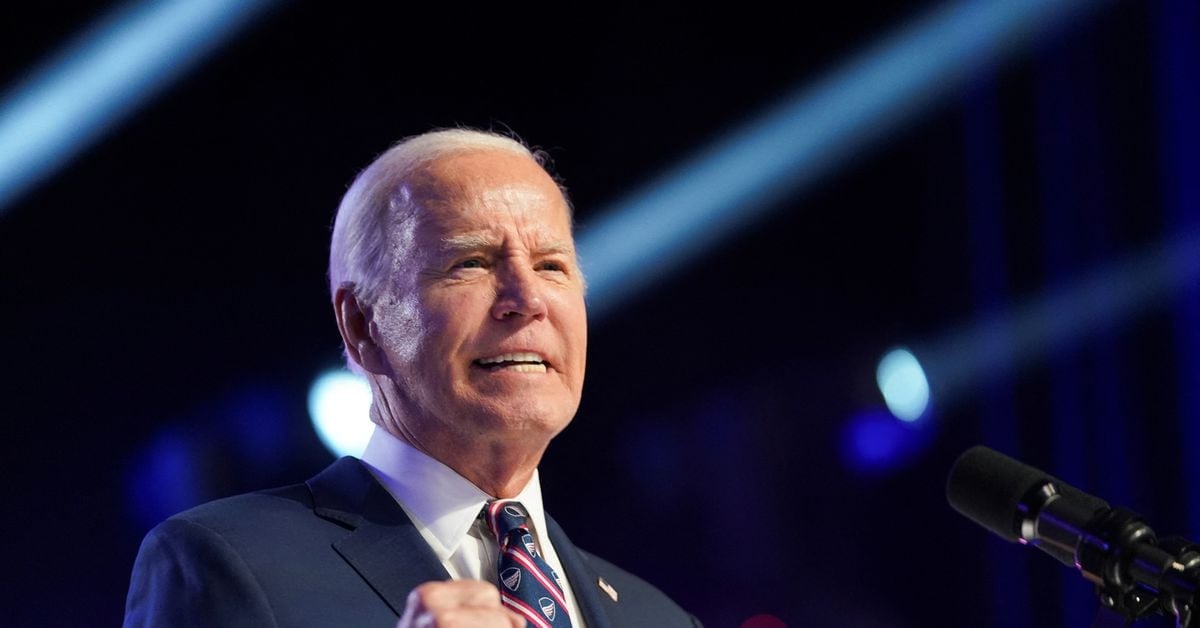
On the third anniversary of the January 6 Capitol attack, President Joe Biden accused former President Donald Trump of seeking "revenge and retribution" against political opponents and warned that democracy and freedom were at stake in the upcoming election. Biden's speech, which took place in Pennsylvania, emphasized the defense of democracy as his central campaign promise and criticized Trump's actions during the Capitol riot. The speech comes amid concerns about Biden's handling of the economy and his age, as well as a backdrop of political polarization and a closely contested race for the 2024 presidential election.
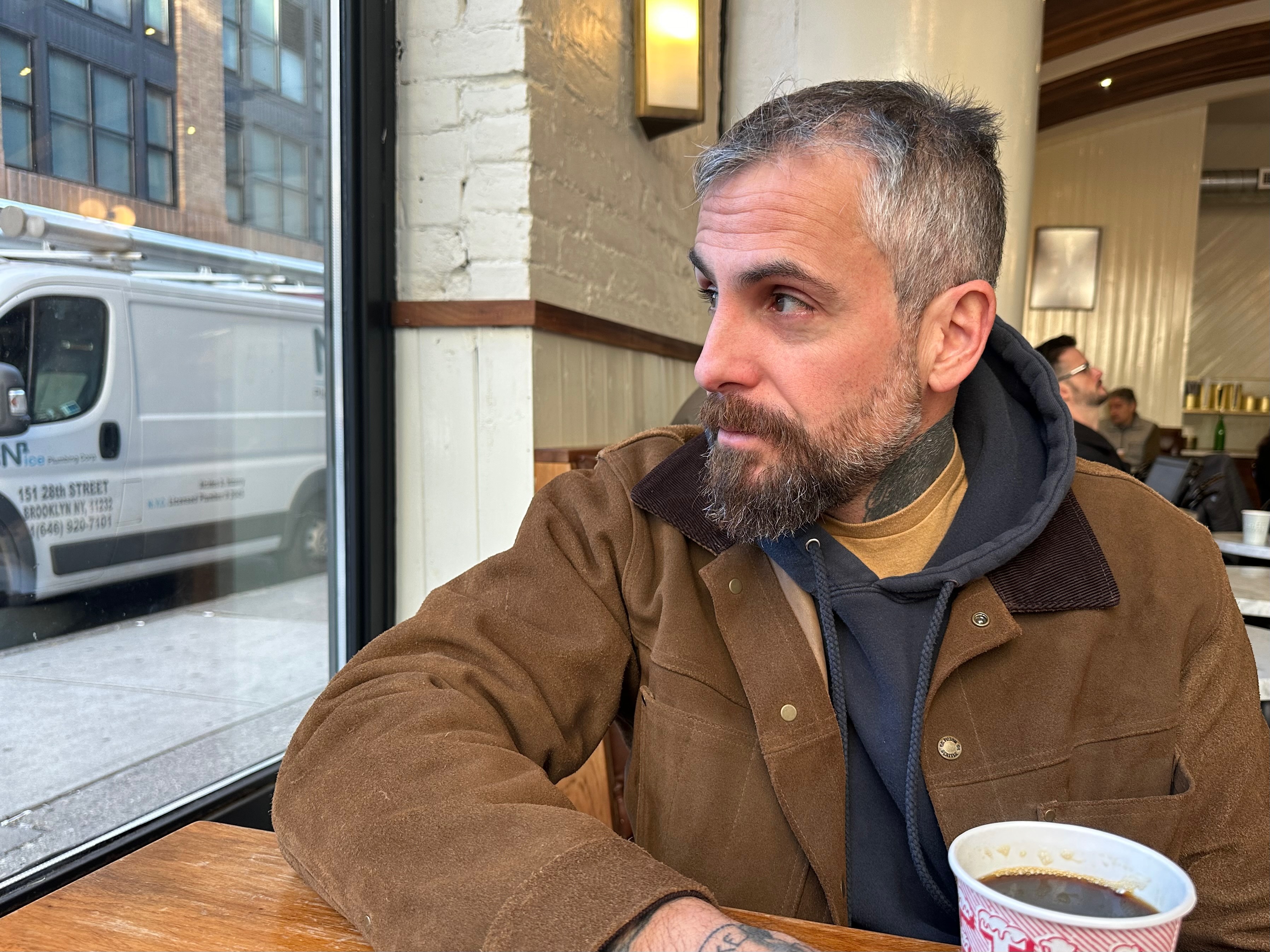
Former D.C. Metropolitan police officers Michael Fanone and Harry Dunn, who were attacked during the January 6 Capitol riot, are channeling their experiences into political activism. Fanone is leading an ad campaign against what he views as voter suppression legislation, while Dunn has entered the Democratic primary for Congress in Maryland. Both men are leveraging their high-profile testimonies and media presence post-attack to advocate for democracy and oppose the MAGA movement, with Fanone supporting President Biden after initially voting for Trump and Dunn seeking to continue his service to the country through a political role.
Three years after the Jan. 6 Capitol attack, Republican loyalty to Donald Trump has increased, with more GOP members downplaying the violence and questioning the legitimacy of President Joe Biden's election, as per a Washington Post-University of Maryland poll. The shift includes a rise in conspiracy theories about the riot being instigated by law enforcement, a decrease in Republicans who believe Trump bears responsibility for the attack, and a growing number of Americans who doubt the 2020 election's legitimacy. Despite this, a majority of Americans still view Trump as probably guilty of a criminal conspiracy to overturn the election results. The poll also indicates skepticism about Trump conceding if he loses the 2024 election, with a significant majority of Americans, including nearly half of Republicans, doubting he would accept defeat.