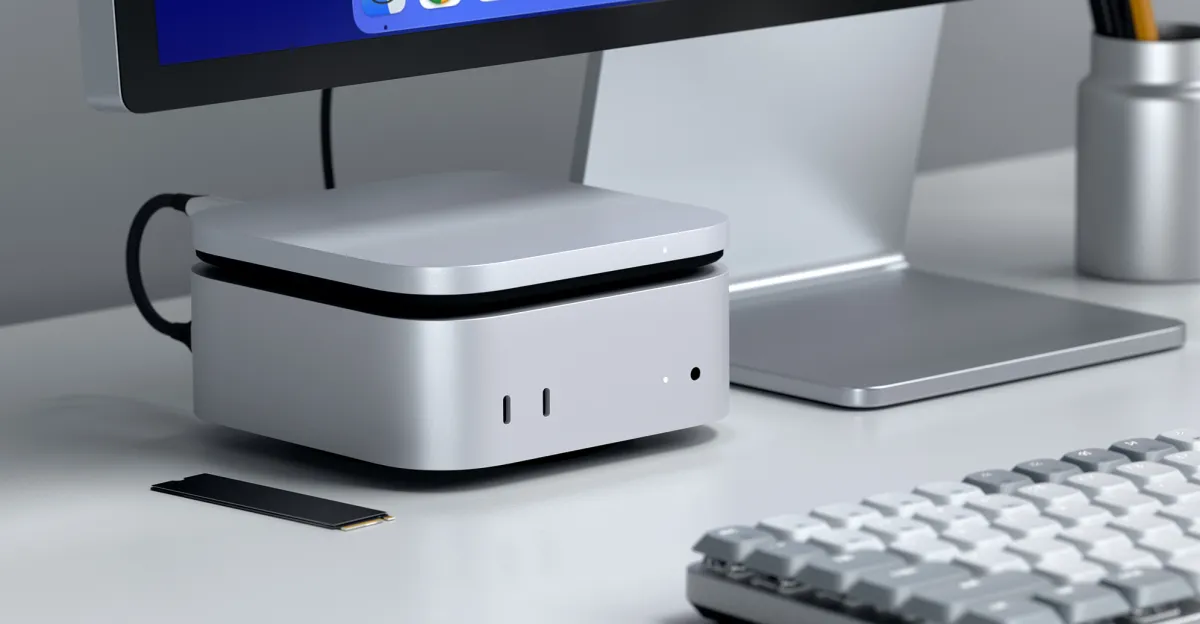
Satechi has introduced a new aluminum SSD enclosure that matches the design of the Mac Mini M4, offering faster transfer speeds of up to 40Gbps with USB4 support, compatibility with various NVMe SSD sizes, and a sleek, minimalist design with thermal management features.
Microsoft is testing USB4 Version 2.0 support in Windows 11, enabling transfer speeds of up to 80 Gbps, initially launching on select devices based on Intel Core 14th Gen HX-series mobile processors. The company is also testing a new Windows Copilot option to automatically open on login for widescreen devices, and has released ISO images for the dev build. Additionally, there are updated Windows share dialog improvements rolling out to Windows Insiders.
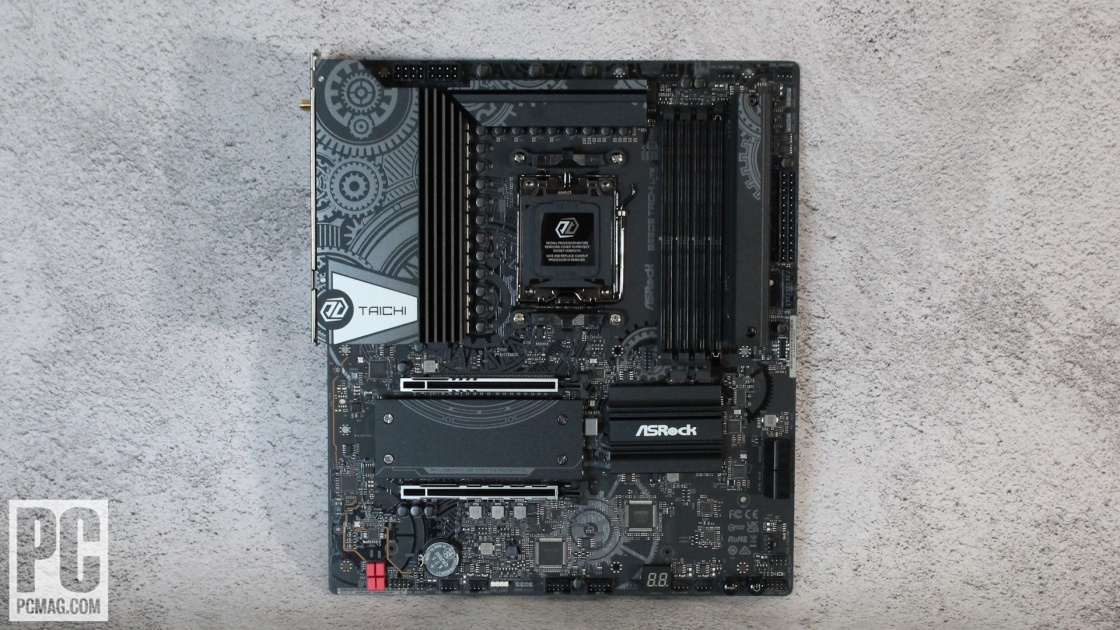
The ASRock B650E Taichi Lite is a midrange AMD AM5 motherboard that offers flagship-class features such as robust power delivery, a premium audio solution, and a dozen USB ports on the rear I/O panel, including a 40Gbps USB4 Type-C port. While it sacrifices the signature aesthetics of the Taichi line, it provides high-end features and overclocking potential at a more affordable price. With its powerful VRMs, support for AMD Ryzen AM5 processors, and DDR5-6600+ memory, it offers excellent performance. The motherboard also features multiple M.2 storage slots, a reinforced PCIe slot for graphics cards, and a high-quality audio section. Overall, the ASRock B650E Taichi Lite is a well-equipped option for AMD Ryzen 7000 builders looking for premium hardware at a midrange price.
The Linux 6.5 kernel is set to be released with several exciting additions for Intel and AMD Linux users, including defaulting to AMD P-State EPP for improved performance and power efficiency, support for Ryzen 7000 series EDAC, enhanced load balancing for Intel Core hybrid CPUs, preparations for future Intel Lunar Lake processors, AMD FreeSync Video support enabled by default, USB4 v2 and WiFi 7 enablement, and various improvements for gaming controllers.
Microsoft has released the Windows 11 Insider Preview Build 23419, which includes improvements to system startup, a new settings page for USB4 devices, and modifications to the task manager to allow real-time collection and capture of kernel memory files. These enhancements can significantly improve system performance and provide users with an enhanced experience when working with USB4 devices.