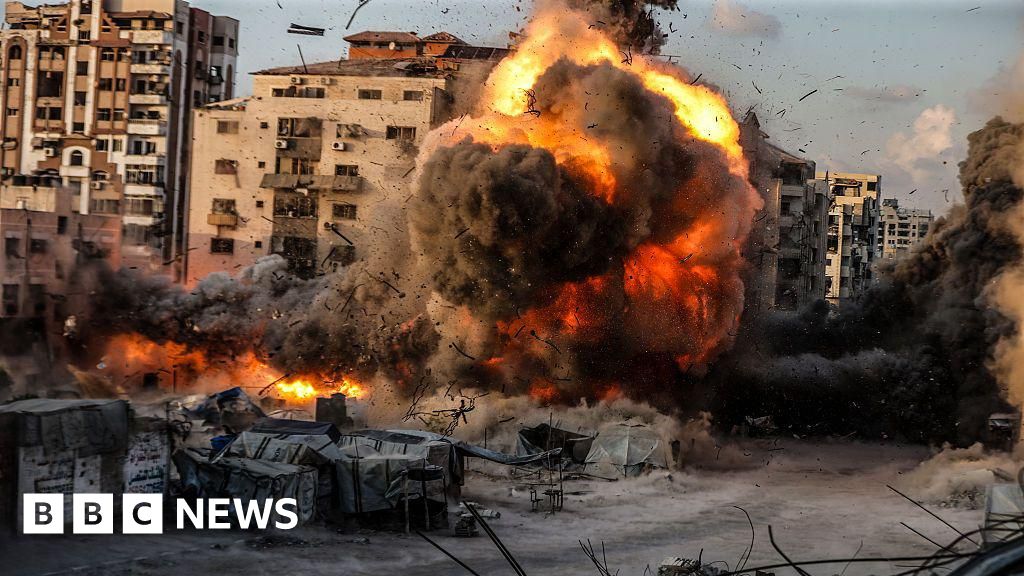
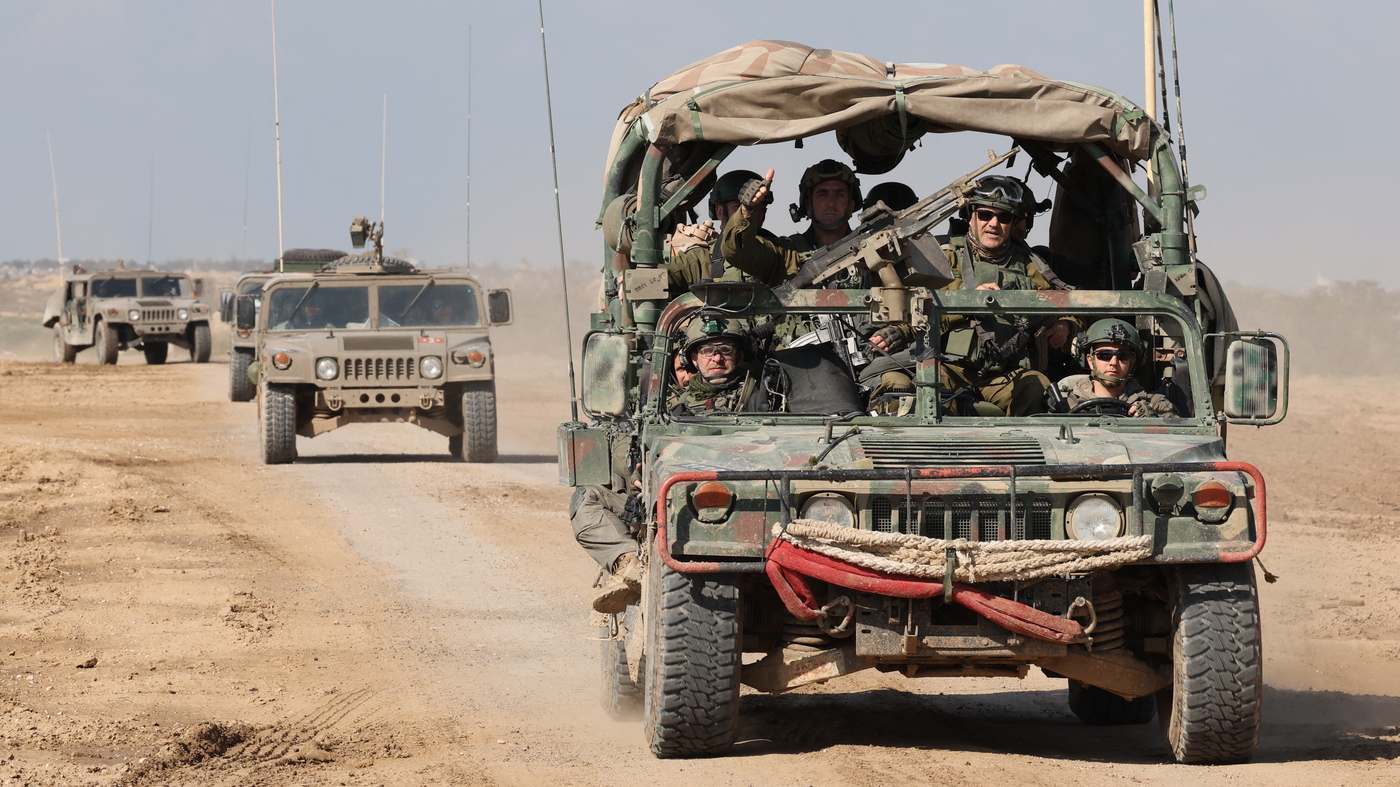
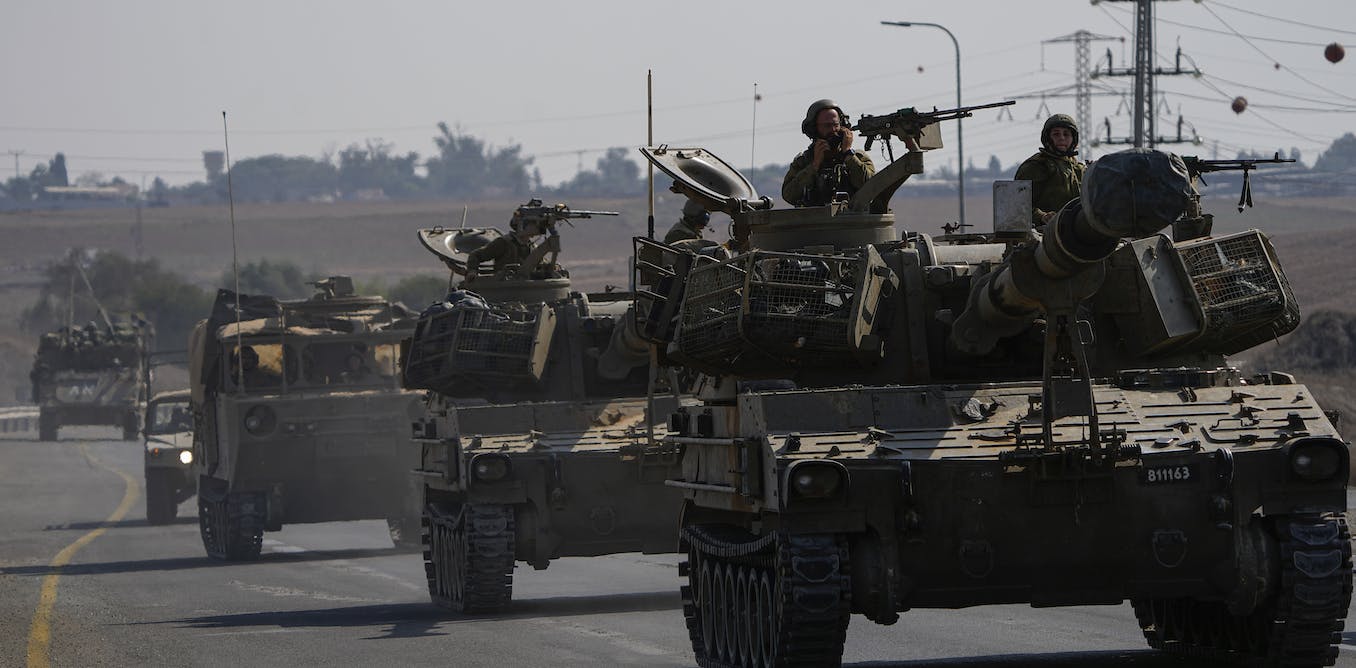
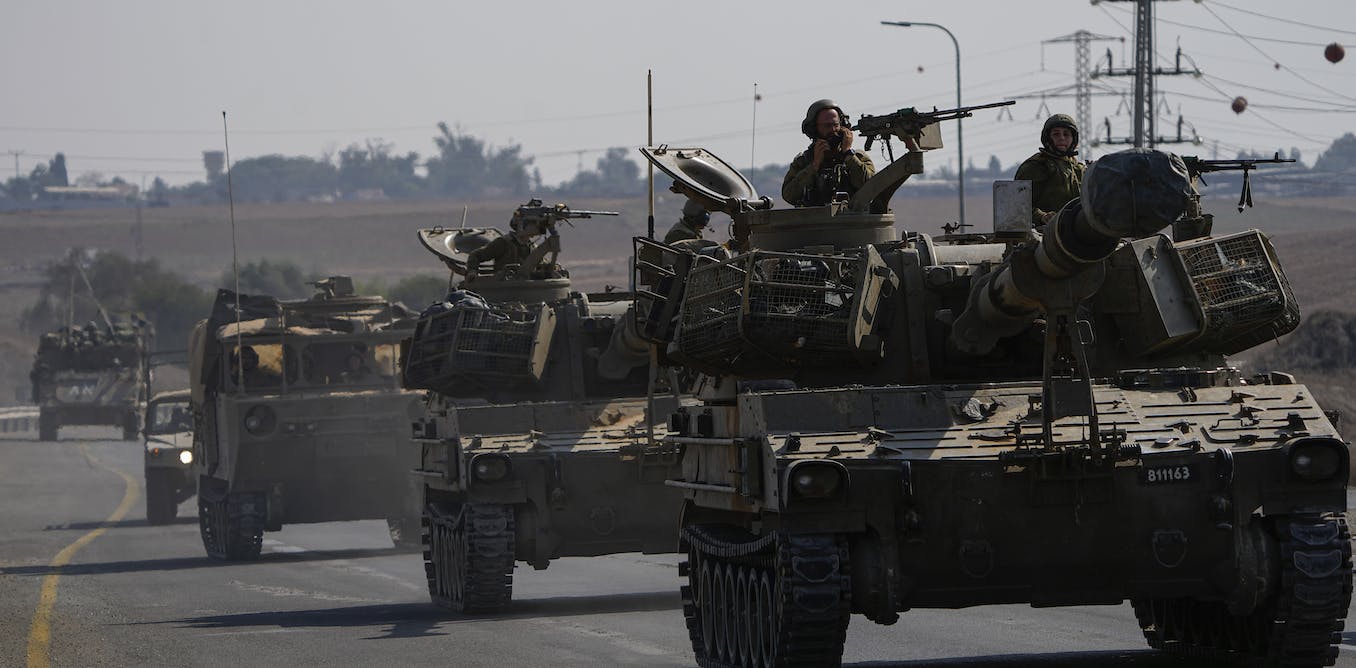
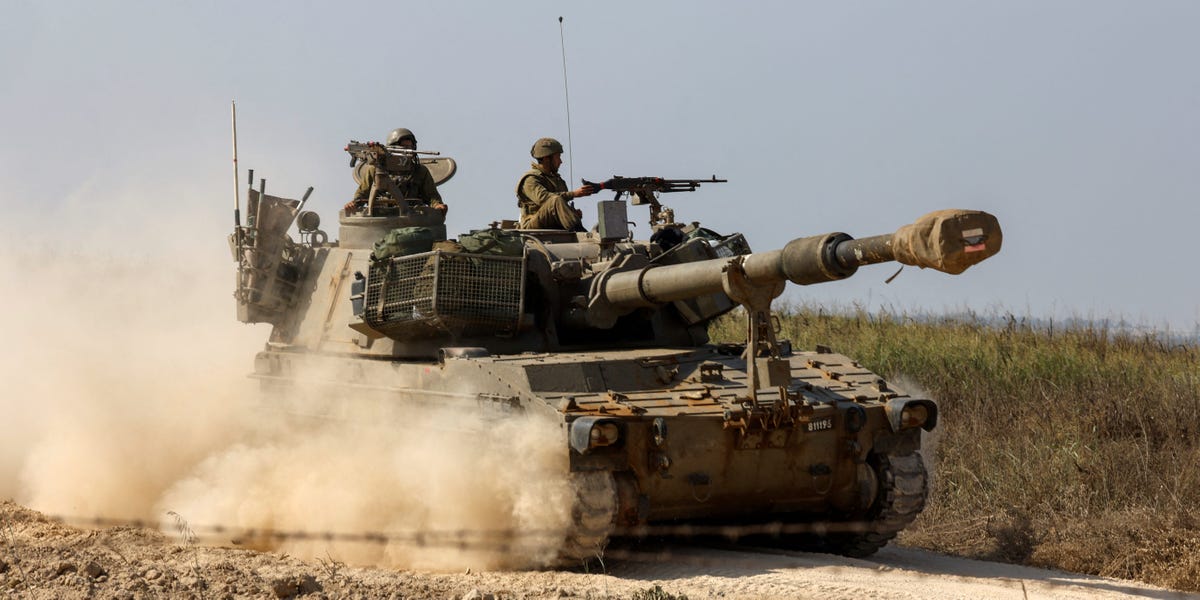
Israeli forces are approaching Gaza City as Hamas prepares for intense street fighting, with thousands of Palestinians fleeing the city amid ongoing conflict and fears of urban combat in densely populated areas, while both sides report significant military activity and civilian suffering.
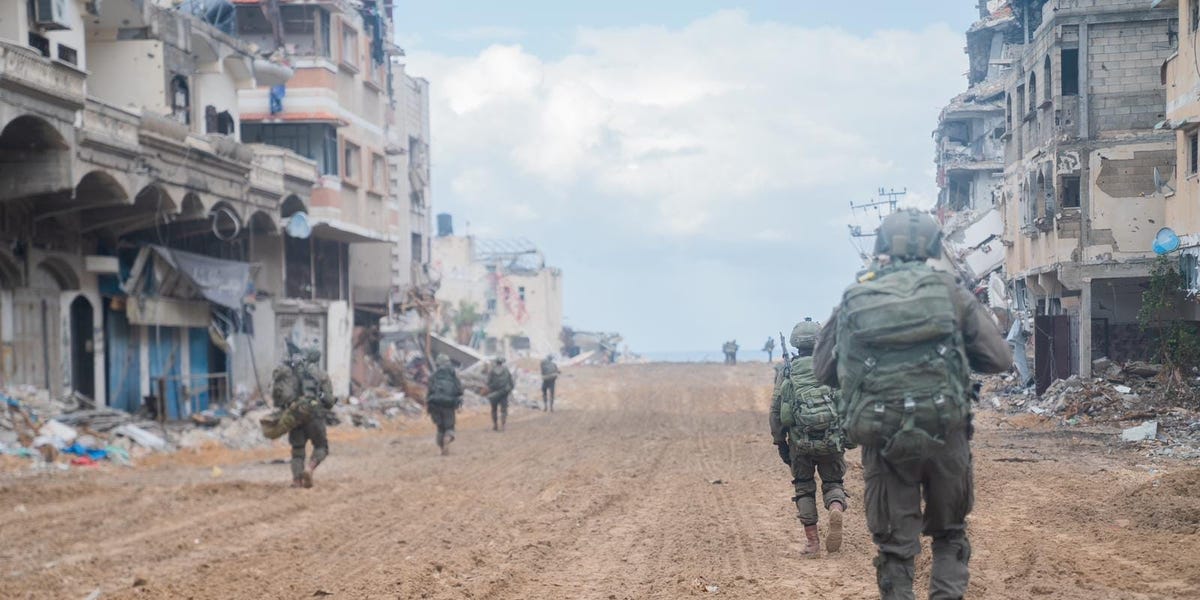
Israel is preparing for a challenging and destructive battle to take Gaza City from Hamas, facing obstacles like dense urban terrain, civilian displacement, and fortified tunnels, with experts warning of significant humanitarian and material destruction.
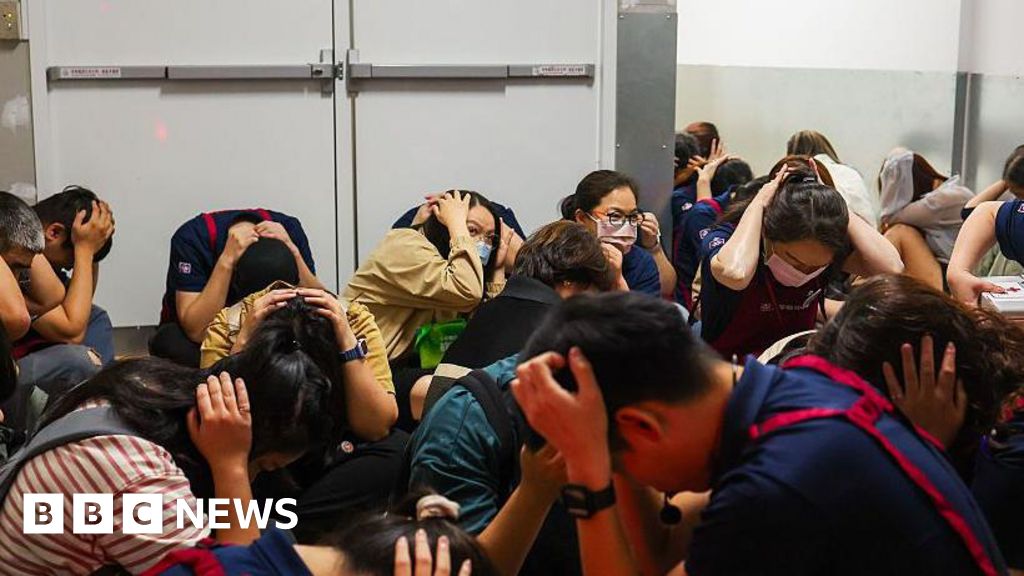
Taipei is conducting one of its largest civil defense exercises, including air raid sirens, evacuations, and military drills, amid rising tensions with China which claims Taiwan as its territory. The drills aim to prepare for potential invasion scenarios, although most Taiwanese remain skeptical about an imminent attack.
Elite IDF commandos, experienced in Gaza and Lebanon, are now leading civilian rescue operations across Israeli cities following Iranian missile strikes, utilizing drones, specialized rescue teams, and their combat skills to save trapped civilians and manage destruction in urban areas.
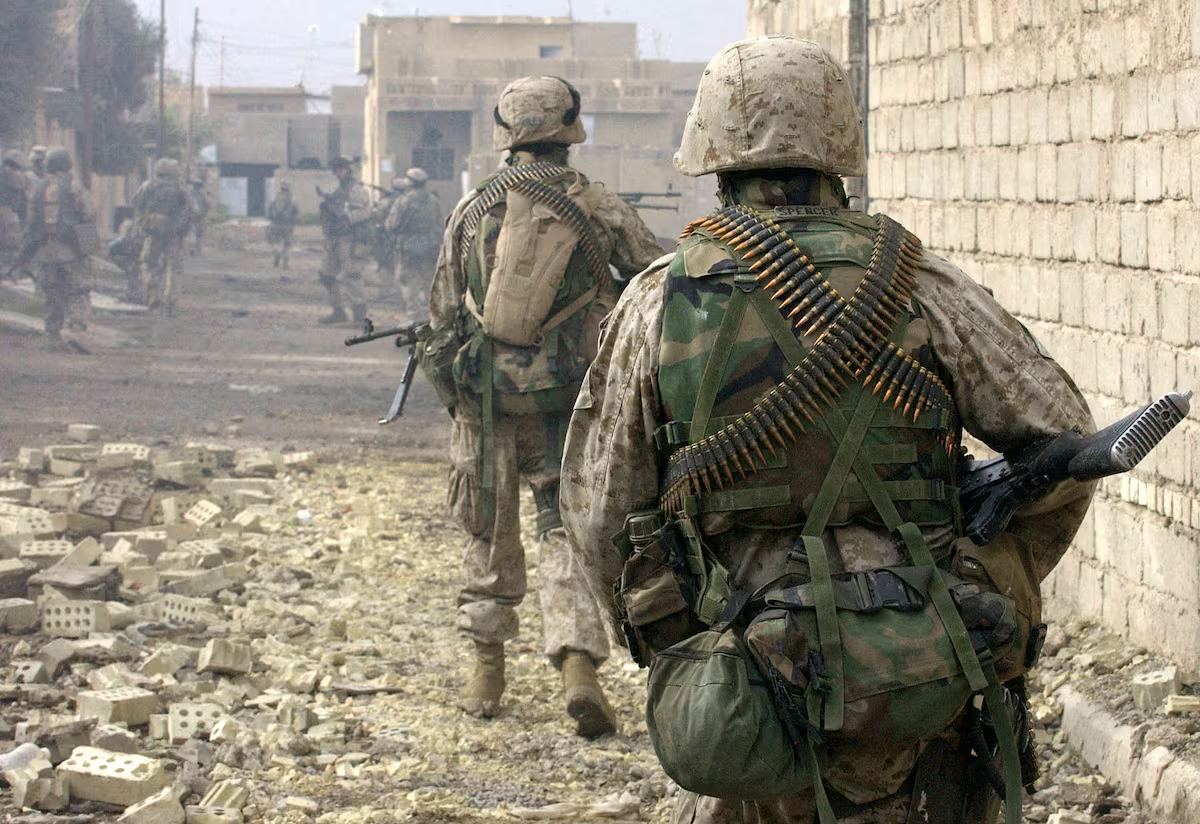
The Second Battle of Fallujah in 2004 remains a significant learning point for the Marine Corps, highlighting the challenges of urban warfare. Despite the battle's success, Fallujah fell to ISIS a decade later, underscoring the complexities of maintaining control in urban environments. The battle demonstrated the high resource demands and casualties associated with urban combat. Today, the Marine Corps faces new challenges with the absence of tanks and the influence of social media on warfare. Experts suggest the need for dedicated urban training centers and strategies to prepare for future urban conflicts.
Israeli soldiers have suffered a significant number of casualties from friendly fire and accidents during the conflict in Gaza, with nearly a fifth of fatalities attributed to such incidents. The unique challenges of urban combat in densely populated areas, the young age of many soldiers, and the lack of a comprehensive military strategy have contributed to these high casualty rates. The Israeli military's approach has raised concerns about its tactical and strategic conduct, with calls for more restrained and thoughtful operations in Gaza.
Experts suggest that Israel is still far from toppling Hamas in the Gaza Strip, despite the Israeli government's goal of eliminating the terrorist organization. The ongoing urban warfare and complex nature of the conflict are expected to prolong the war and make victory less clear. While Israel has caused extensive damage, Hamas still possesses rockets and the majority of its fighters remain alive. The challenges of urban warfare are further compounded by Hamas' underground tunnels and the difficulty of distinguishing between combatants and civilians. The collapse of Hamas' governing mechanism and a mass surrender are not expected, and the conflict is likely to continue with no specific endpoint in sight.
The Israeli Defense Forces (IDF) claimed that the ratio of two civilians killed for every Hamas terrorist killed in Gaza is "tremendously positive" given the challenges of fighting in the densely populated region. While the IDF spokesperson faced criticism for his choice of words, the IDF later clarified that the ratio was unprecedented in the modern history of urban warfare. The UN secretary-general's office described the remark as "tasteless," and there are increasing calls for a ceasefire as the situation in Gaza continues to deteriorate, with a high risk of "atrocity crimes."
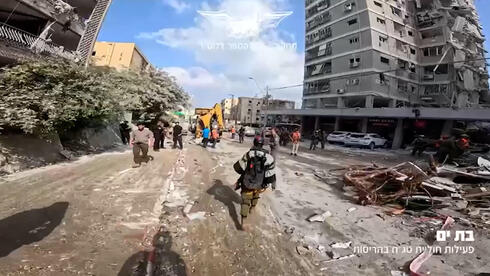
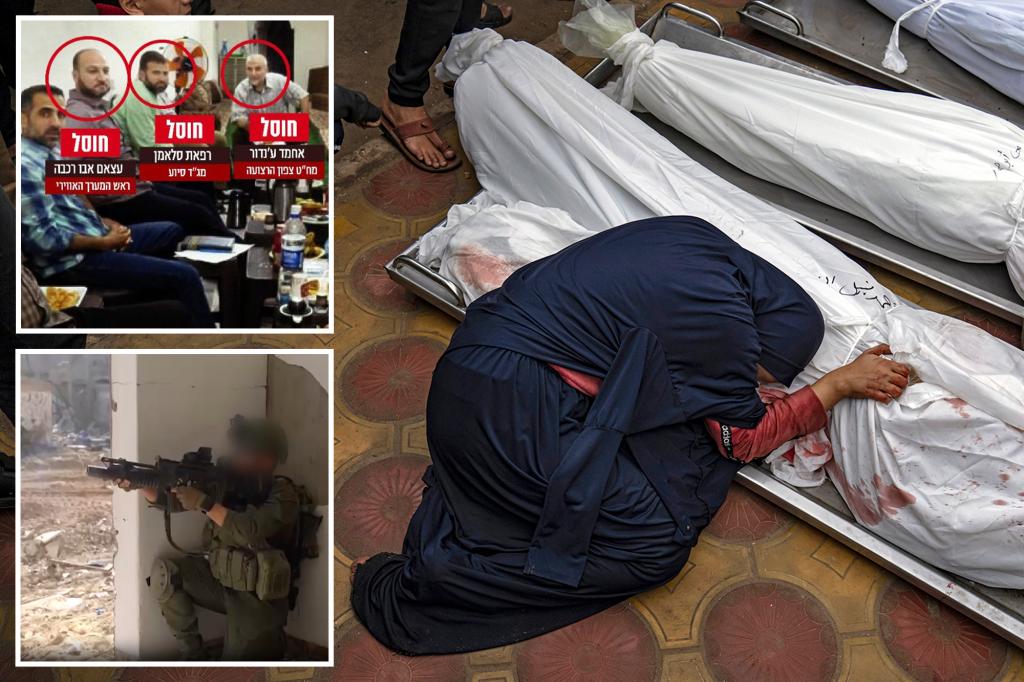
The Israel Defense Forces (IDF) released footage of its elite commando brigade engaged in house-to-house fighting in the Al-Shati refugee camp in northern Gaza. The IDF claimed to have killed Hamas militants and destroyed "terrorist infrastructure" during the operation. The videos show soldiers conducting urban warfare, while an interview with a first lieutenant highlights the discovery of weapon stockpiles and tunnel shafts near educational institutions. Most civilians have been forced out of northern Gaza, and Israel has warned of potential attacks in the southern city of Khan Younis. The conflict between Israel and Hamas has resulted in numerous casualties on both sides.
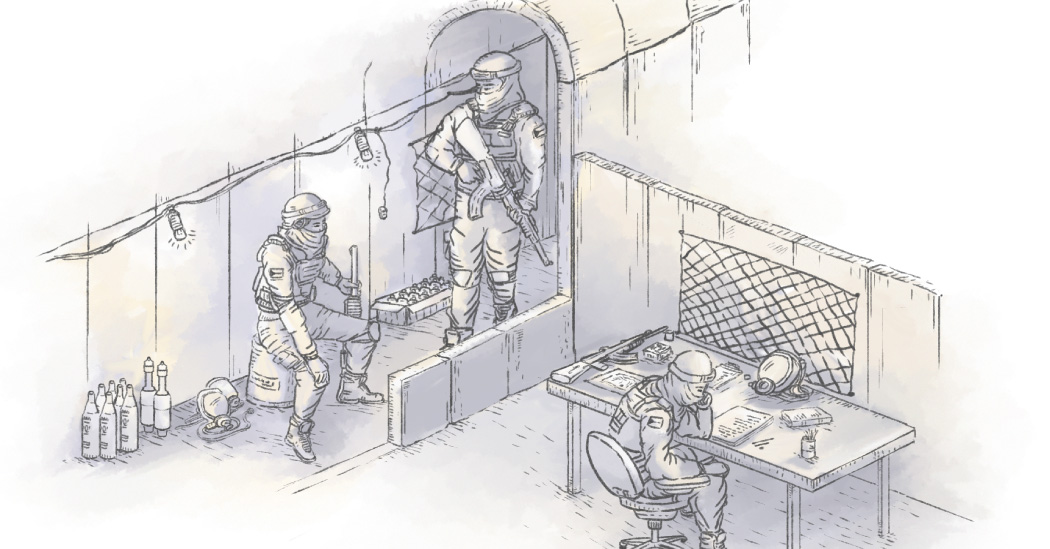
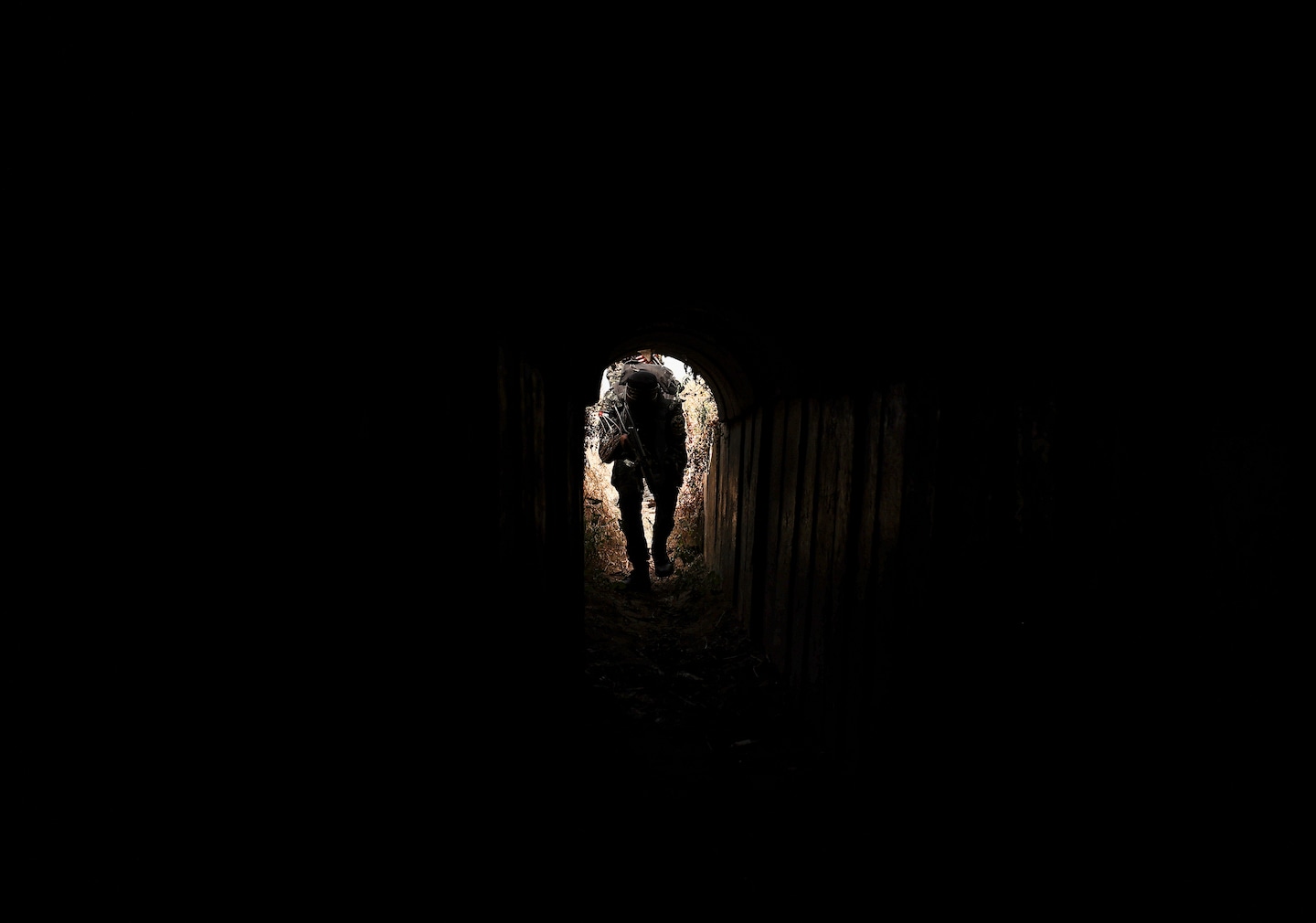
Hamas militants in the Gaza Strip have constructed a complex network of hidden tunnels that extend across the territory, allowing fighters to move freely and stockpile weapons. These tunnels, which include disguised access points, bunkers, and even tunnels wide enough for vehicles, pose a significant challenge for Israeli forces as they attempt to dismantle them. The tunnels serve as shelters, planning rooms, and ammunition warehouses, and may also be holding Israeli hostages. Destroying the tunnels is a key objective for Israel, but the task is complicated by the tunnels' hidden entrances and the risk of booby traps. Israeli forces are likely to focus on blocking the entrances rather than attempting to destroy the entire network.
The Israel-Hamas war has entered a new phase focused on urban warfare, with both sides employing tactics such as tunnels, ambushes, and explosives hidden in walls. The Israeli Defence Forces (IDF) have extensive experience in urban operations and are well-equipped with advanced armoured vehicles and engineering technology. However, the presence of civilians in urban war zones poses moral and ethical challenges. The outcome of the ground war and the geopolitical battle for public opinion remain uncertain.
The Israel-Hamas war has entered a new phase focused on urban warfare, with both sides employing tactics such as tunnels, ambushes, and explosives hidden in walls. The Israeli Defence Forces (IDF) have extensive experience in urban operations and are well-equipped with protected tanks, armoured engineering vehicles, and specialized units trained to detect and destroy tunnels. However, the presence of civilians in urban war zones poses moral and ethical challenges, and the outcome of the ground war and the geopolitical war of narratives remains uncertain.
Israeli forces have encircled Gaza City after a week of expanded ground operations, facing anti-tank fire, surprise attacks, and assaults by Hamas. The IDF is advancing in battles, destroying Hamas infrastructure, killing militants, and eliminating tunnels. As the urban fight intensifies, it is expected to become even more costly and difficult for the IDF, with booby traps, guerilla-style assaults, and a complex network of subterranean tunnels. The death toll among Palestinians continues to rise, prompting calls for a ceasefire, but US and Israeli officials have dismissed the pressure. The Israeli military also faces attacks from Iran-backed groups in other directions.
As Israeli ground troops encircle Gaza City, they face the challenge of fighting a "three-dimensional" urban war against Hamas, with combatants firing from rooftops, rubble-strewn streets, and an extensive underground tunnel network. Israeli officials estimate there are 1,300 tunnels spanning 300 miles across the Gaza Strip, making it one of the most elaborate underground webs in the world. The tunnels allow Hamas fighters to quickly redeploy, resupply, and escape over significant distances, posing a threat to Israeli forces. The Israeli military aims to destroy the tunnels from a distance, as entering them is considered too dangerous. The ongoing conflict in Gaza has resulted in significant civilian casualties.
Israel's fight against Hamas in Gaza City is being made deadly and difficult by Hamas' extensive network of tunnels, which allow small teams of fighters to launch surprise attacks on Israeli soldiers. The tunnels, built over decades, are Hamas' most important asset and are used for smuggling weapons, infiltrating Israel, and launching rockets. Israel's goal is to destroy these tunnels, but they are difficult to detect and located under heavily populated civilian areas. The challenge of urban warfare and tunnel warfare has been faced by the U.S. in the past, particularly in Vietnam. Israel's plan involves targeting the tunnels' generators and ventilation systems and cutting off fuel to choke out the tunnel systems. However, Palestinians argue that this strategy also affects hospitals and civilians. The fighting in Gaza City is expected to be a long process, with heavy fighting both above and below ground.