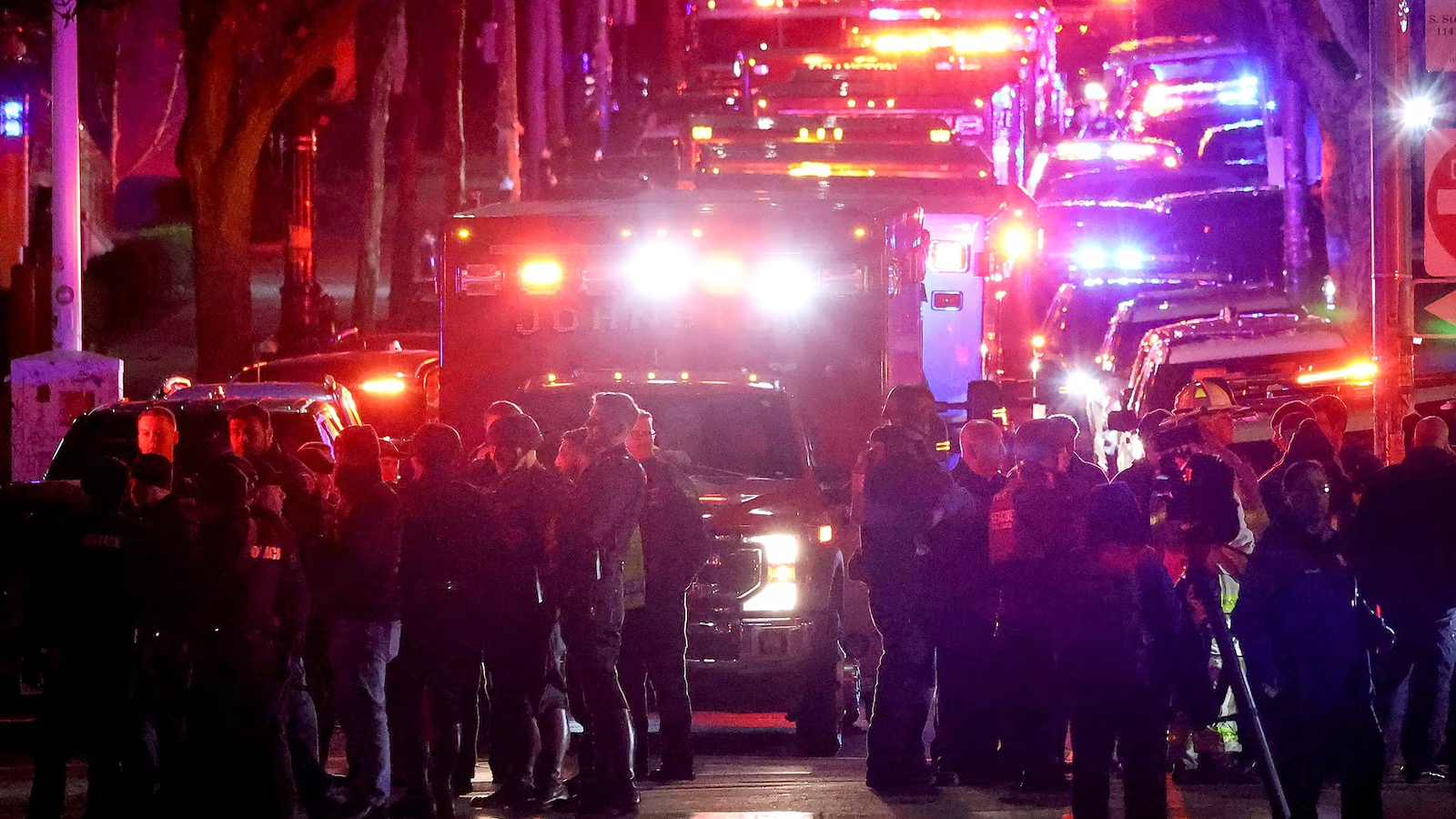
Despite high-profile violent incidents, 2025 is projected to see the largest one-year decrease in U.S. homicides ever recorded, with a roughly 20% drop nationwide, returning crime levels closer to pre-pandemic norms according to preliminary data from law enforcement agencies.
President Trump reconsidered his plans to deploy federal troops to Chicago, instead focusing on New Orleans, citing legal and political challenges, and emphasized his efforts to address urban crime while dismissing distractions like Jeffrey Epstein's case.
Trump threatened to send the National Guard to Chicago to combat urban crime, drawing criticism from local officials and Democrats, while the administration prepares a rapid deployment force to support law enforcement efforts.
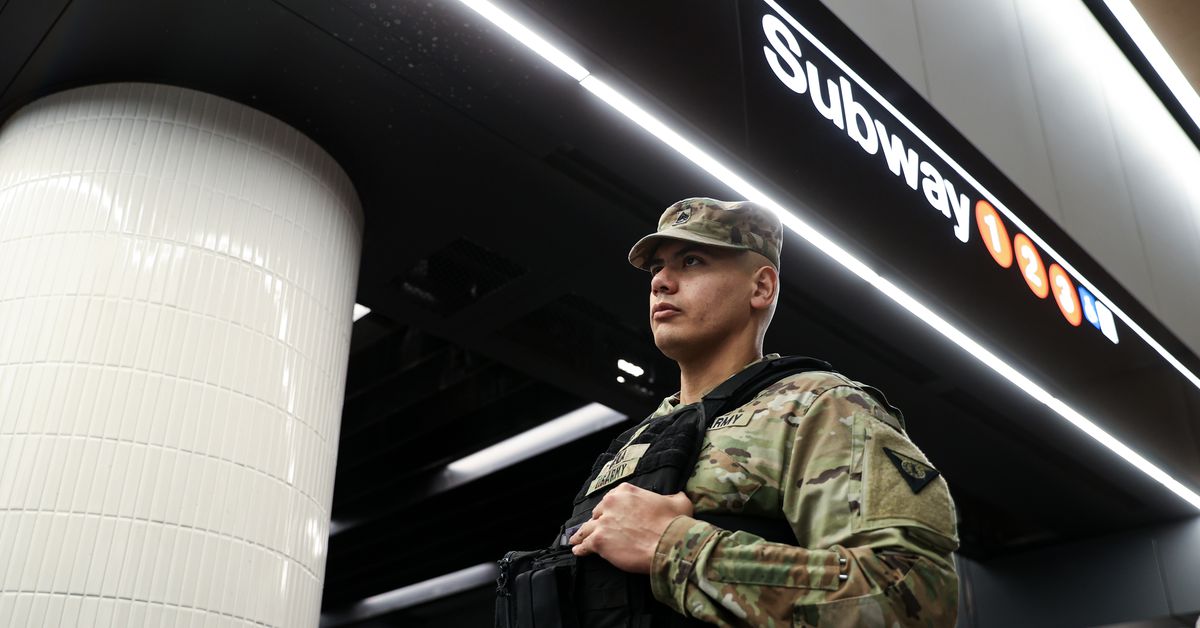
New York Governor Kathy Hochul's decision to deploy 750 National Guard members and state troopers into the city's subway system has sparked debate about the city's safety. While major crime in the transit system has increased, overall crime fell last year, and the rate of violent crime on the subway is low. A new study by New York University's Center for Urban Science and Progress shows that New York City is outperforming expectations in terms of gun homicides, indicating that it is doing better than other big cities in the country. The study used urban scaling theory to analyze gun violence and population data, highlighting the complexity of crime in urban areas and the need for a better understanding of how crime concentrates in cities.