The final version of HP-UX, HP-UX 11i v3, is no longer supported as of the end of 2022, marking the end of a Unix lineage that began in 1982, with the demise driven by the obsolescence of Itanium processors and the shift towards x86 architectures.
Ken Thompson recalls the early, rebellious days of Unix at Bell Labs, highlighting its community-driven development, open environment, and playful culture, including lock-picking antics, which fostered innovation and camaraderie among the pioneering programmers.
The X Window System, a windowing system for Unix, celebrates its 40th anniversary. Despite the rise of alternatives like Wayland, X11 remains in use due to its reliability and compatibility with older applications. However, the Linux community is gradually shifting towards Wayland, signaling a potential end for X11 in the near future.
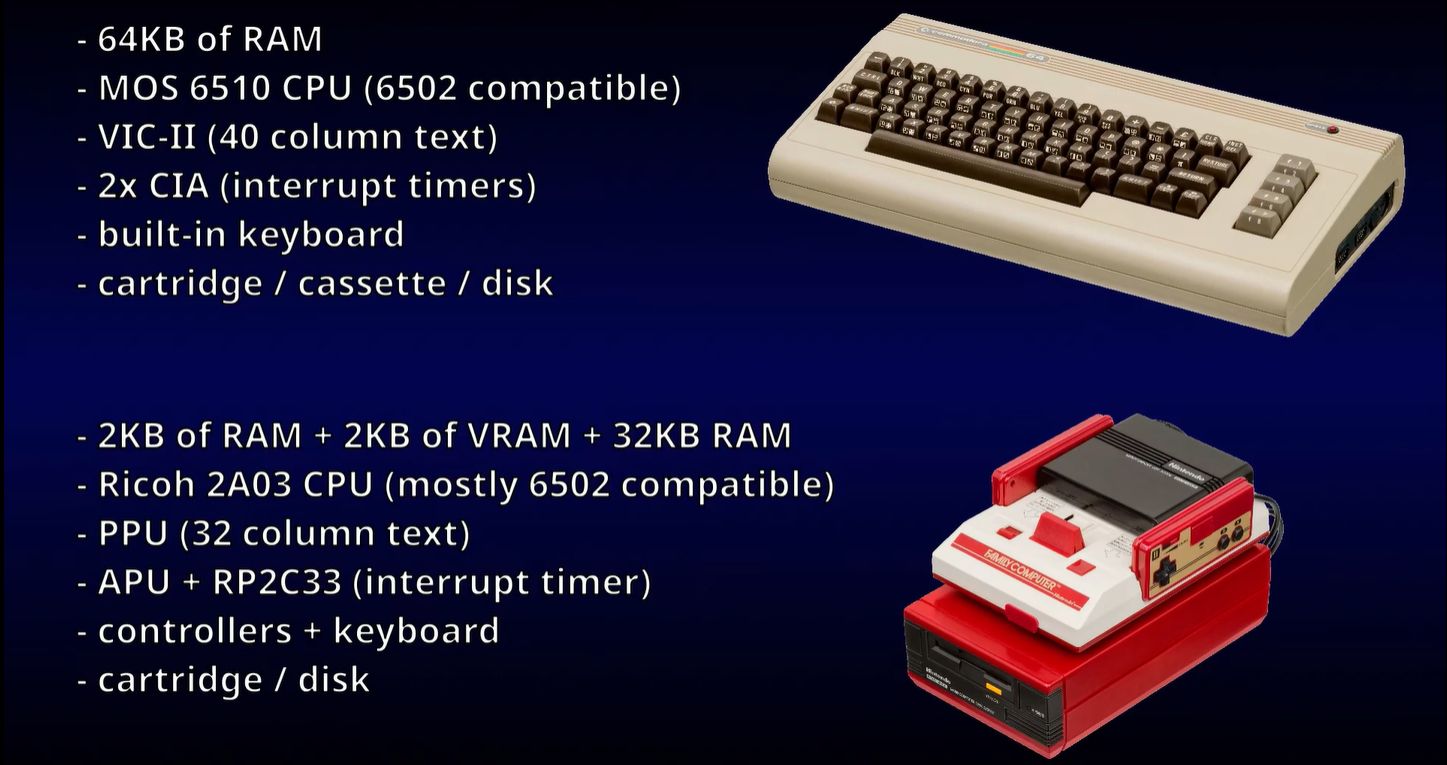
A developer has successfully ported the Little Unix (LUnix) operating system, originally written for the Commodore 64, to the Nintendo Entertainment System (NES) using the Famicom Disk System (FDS) to overcome the NES's limited RAM. The project, driven by curiosity, leverages the similarities between the 6502 MPU in the C64 and the Ricoh 2A03 in the NES. The port is available on GitHub and can be booted up on an unmodified NES using an EverDrive cartridge that supports FDS ROMs, sparking interest in the potential revival of UNIX-on-6502 development.
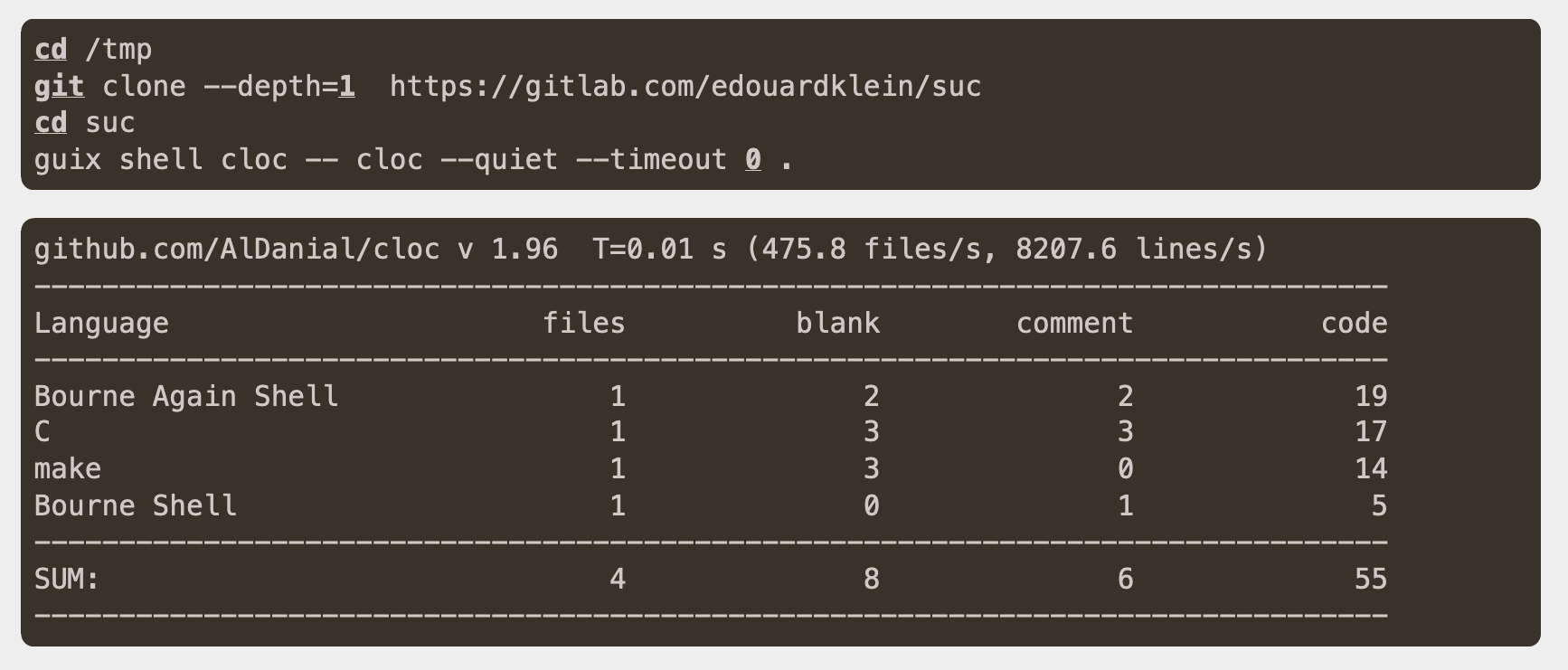
Simple Unix Chat (suc) aims to replace bloated chat programs like Slack by performing almost all modern chat functions in only five lines of Bash. It utilizes Unix services such as SSH for authentication and relies on common Unix system features for handling ownership and access. Channels are text files, making it easy to write bots or pipe command outputs directly into suc. While not everyone may switch to suc, it demonstrates the power of designing around the Unix philosophy and utilizing existing system tools, although it may result in a less desirable user experience.