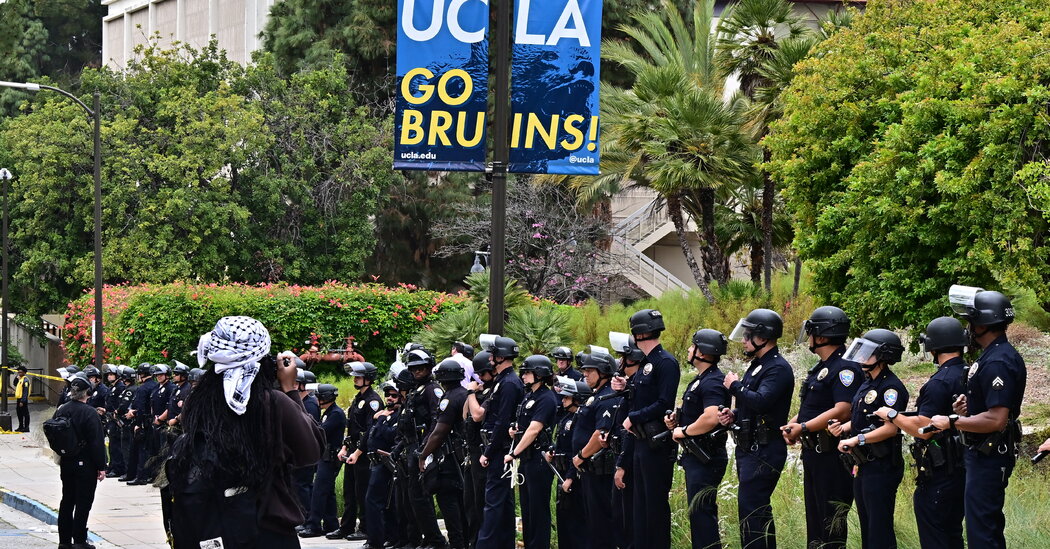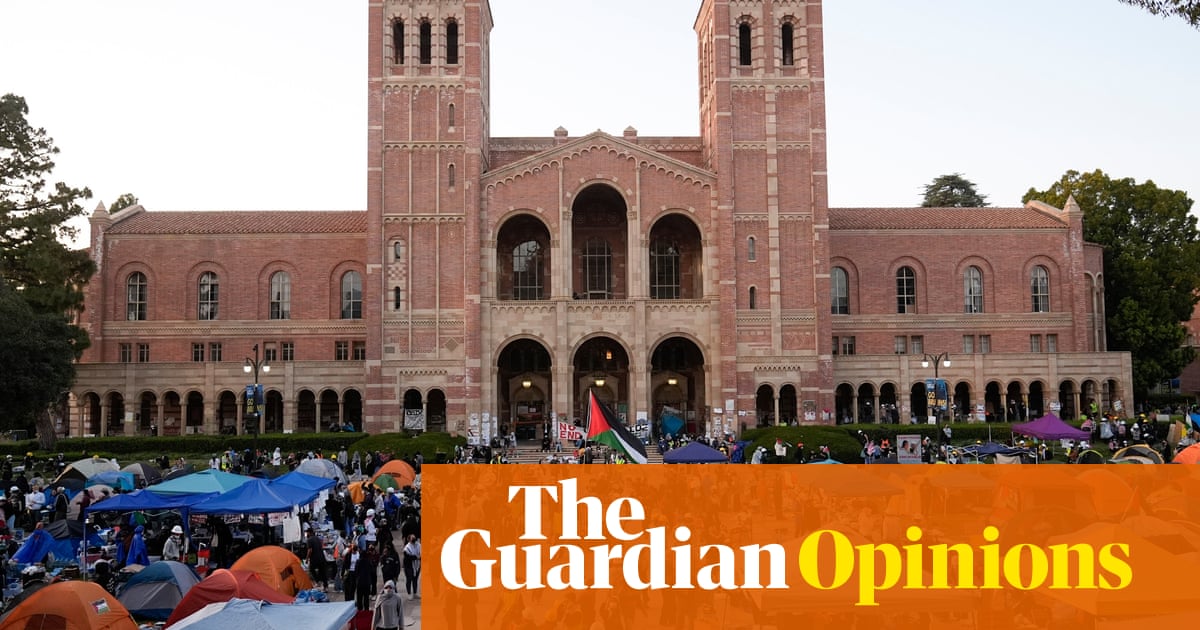
A recent congressional hearing led by Republicans targeted university administrators for allegedly not being punitive enough towards pro-Palestinian students and faculty, conflating anti-Zionism with antisemitism. The hearings have pressured universities to suppress politically disfavored speech, particularly from students and faculty of color, and have led to resignations of several university presidents. The hearings have been criticized for promoting a racist and anti-intellectual agenda under the guise of combating antisemitism.
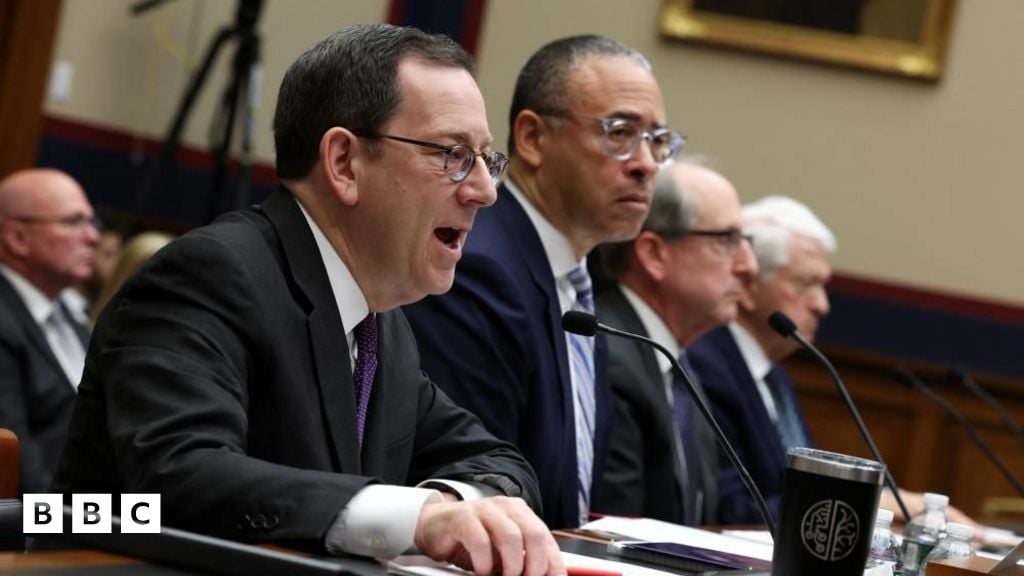
University leaders from Northwestern, UCLA, and Rutgers testified before Congress about their handling of campus protests related to the Israel-Gaza war. They discussed negotiations with students, disciplinary actions, and responses to antisemitism. The hearing highlighted differing views on the universities' approaches, with some praising peaceful resolutions and others criticizing perceived leniency. The session coincided with ongoing protests and new camps being set up at UCLA, leading to heightened security measures and potential arrests.
University leaders from Northwestern, Rutgers, and UCLA testified before a Republican-led House committee, denying that their campuses are "hotbeds of antisemitism" but acknowledging missteps in handling recent pro-Palestinian demonstrations. The hearing saw heated exchanges, with Republicans accusing the universities of capitulating to antisemitic protesters. The leaders defended their actions as necessary for student safety and free speech, while also condemning antisemitic incidents. The session highlighted the complexities of balancing free speech with campus safety, especially at public universities bound by the First Amendment.