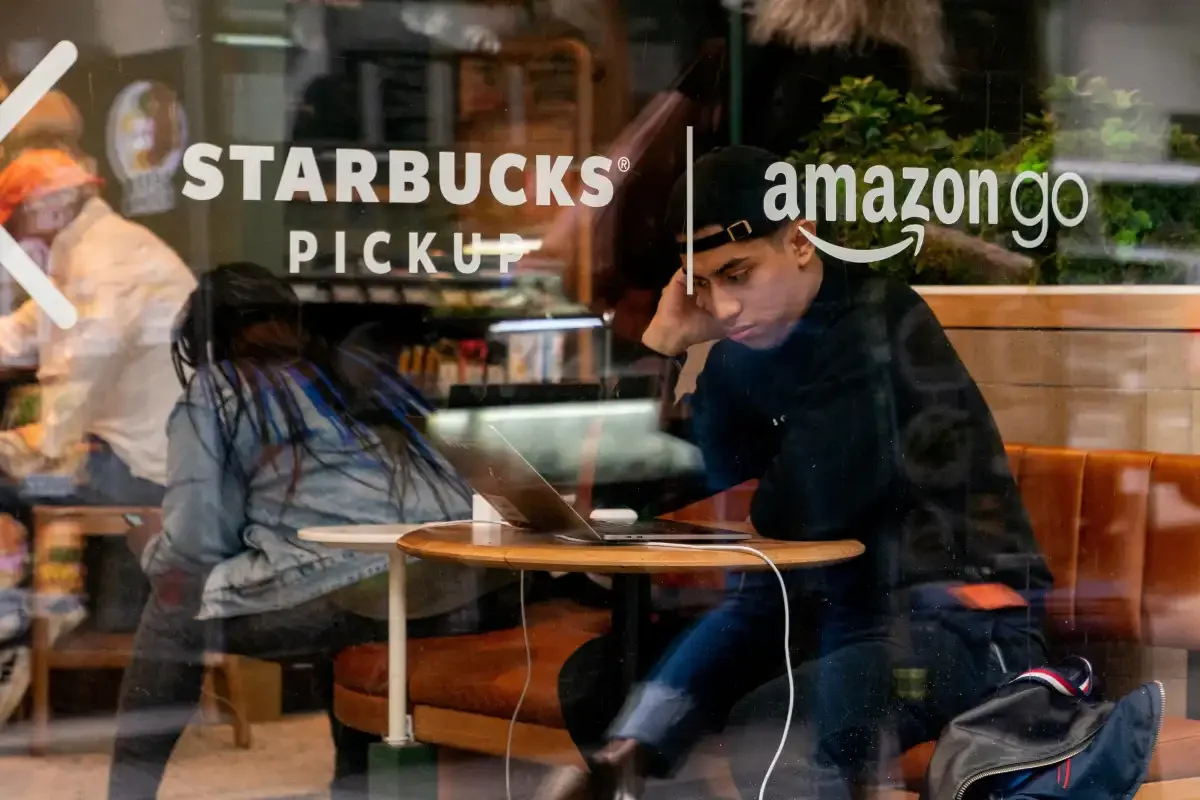
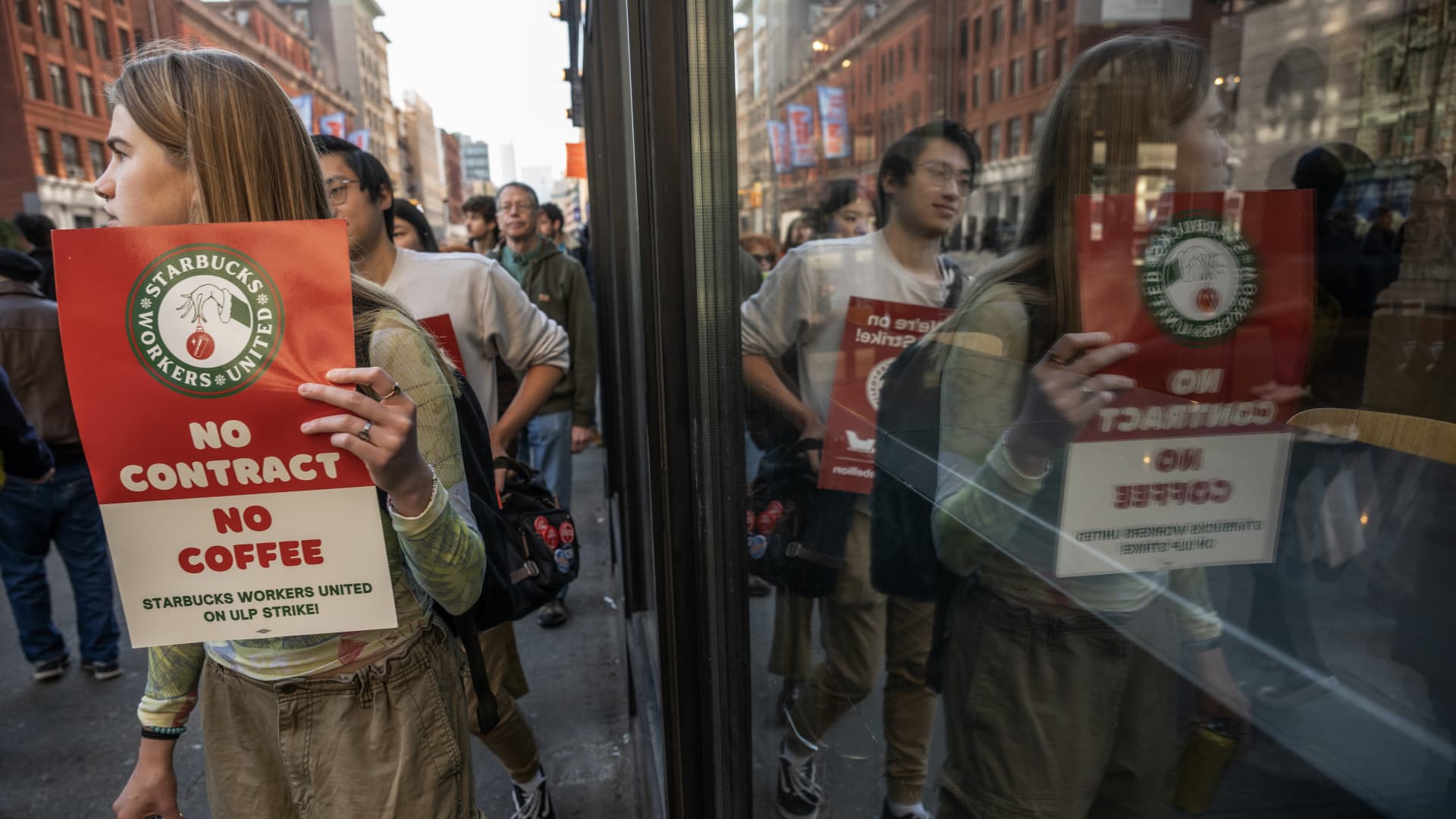
Starbucks is closing 34 locations in NYC and laying off 900 employees nationwide as part of a strategic review to improve store environments and financial performance, with some workers offered transfers or severance packages.
In 2023, there were 393 strikes in the U.S., involving over 500,000 workers, with significant gains made by unions. Actors, autoworkers, and health workers were among those who went on strike, securing wage hikes and protections around AI use. These victories were part of a larger wave of worker efforts building up over the past few years, fueled by the success of previous fights and the state of the labor market. Experts believe the momentum will continue as more unionized workers enter contract negotiations, potentially benefiting non-union workers as well.
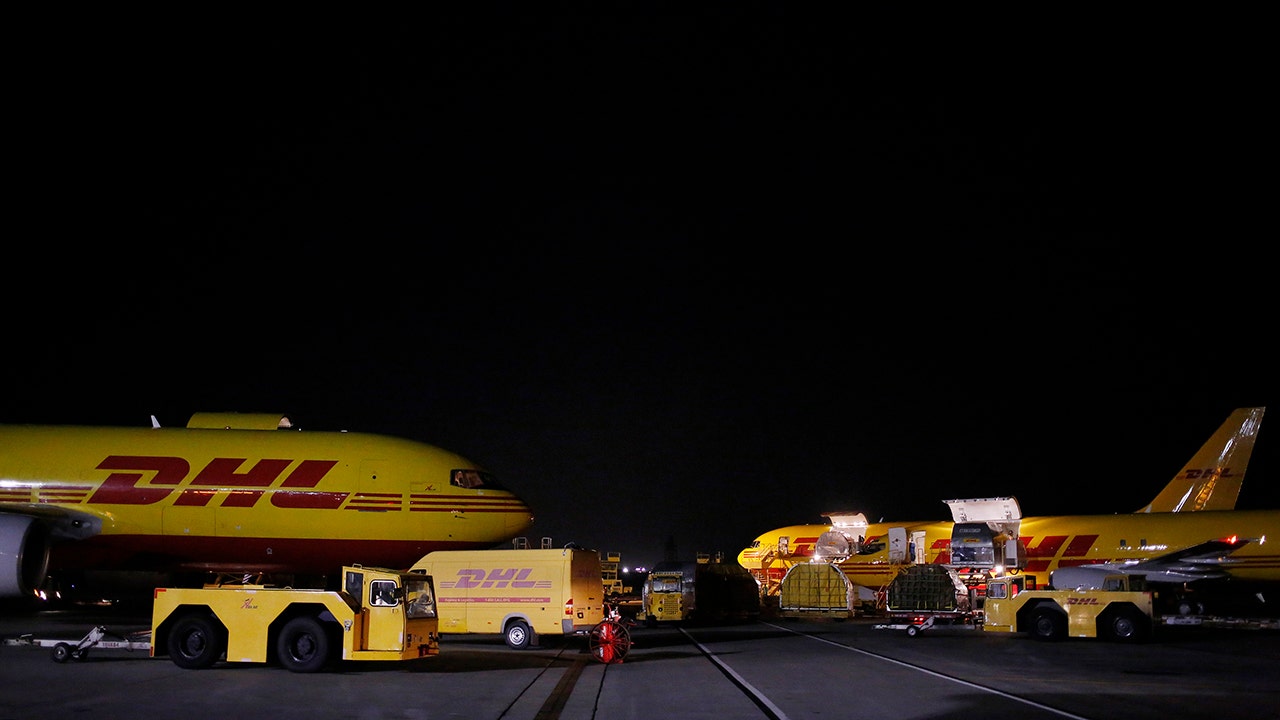
Over 1,100 unionized DHL Express ramp and tug workers at the Cincinnati/Northern Kentucky International Airport have gone on strike to protest unfair labor practices and demand a fair contract. The workers, represented by the International Brotherhood of Teamsters, are seeking improved pay and working conditions. The strike comes after failed negotiations during the summer. DHL Express has implemented contingency plans to minimize service disruptions and claims that the majority of its workers are still operating. The Teamsters have expanded their picket lines to other DHL Express locations in the US.
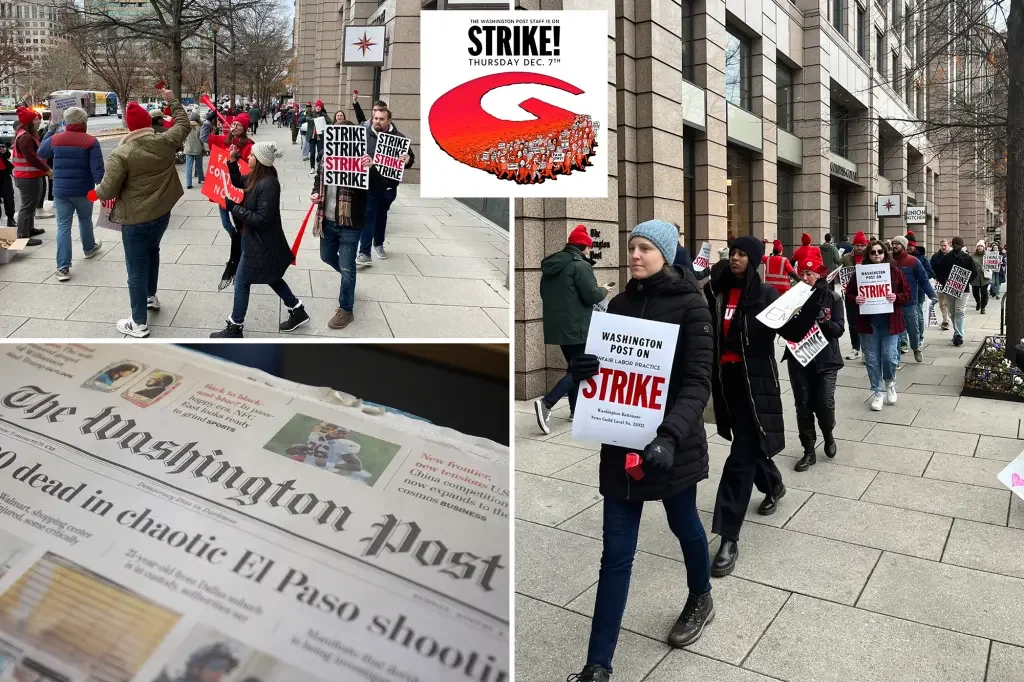
Over 750 unionized staff members at the Washington Post staged a walkout, marking the largest labor protest at the company in 48 years, to protest stalled contract talks. The workers held a day-long picket and rally, urging readers to abstain from purchasing or reading the newspaper in solidarity. The union is seeking pay increases of 4% for the next three years, while the company's latest offer was 2.25% for next year. Other issues include minimum salaries and annual cost-of-living raises. The walkout comes as the company is set to get a new publisher and CEO.
Salaried workers who are not represented by a union can be required to cross a picket line during a labor strike, and refusing to do so may result in termination. However, if white-collar workers are unionized and have a clause in their contract allowing them to not cross a picket line, they are protected. Companies like Ford Motor Co. have been training salaried workers to assume blue-collar jobs in case of a strike, which some experts believe is a smart strategy, while others argue it can damage the relationship between the company and the union. The decision to cross a picket line is often seen as a matter of solidarity among union members, and refusing to do so can have practical and strategic implications in future labor negotiations.
Salaried workers who are not represented by a union can be required to cross a picket line during a labor strike, and refusing to do so may result in termination. However, if white-collar workers are unionized and have a clause in their contract allowing them to not cross a picket line, they are protected. Companies like Ford Motor Co. have been training salaried workers to assume the jobs of blue-collar workers in case of a strike, which has raised concerns about the impact on worker relationships and product quality. The decision to cross a picket line or not can be complicated for families with both white-collar and blue-collar workers, as it may break solidarity or provide necessary income during a work stoppage. Union members often refuse to cross other picket lines out of solidarity and the hope for reciprocity in future strikes.