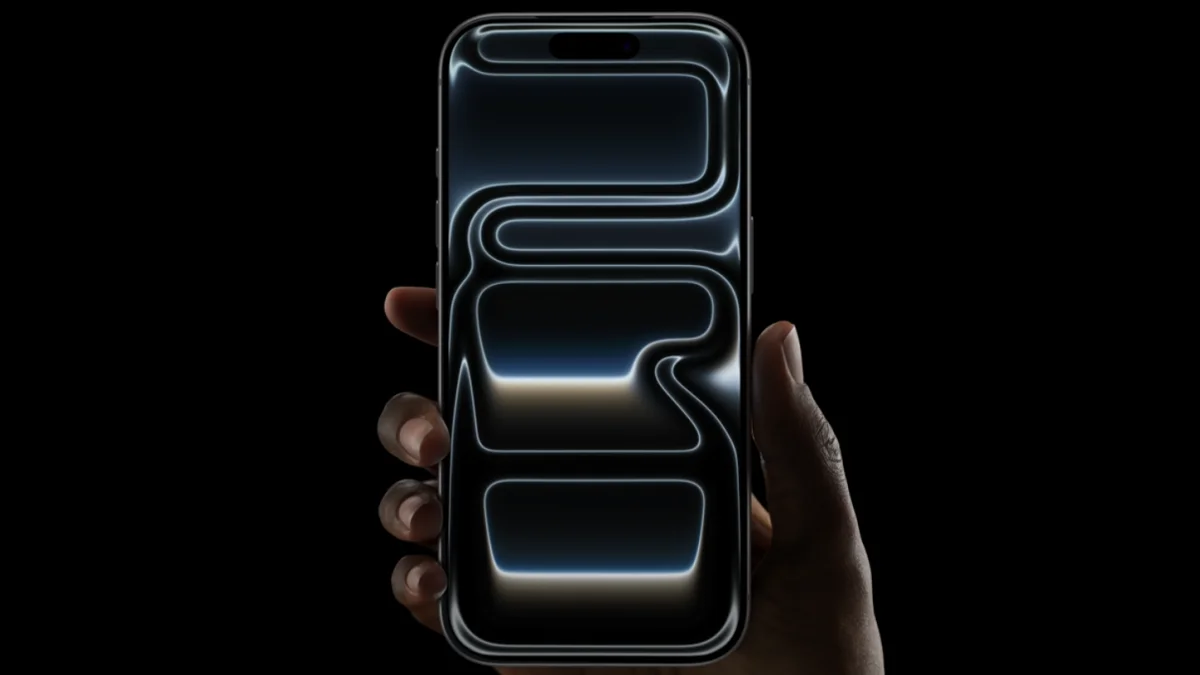
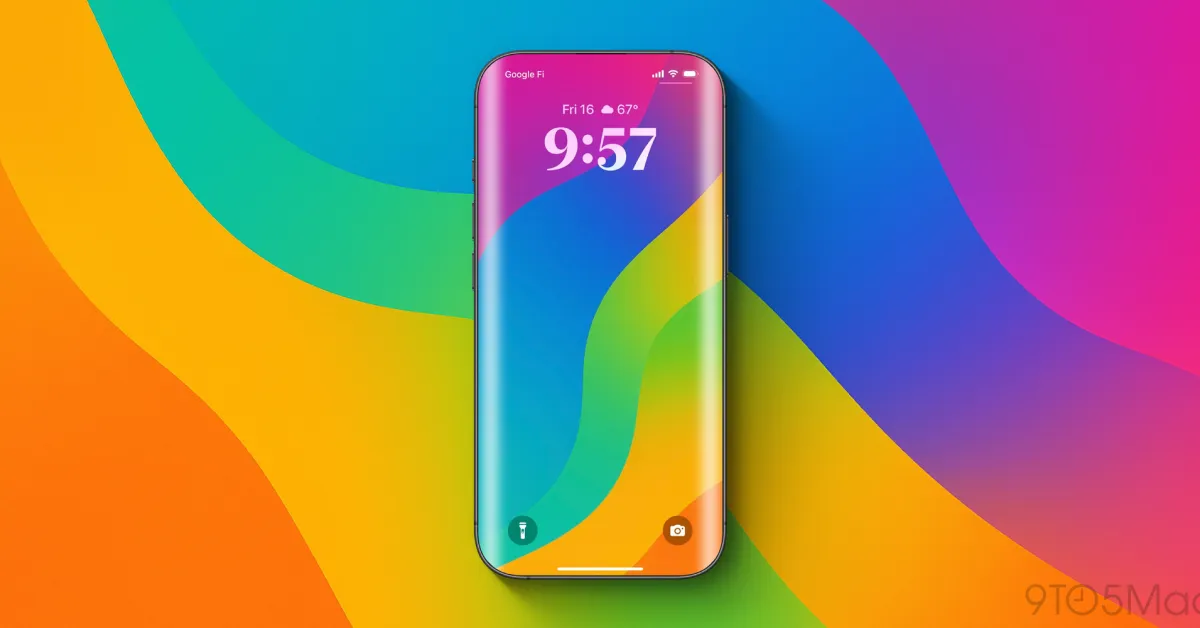
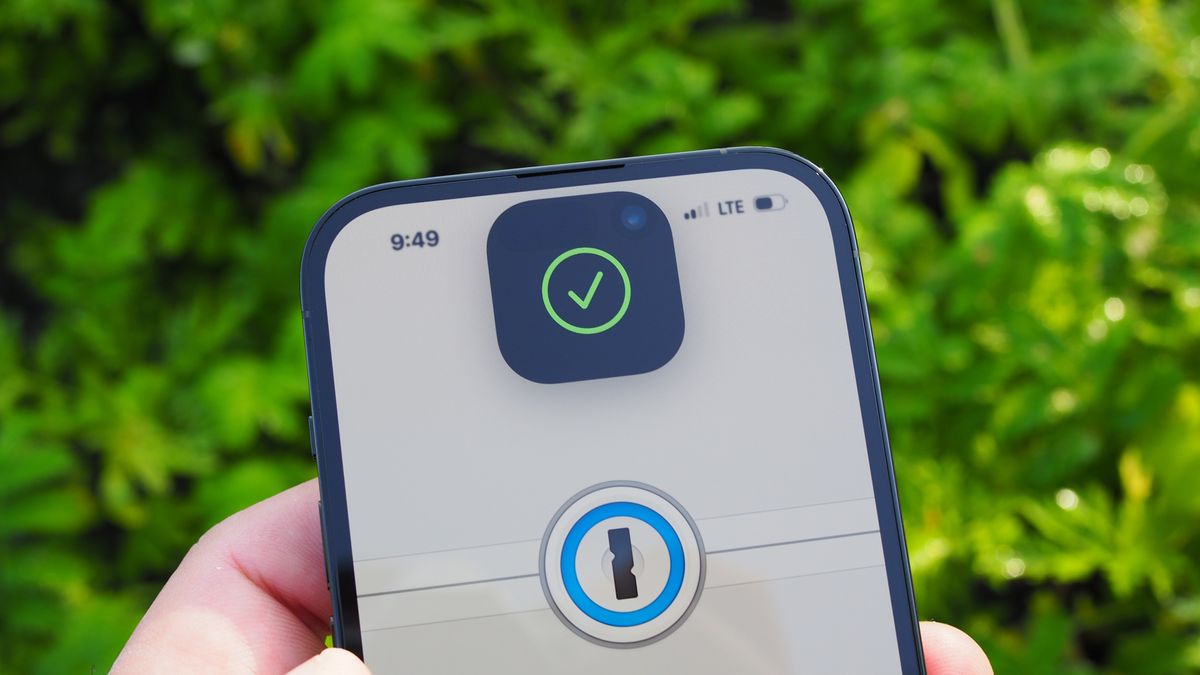
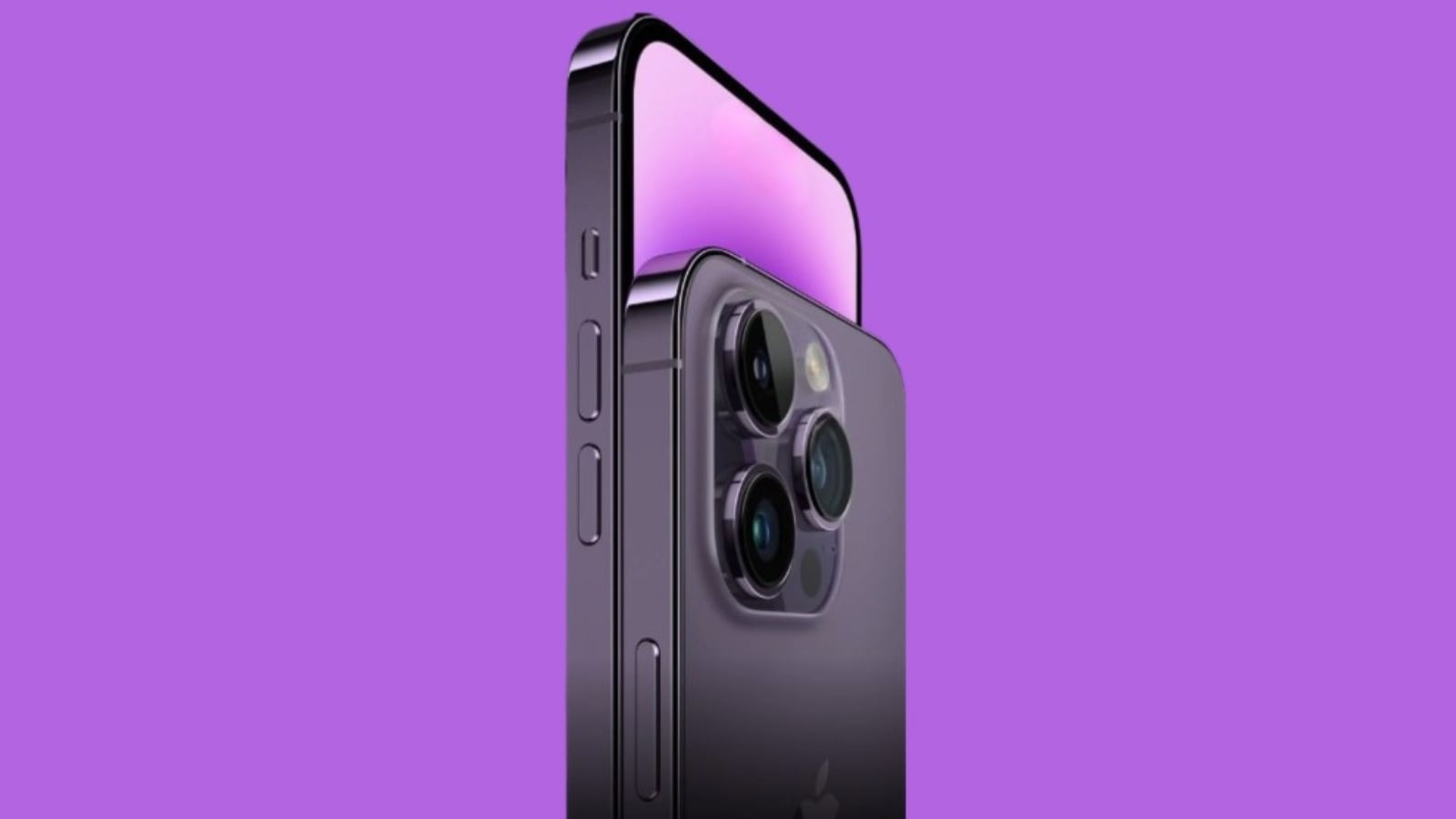
Rumors suggest that Apple may replace the Dynamic Island with an under-display camera in the 2027 iPhone, aiming for a completely bezel-less, all-screen design, though these claims are unconfirmed and based on anonymous leaks.
A leaker suggests that by 2027, the iPhone may feature an all-screen display with both Face ID and the front-facing camera embedded beneath the display, eliminating the need for cutouts, in celebration of its 20th anniversary.
A new report suggests that the 2026 iPhone Fold could be the first iPhone with an all-screen, cutout-free display, featuring under-display front cameras on both its outer and inner screens, marking a significant design evolution for Apple.
Apple may introduce under-display Face ID in the iPhone 16 Pro, as indicated by the company's cessation of orders for current Face ID components and the potential closure of a UK microchip plant. This change, initially rumored for the iPhone 17, could now arrive earlier, suggesting significant updates to the iPhone 16 lineup.
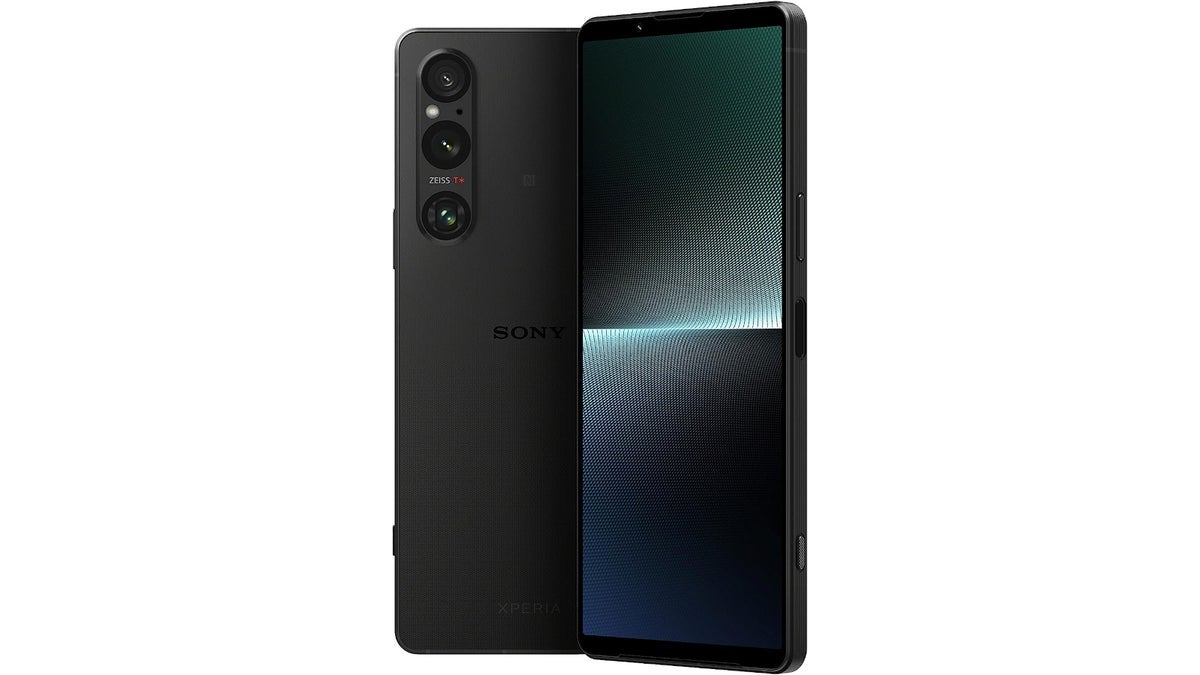
Rumors suggest that Sony may be planning to drop the Xperia name and introduce a new design language for its smartphones in 2025. The company is expected to incorporate an under-display front-facing camera, beating Apple to the feature by two years. Sony's move to revamp its smartphone lineup could help improve its business and reputation in the market, offering devices with great screens, impressive cameras, and other innovative features.
Apple is reportedly developing under-display camera technology for future iPhones, with the iPhone 19 expected to be the first to feature this new feature. The company's Korean suppliers, including LG Innotek, are said to be working on a special lens called 'Preform Optics' to overcome the limitations of under-display cameras, such as reduced light intake. While phones with under-display cameras are already available from brands like ZTE and Samsung, Apple's implementation is not expected until 2027.
Apple's Korean suppliers, LG Innotek and LG Display, have begun developing under-display cameras (UDC) for future iPhones, aiming to achieve a true "all-screen" appearance. The UDC technology sits beneath the display and does not result in a visible hole when the camera is not in use. LG Innotek is developing a special multiple lens system to improve image quality and brightness, while LG Display aims to increase the UDC's light transmittance. Apple is expected to adopt under-panel Face ID technology in 2025 and incorporate the UDC in 2027.
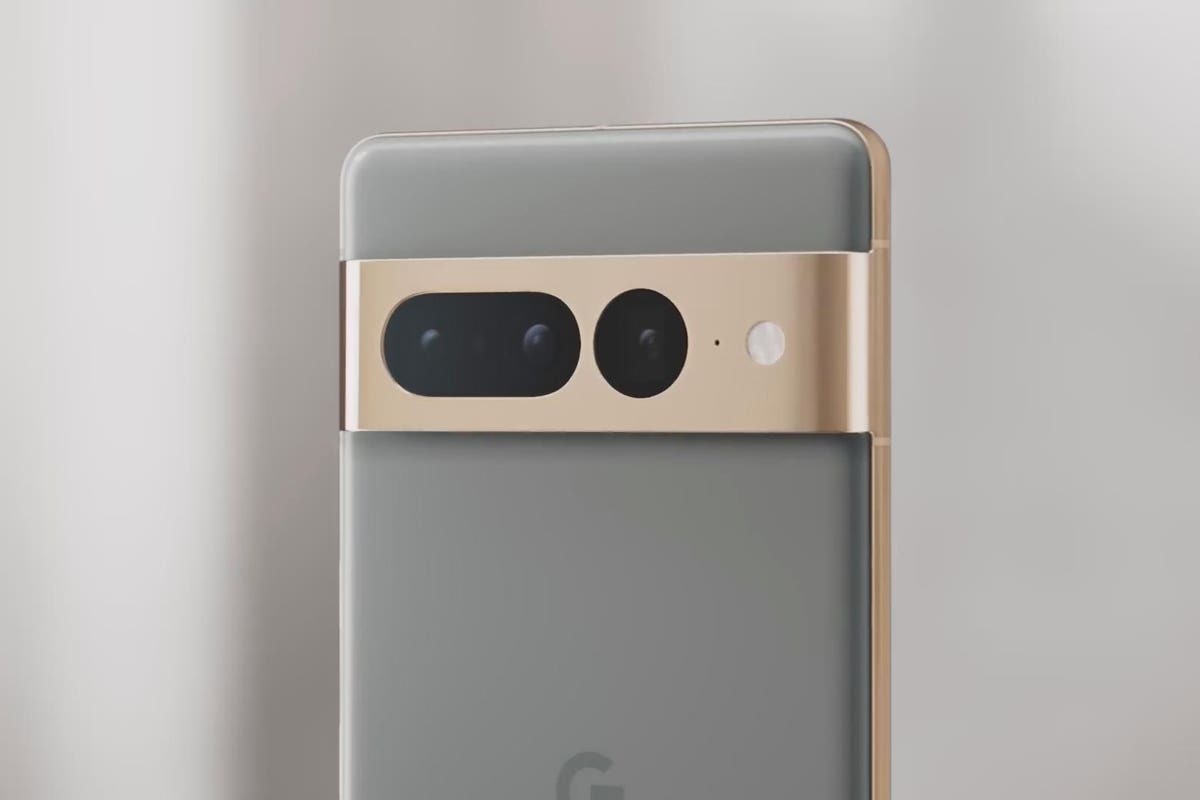
Google has revealed a new under-display camera technology in a recent patent application, which could potentially give its Pixel smartphones an edge over iPhones and Samsung Galaxy handsets. The technology aims to eliminate the notch or "Dynamic Island" from the display, providing users with an uninterrupted full-screen experience. Google's solution involves using specialized regions of the display that block or distort light in different ways, maximizing camera quality. By combining the output from each sensor using digital image processing and machine learning, the negative impact of shooting through a screen is reduced. While there is no guarantee that Google will produce such a camera in the near future, if successful, it could become a compelling reason to choose a Pixel device over an iPhone or Galaxy smartphone.
The upcoming Samsung Galaxy S24 is rumored to retain the same 12MP selfie camera as its predecessor, the Galaxy S23, indicating no significant upgrade in selfie quality. Additionally, the leak suggests that the Galaxy S24 will not feature an under-display camera, as Samsung aims to keep the front screen cut-out as small as possible. Any improvements in selfie quality will likely be software-based. The rear cameras of the Galaxy S24 are also not expected to receive significant upgrades.
The iPhone 17 Pro is rumored to be the first iPhone model to feature Face ID technology under the display, with a circular cutout for the front camera until 2027. The standard iPhone 17 models will adopt ProMotion. However, the Dynamic Island will remain unchanged for three successive generations of iPhone 'Pro' due to "sensor issues". Under-display camera technology has limitations, including visible artifacts and lower image quality compared to traditional cameras.