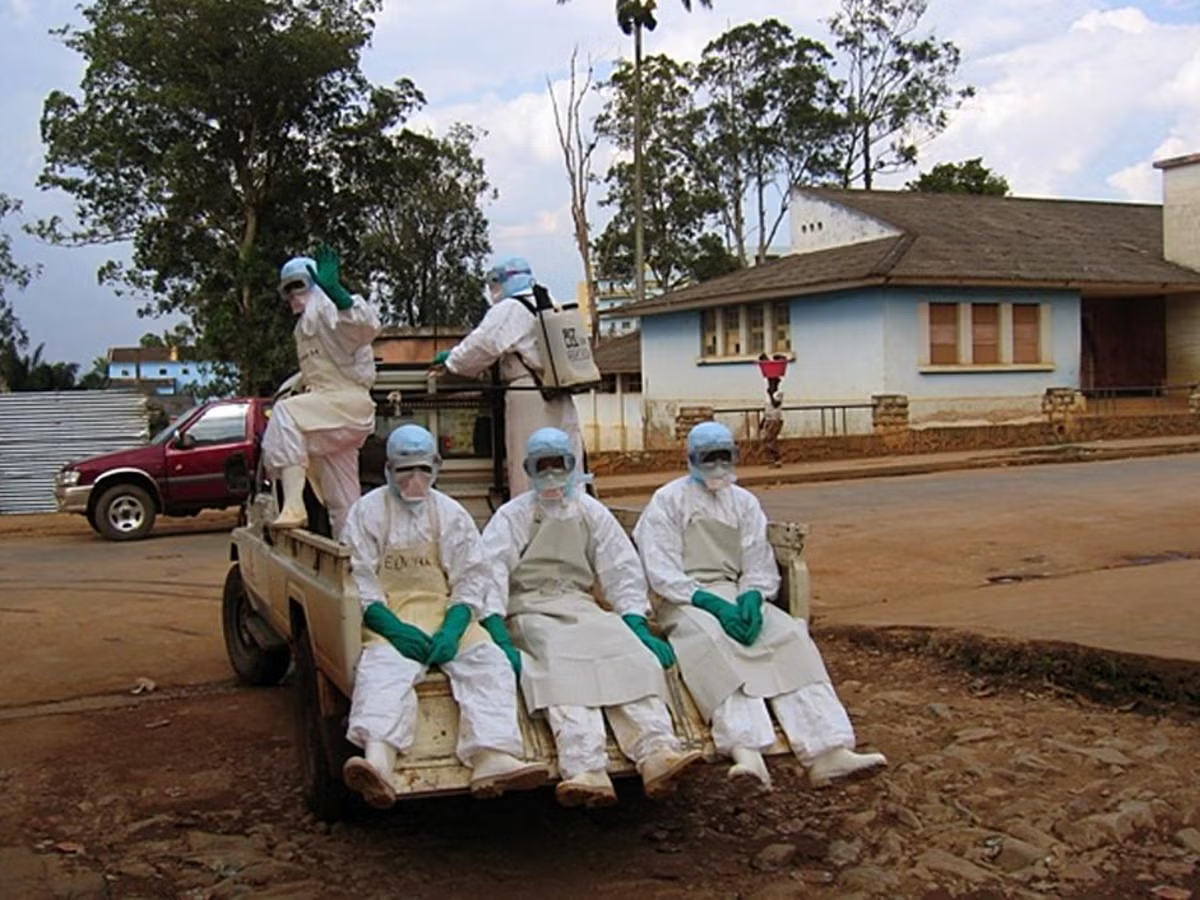
The Marburg virus, also known as "bleeding eye disease," has caused a deadly outbreak in Rwanda, with 66 infections and 15 deaths reported. Related to the Ebola virus, it causes severe bleeding and has a high fatality rate. The World Health Organization has issued travel warnings, and a potential vaccine is under trial. The outbreak appears to be slowing, but the virus remains a global health concern due to its pandemic potential.

Travellers are being cautioned as the Marburg, Mpox, and Oropouche viruses spread across 17 countries, with Marburg, known for causing 'bleeding eyes,' resulting in 15 deaths in Rwanda. Mpox cases have been detected in several African countries and the UK, while Oropouche is spreading in South America and the Caribbean. The UK Health Security Agency advises travellers, especially pregnant and immunosuppressed individuals, to take precautions, as there are no vaccines for these viruses. Symptoms vary but can include fever, rash, and severe complications.
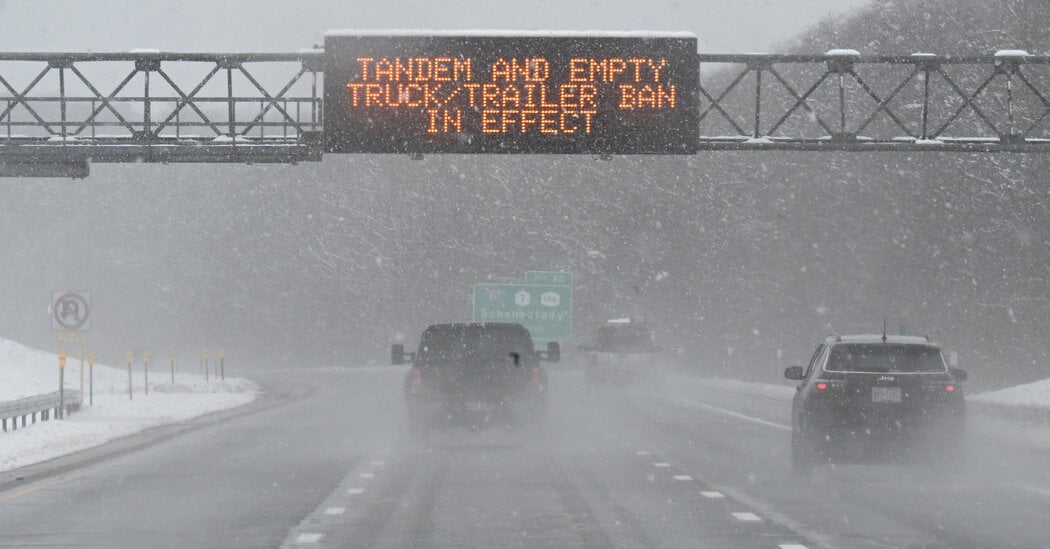
A major winter storm swept through the northeastern United States, delivering heavy snowfall, freezing rain, and strong winds, leading to hazardous travel conditions. Areas in Pennsylvania and New Jersey experienced intense snowfall rates, while New York's Central Park recorded its first significant snow in nearly two years. Officials urged residents to avoid travel and prepare for potential power and fuel supply issues. The storm's impact varied across the region, with some areas receiving more snow than others. Another storm system is forecasted to bring warmer temperatures and the potential for heavy rain and flooding later in the week.
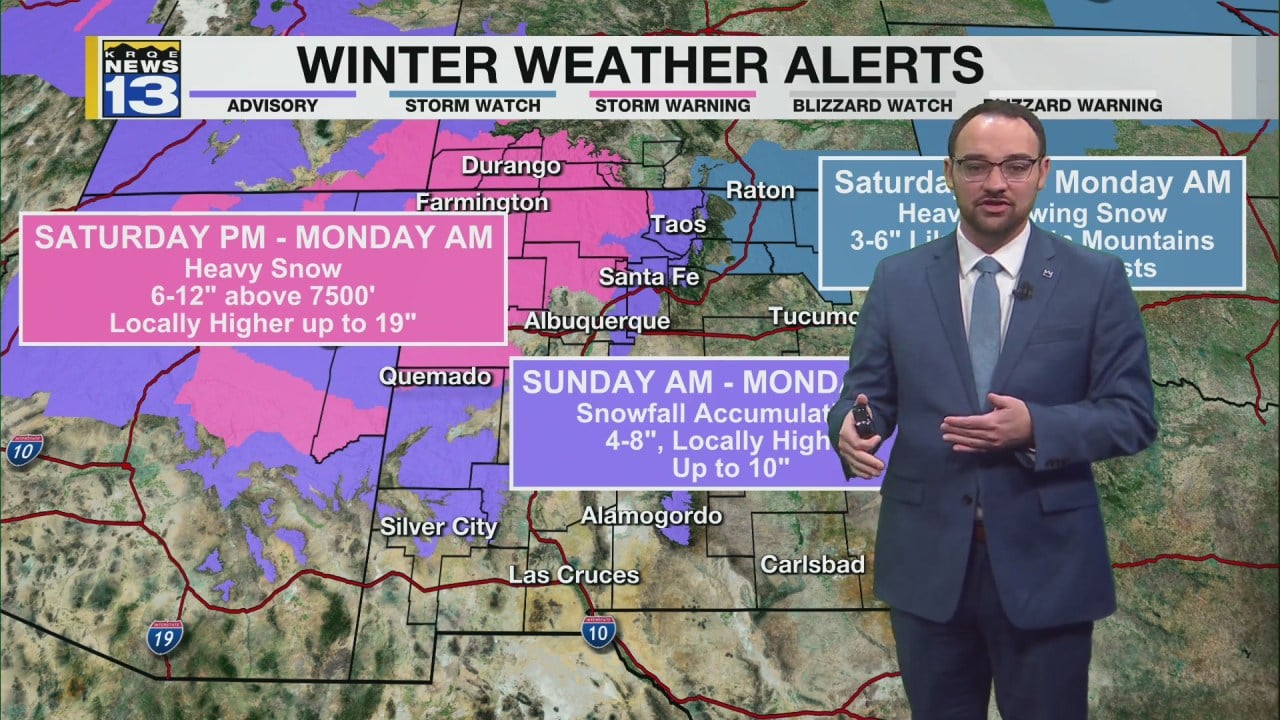
New Mexico is bracing for a significant snow storm and a surge of arctic air starting early Sunday morning, which is expected to bring blizzard-like conditions, particularly in the northeast, and dangerously low wind chills reaching 10 to 25 degrees below zero by early Tuesday. Residents are advised to prepare for extreme cold and potential travel disruptions due to poor visibility and snow-covered roads.
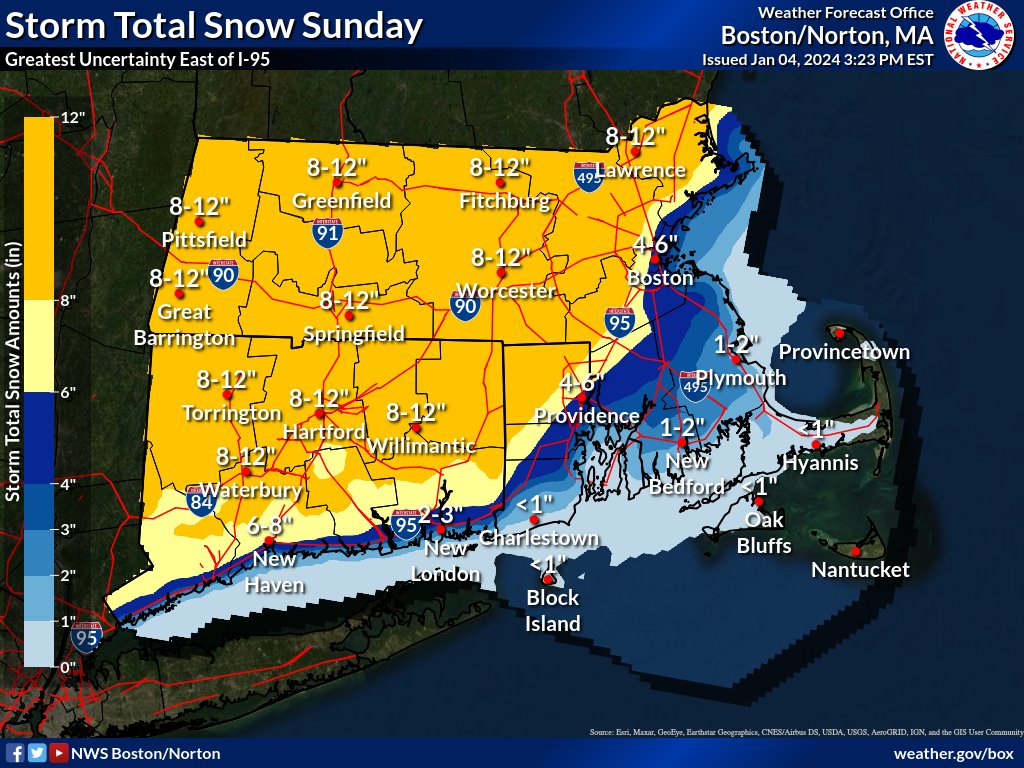
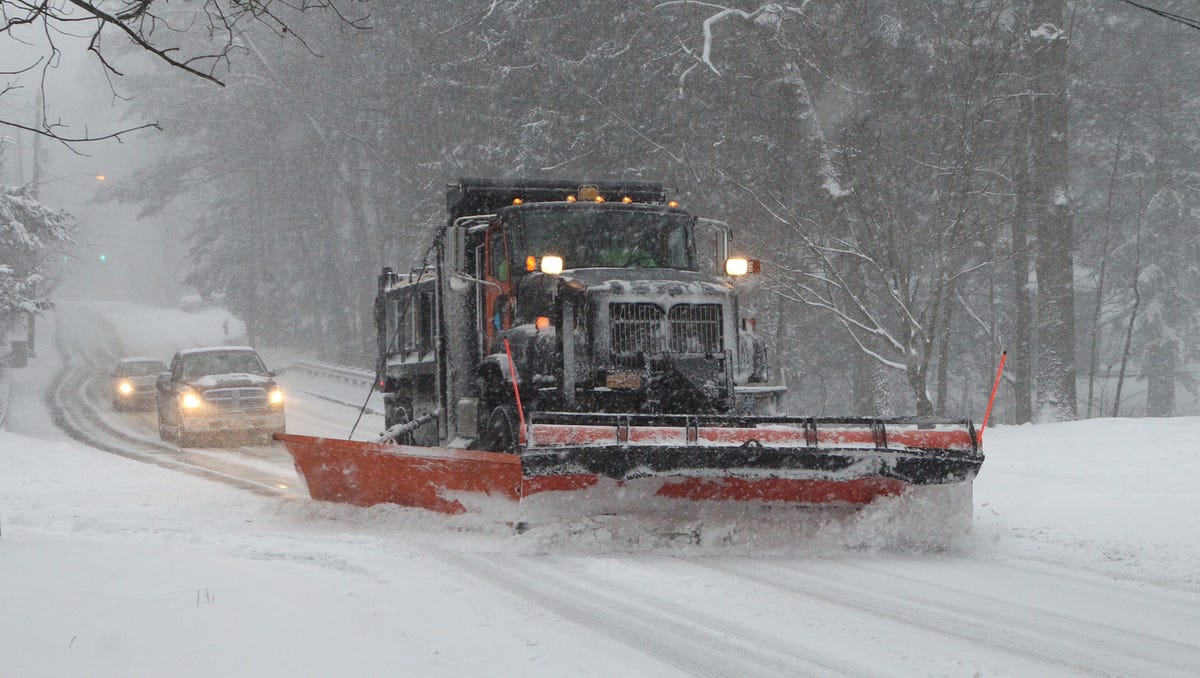
Connecticut is bracing for a significant snowstorm, the first major one in two years, with up to a foot of snow expected in some areas. Officials, including Hartford Mayor Arunan Arulampalam and Governor Ned Lamont, are urging residents to avoid travel and stay off the roads to allow snowplows and emergency services to operate effectively. Parking bans are in place, and residents are advised to prepare with emergency kits and stay informed about the weather conditions. The National Weather Service has issued a Winter Storm Warning, emphasizing the potential for heavy snowfall and difficult travel conditions.
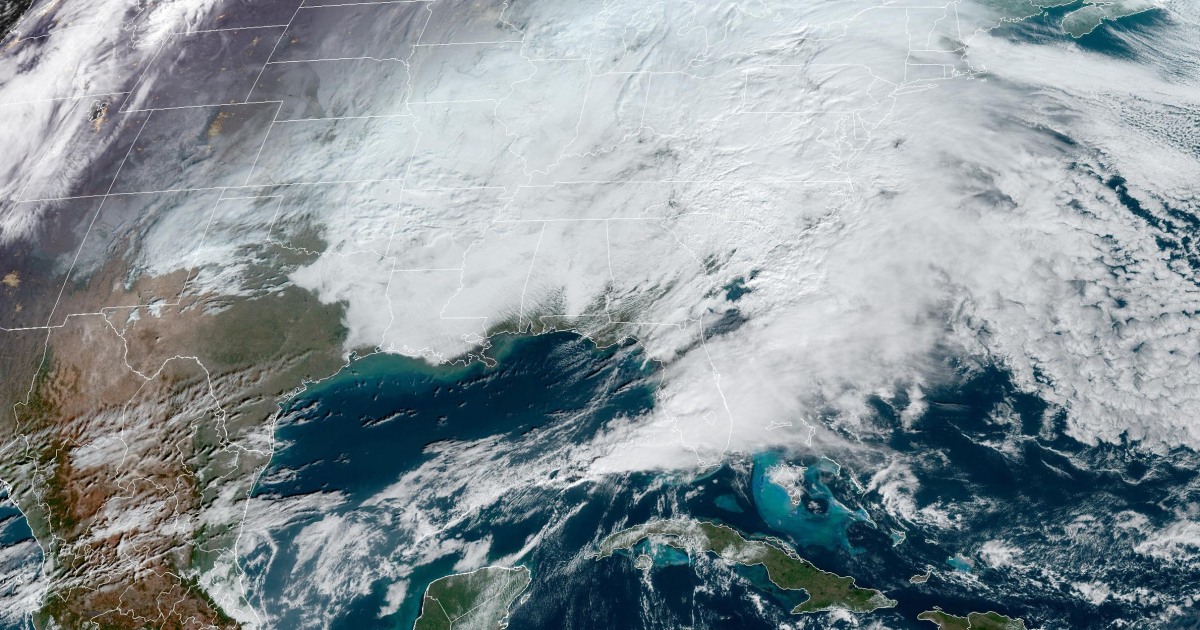
A significant winter storm is forecasted to hit the Northeast over the weekend, bringing snow and rain to areas that have not experienced substantial snowfall in years. Regions like the Poconos, Hudson Valley, and parts of New England are expected to see the heaviest snow. Winter storm warnings and watches are in place, with schools and offices closing in anticipation. Transportation departments are urging caution and limiting travel. Record snowfall droughts in cities like Philadelphia, New York City, and Baltimore may end with this storm. The National Weather Service has issued advisories and warnings, with potential for snow-covered roads and power outages.
The Hudson Valley region is bracing for a significant winter storm from Saturday evening to Sunday evening, with a winter storm watch in effect for southeast New York, northeast New Jersey, and southern Connecticut. Snowfall could reach up to 10 inches in some areas, with lighter amounts in Southern Westchester and New York City. The storm may bring heavy snow, potential freezing rain, and difficult travel conditions, with downed tree limbs and power lines, as well as minor coastal flooding possible.
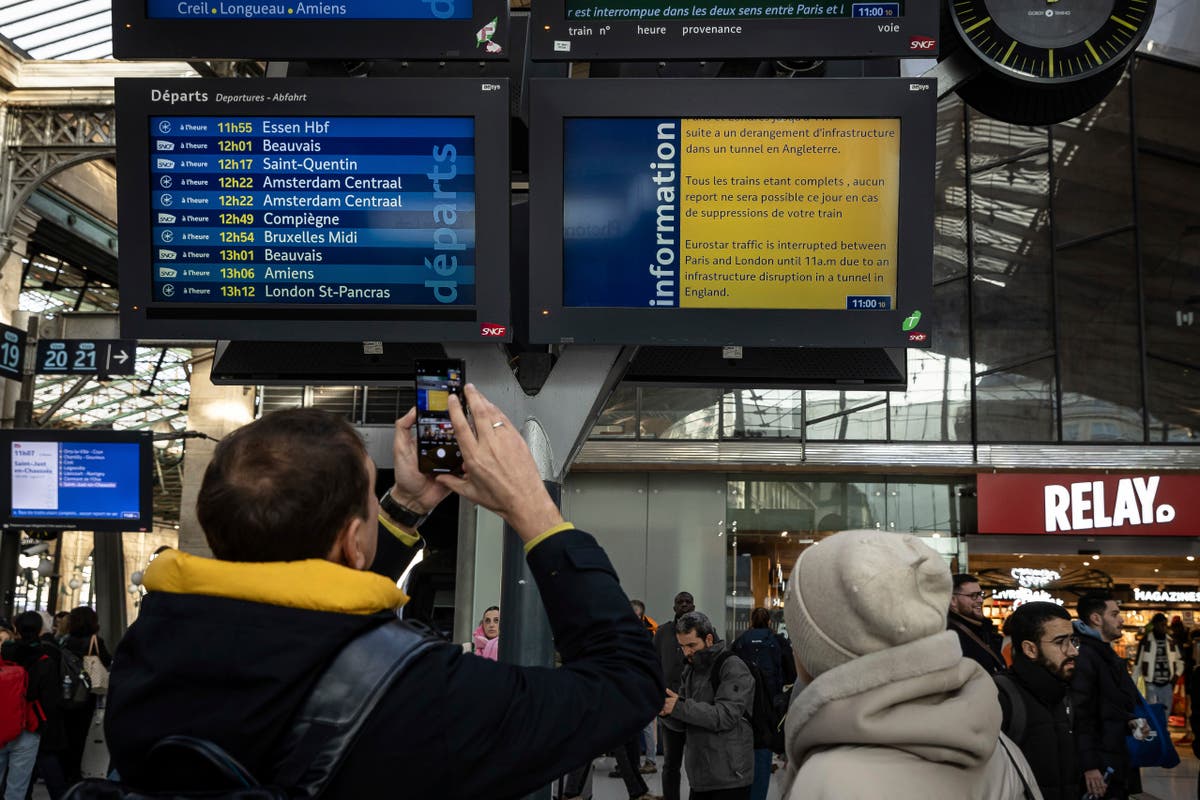
New Year's Eve travel plans for many passengers were disrupted due to hundreds of train cancellations across the UK, caused by flooding and staff shortages. Eurostar customers experienced additional chaos with resumed services unable to accommodate the backlog of 36,000 passengers from previous cancellations. Northern Trains advised against travel on several routes, and long-distance and local services faced widespread cancellations. The Met Office issued weather warnings, anticipating further travel disruptions due to wind and rain.