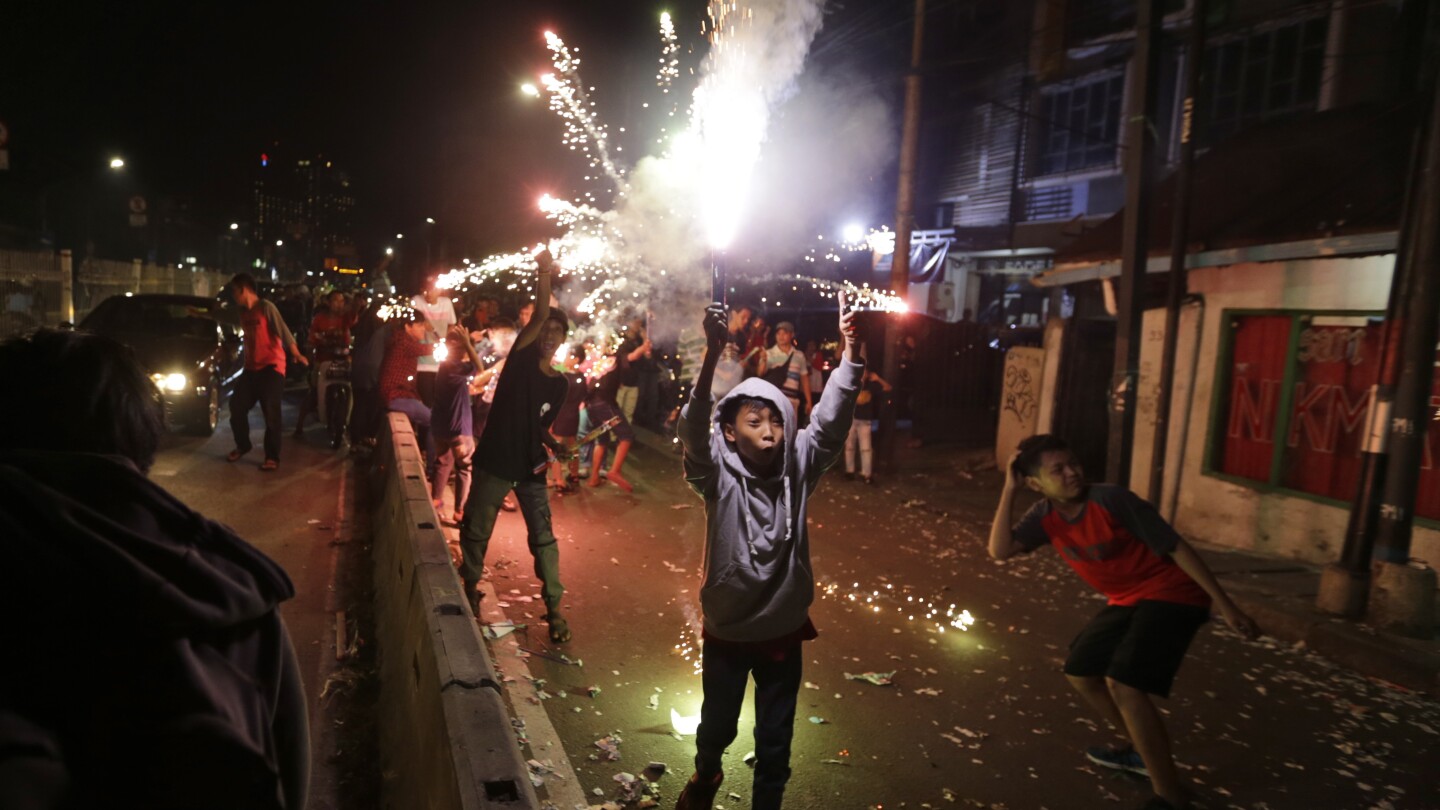
The article explores how New Year’s Eve has become a major holiday for Eastern European communities in the U.S., serving as a secular celebration rooted in historical suppression of religious holidays like Christmas, and highlighting vibrant cultural traditions, community gatherings, and the significance of this holiday for maintaining cultural identity among immigrants.
The article explores the origins and traditions of wassailing and Christmas carols, highlighting 'The Gloucestershire Wassail' as a centuries-old English song about groups singing at manor houses in exchange for food and drink, and explains the historical and linguistic roots of 'wassail' and the differences between carols and hymns.
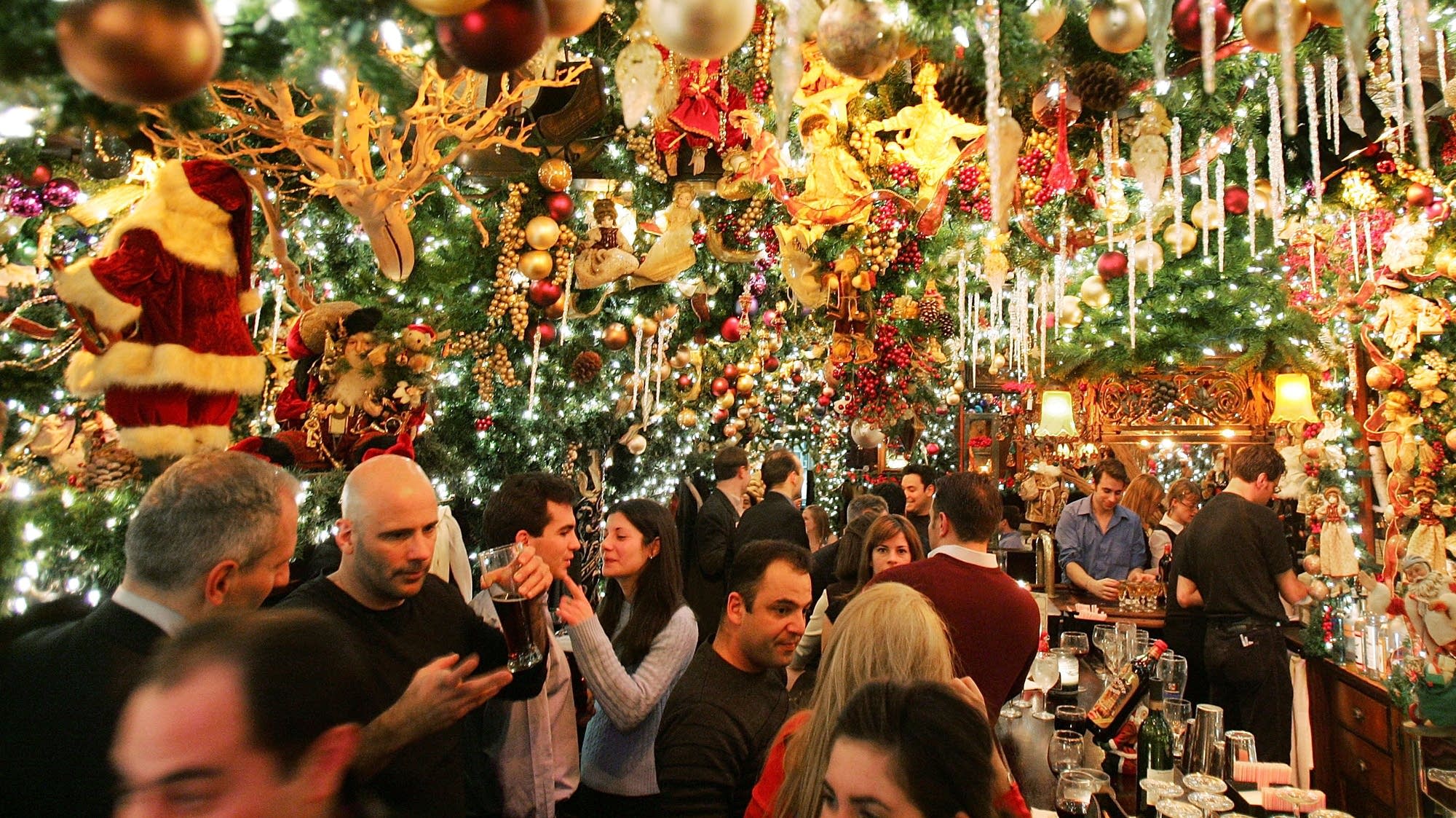
Londoners celebrate Christmas through a blend of diverse cultural traditions, incorporating elements from Hindu, Muslim, Jewish, Christian, and other backgrounds, emphasizing family, togetherness, and shared festivities across different faiths and cultures.
Celebrities are personalizing their Christmas trees to reflect their unique stories and traditions, from Dia Mirza's sustainable approach to Trisha Krishnan's tribute to her late pet, showcasing a range of heartfelt and creative holiday decorations.
The article shares insights from various TV insiders about their Christmas viewing traditions, highlighting their favorite films, shows, and unique family customs, such as watching 'It’s a Wonderful Life,' 'The Box of Delights,' and 'Strictly Come Dancing,' as well as personal anecdotes and nostalgic memories associated with holiday TV.
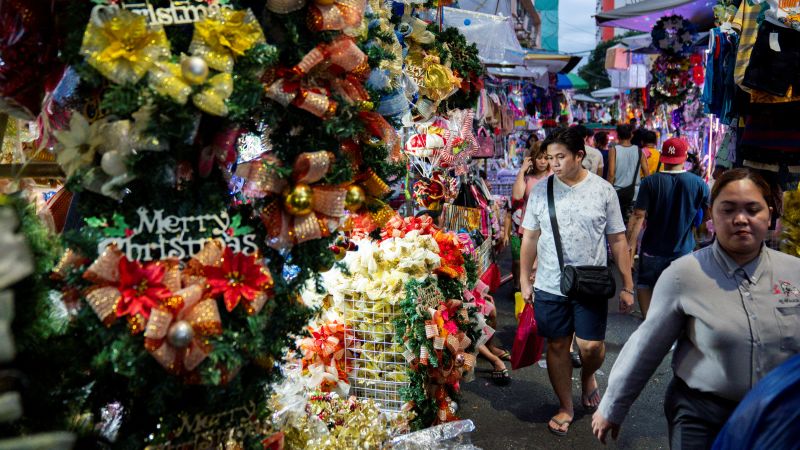
The Philippines celebrates the longest Christmas season in the world, starting as early as September and lasting until January, with elaborate decorations, family reunions, traditional foods, and religious observances rooted in Christianity, reflecting the Filipino love for celebration and community.
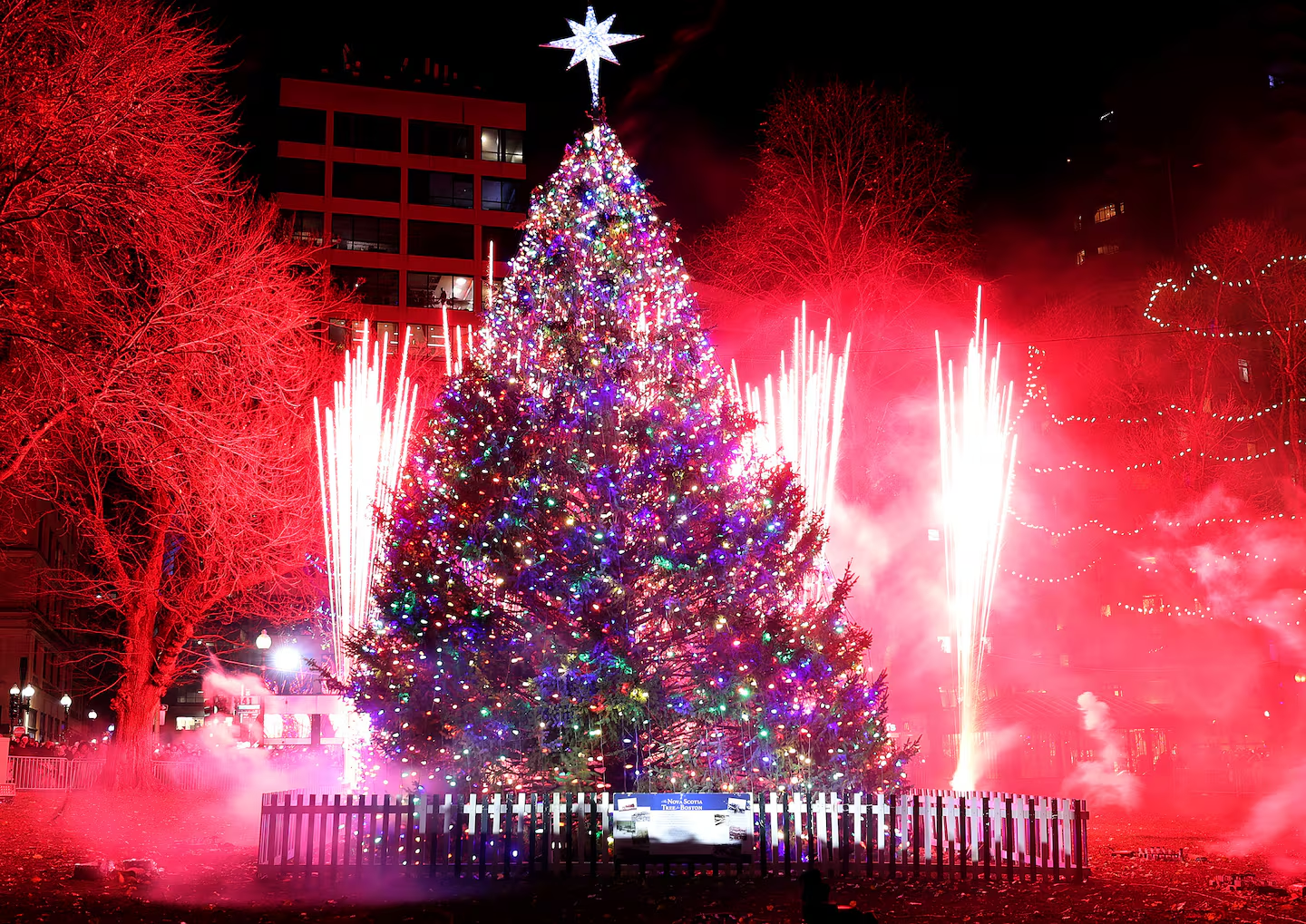
Christmas has evolved from a Christian religious holiday into a widely celebrated cultural event worldwide, incorporating various traditions such as gift exchanges, decorating trees, and unique customs like eating Kentucky Fried Chicken in Japan, with origins rooted in Christian history and influenced by cultural adaptations.
German cities, especially Berlin, experience chaotic and war zone-like scenes on New Year’s Eve due to intense fireworks, despite regulations banning traditional lead divination and ongoing cultural traditions like watching 'Dinner for One.'
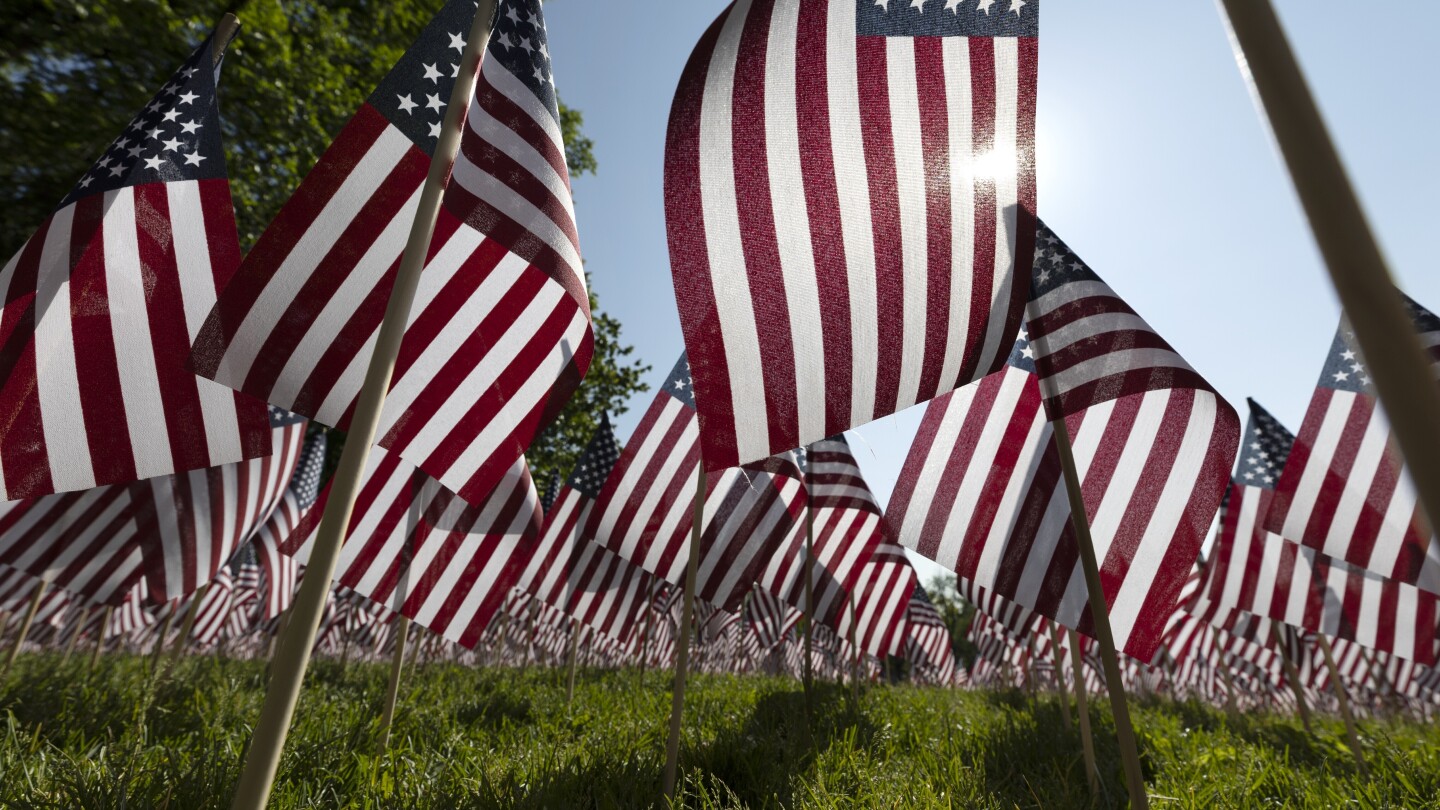
Memorial Day, originally a day to honor fallen U.S. service members, has evolved into the unofficial start of summer, marked by sales and leisure activities. Its origins date back to the Civil War, with various communities claiming to be the first to observe it. The holiday has faced criticism for drifting from its original purpose, and its significance has changed over time, especially with the introduction of Veterans Day. Despite its commercialization, many still observe Memorial Day with deep personal significance, remembering those who sacrificed their lives.
Muslims around the world will celebrate Eid al-Fitr on Wednesday, April 10, marking the end of Ramadan. With approximately 1.9 billion Muslims globally, Eid is celebrated in various languages and traditions. The most common greetings include "Eid mubarak" and "Eid sa’id," with celebrations typically involving prayer services, visiting relatives, and exchanging sweets. Indonesia, Pakistan, India, Bangladesh, and Nigeria have the highest Muslim populations, and the holiday duration varies by country.
Eid al-Fitr is an Islamic holiday marking the end of Ramadan, celebrated with congregational prayers, family visits, and new clothes. It is expected to occur around April 10 this year. Traditions include homecoming journeys, seeking forgiveness, and giving money to children. In Egypt, families partake in Eid prayers, visit relatives, and children receive traditional cash gifts. In the United States, Muslims come together for prayers and festivals featuring fun activities for children and families.
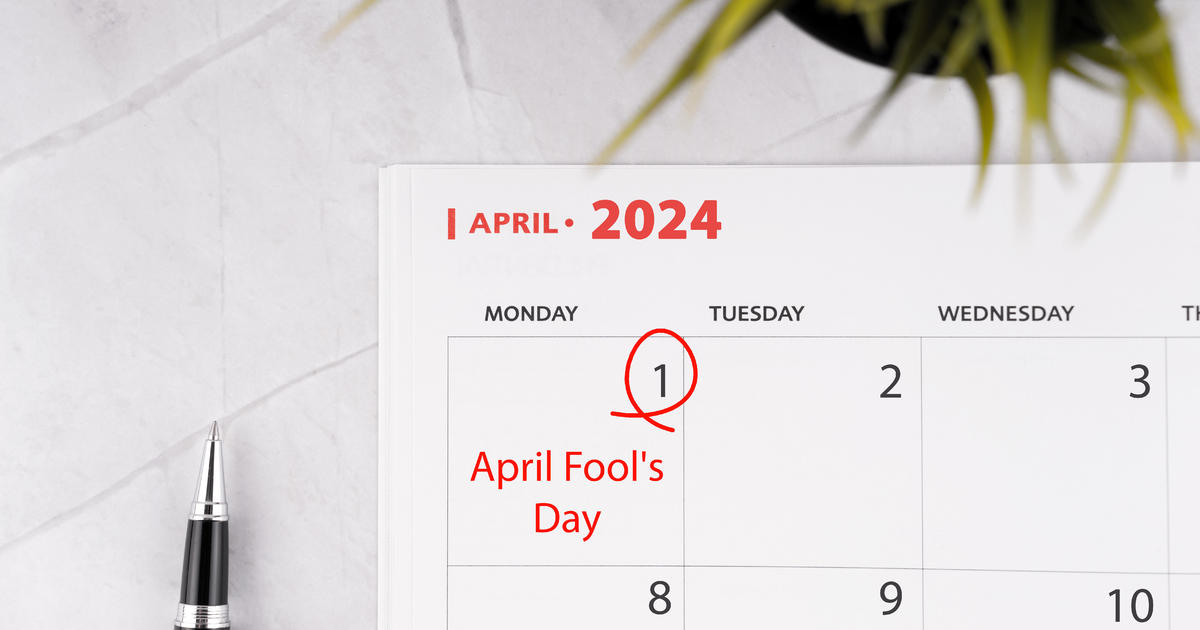
The exact origins of April Fools' Day remain uncertain, with theories linking it to Roman times and a calendar change in 1582 in France. Some famous pranks include the BBC's spaghetti harvest broadcast in 1957, a 2008 report on flying penguins, and Taco Bell's 1996 claim of buying the Liberty Bell. Additionally, in 1997, "Jeopardy" host Alex Trebek and "Wheel of Fortune" host Pat Sajak swapped places as an April Fools' Day joke, and in 2015, Netflix shared faux public service announcements to remind viewers to "Binge Responsibly."
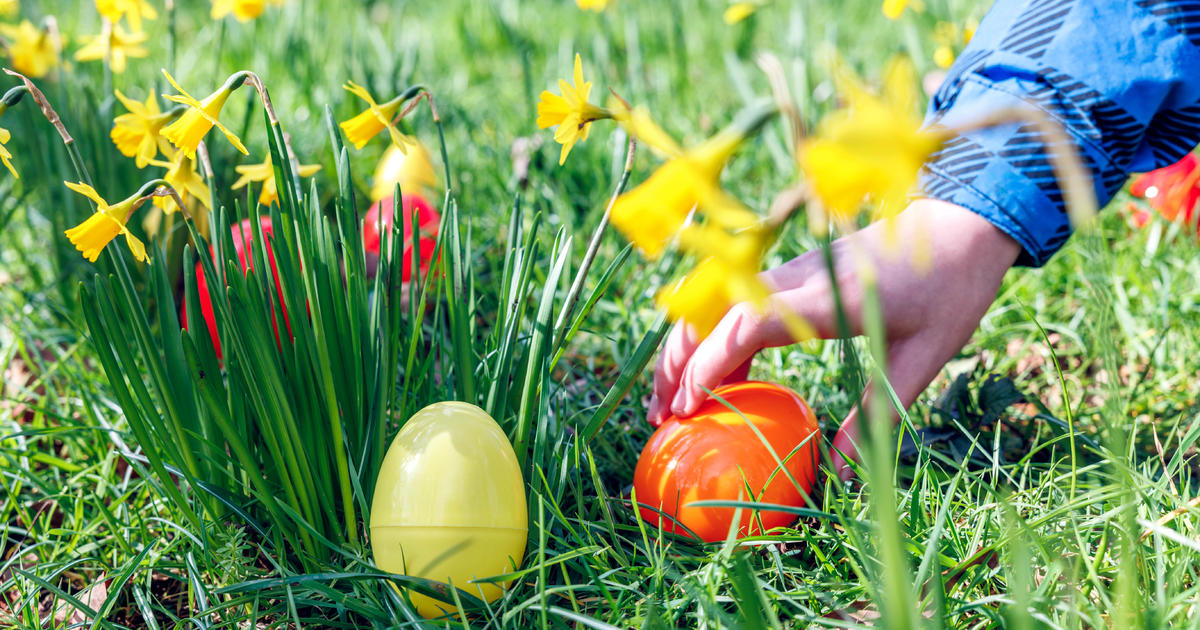
Many retailers and restaurants will be open on Easter Sunday, including Albertson, Barnes & Noble, Walmart, and various restaurants like Applebee's and Olive Garden. Some places will have special hours, while others such as Aldi, Apple, and Costco will be closed. It's recommended to check with specific locations for their Easter Sunday operating hours.
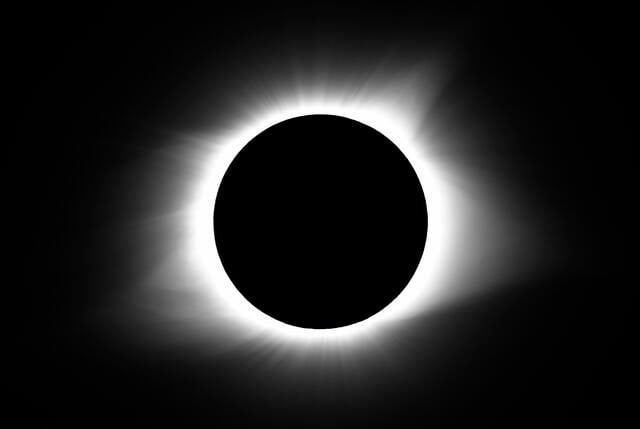
Solar eclipses have been associated with various superstitions and cultural beliefs throughout history, with people following traditional precautions to avoid misfortune. From wearing red underwear to covering wells and turning dishes upside down, different cultures have developed unique rituals to protect against eclipse-related harm. While some view eclipses as a time of renewal, others see them as omens of political downfall, disease, or enemy invasions. Despite these superstitions, the science of predicting eclipses has grown more precise over the years, and in some cases, eclipses have even inspired peaceful resolutions to armed conflicts.
St. Patrick's Day, originally a religious holiday commemorating the patron saint of Ireland, has evolved into a global celebration of Irish culture. Despite popular misconceptions, St. Patrick was not Irish, his original color was blue, and his real name was Maewyn Succat. The holiday's association with green and parades began in America, not Ireland, and it was originally a day of religious observance before becoming a day of drinking, feasting, and parades.