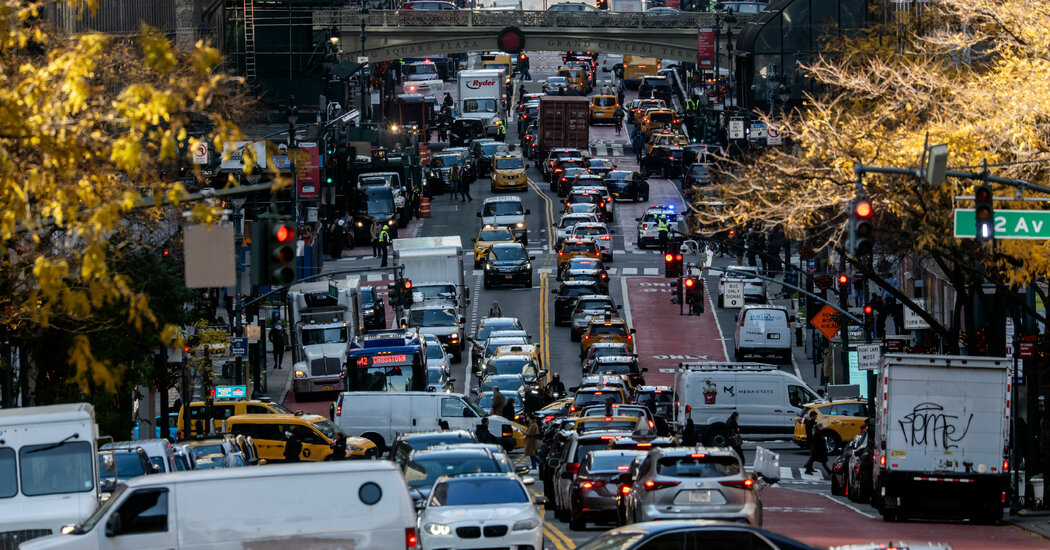
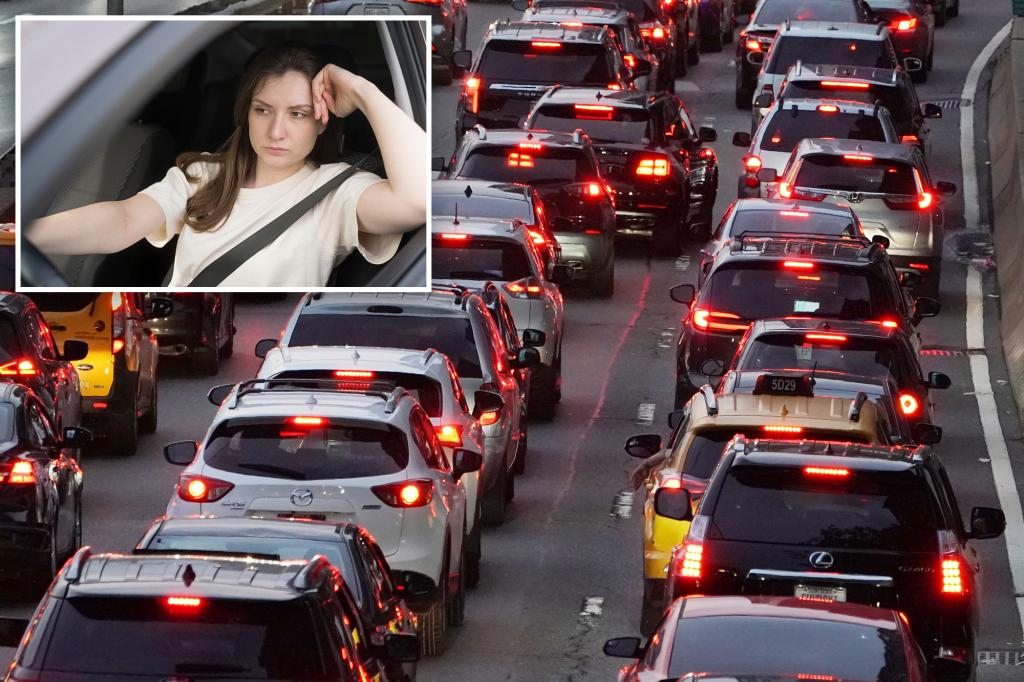
New York City is set to implement a congestion pricing plan, introducing a $9 toll for vehicles entering certain parts of Manhattan. This initiative aims to reduce traffic congestion and pollution while generating revenue for public transportation improvements.
The MTA board has approved a $15 toll for drivers entering Manhattan's busiest streets, set to be enforced in June, despite public criticism and legal challenges. The tolls will vary for different vehicle types and times of entry, with the aim of reducing congestion and generating revenue for transit upgrades. Critics argue that the toll could unfairly target some drivers and push traffic and pollution into other areas, leading to lawsuits from New Jersey Governor Phil Murphy and labor unions.
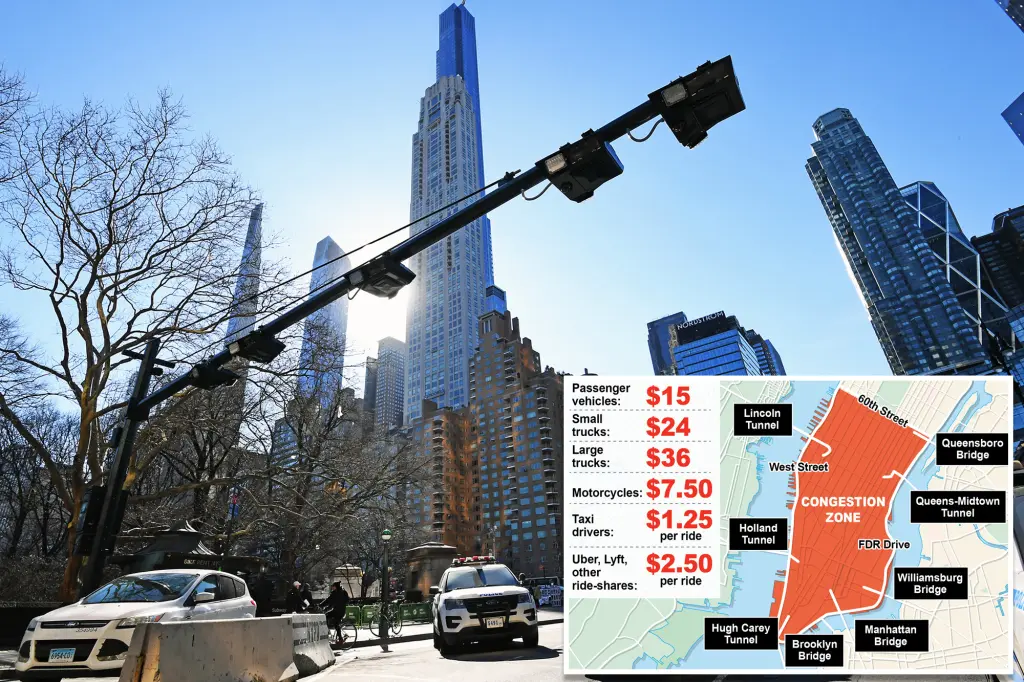
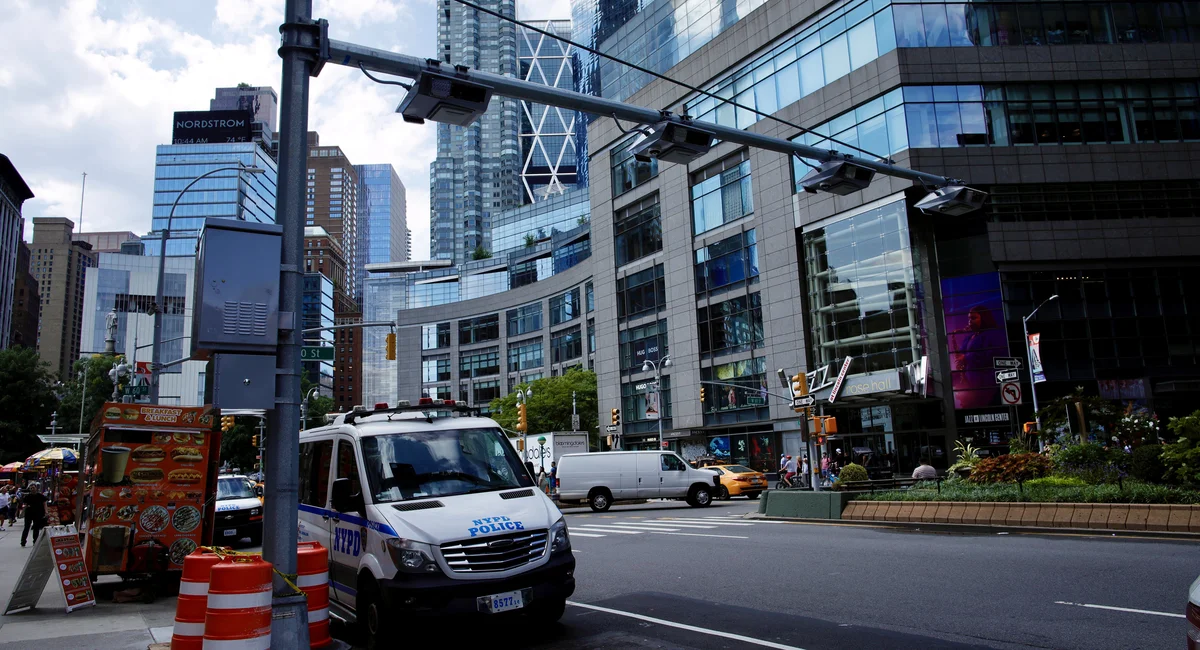
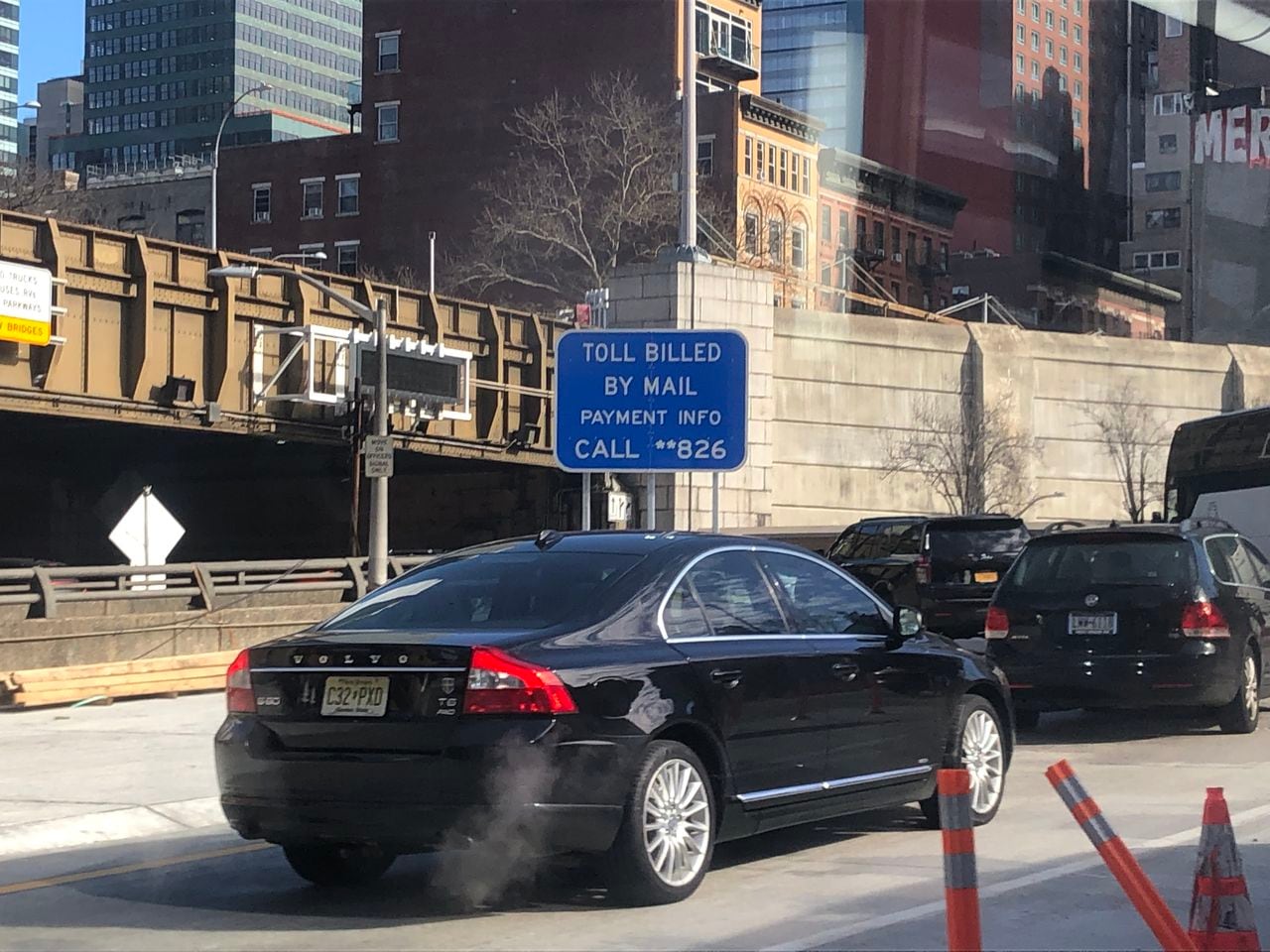
Congestion pricing in NYC is set to start as early as mid-June, with drivers entering Manhattan below 60th Street being charged a fee, ranging from $15 for passenger vehicles to $36 for large trucks during peak hours. The toll will be automatically charged to E-ZPass holders, while others will receive a bill. Exemptions include emergency vehicles, vehicles transporting people with disabilities, and government automobiles involved in public works. The program aims to reduce traffic, travel time, and emissions, with the revenue being used to upgrade transport infrastructure.
New York City is set to implement a $15 congestion pricing toll for drivers entering Midtown Manhattan in mid-June, with the aim of reducing congestion and raising $1 billion annually for subway and bus system upgrades. The toll will vary based on vehicle type and time of day, and will be collected via E-ZPass or mailed bills. Some vehicles, such as emergency and government vehicles, will be exempt. Critics argue that the plan is a cash grab and may divert traffic to outer boroughs, while the MTA defends it as a means to improve public transportation infrastructure.
New York City's congestion pricing plan, which will charge drivers a toll for entering much of Manhattan below 60th Street, is facing criticism from various groups. Opponents worry about increased costs for commuters, potential traffic congestion in other areas, and negative impacts on low-income drivers and taxi drivers. However, supporters argue that congestion pricing will reduce traffic and pollution, improve the transit system, and provide crucial funding for mass transit improvements. The plan, which proposes toll rates for cars, commercial trucks, taxis, and ride-hail apps, is expected to begin next spring pending public hearings and a final vote.
New York City drivers may face a $15 toll to enter Manhattan's busiest streets under a congestion pricing proposal expected to be filed with MTA officials. The Traffic Mobility Review Board (TMRB) is set to recommend the fee for passenger cars, pickup trucks, and SUVs driving south of 60th Street between 5 a.m. and 9 p.m. on weekdays, and from 9 a.m. to 9 p.m. on weekends. The toll would only be charged once per day, with a $5 discount during peak traffic hours for motorists using the Hudson and East River tunnels. The congestion pricing program is scheduled to begin in May 2023.
The MTA panel is expected to recommend a $15 congestion pricing toll for drivers entering Manhattan below 60th Street during most hours of the day. The plan includes a $15 fee for passenger vehicles, with discounts for overnight hours and tunnel crossings, and higher tolls for trucks. Taxis and app-based for-hire vehicles will also have surcharges. Low-income drivers will receive a 50% discount for the first 10 trips each month, and publicly-owned vehicles for public work will be exempt. The tolls are expected to be implemented in mid-2024 and are required to generate $1 billion annually for MTA infrastructure upgrades.
New York's congestion pricing plan is closer to implementation as federal officials accepted an environmental assessment and the MTA is on the verge of receiving a "Finding of No Significant Impact." A traffic advisory panel will then decide on extending credits towards a congestion fee for tolls paid and exemptions for certain groups.