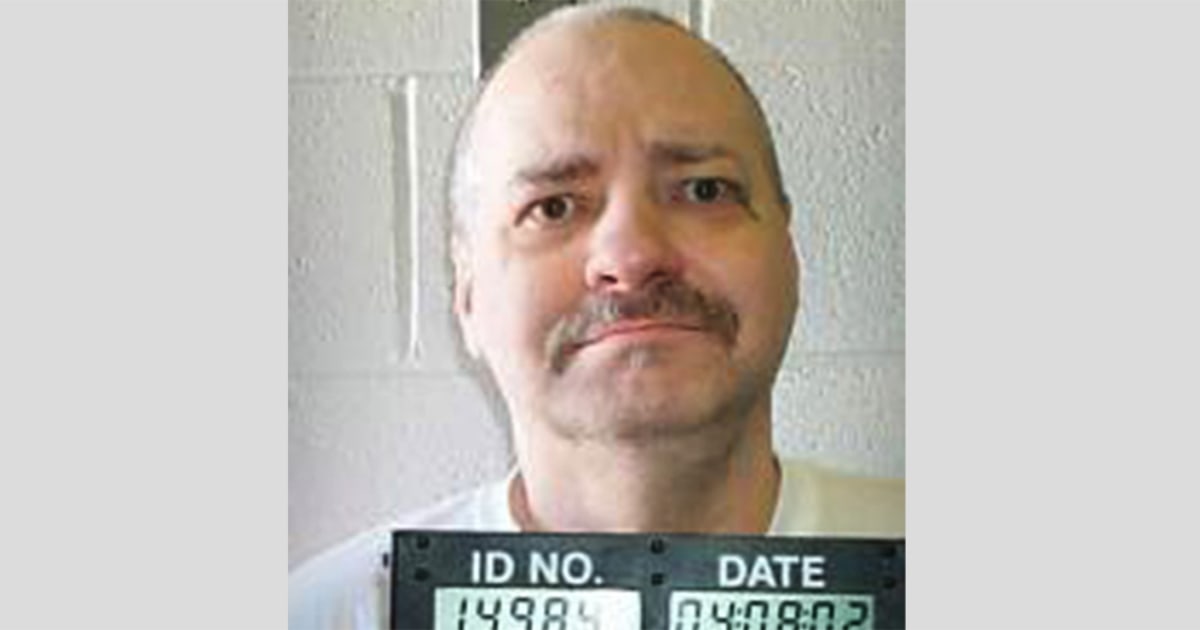
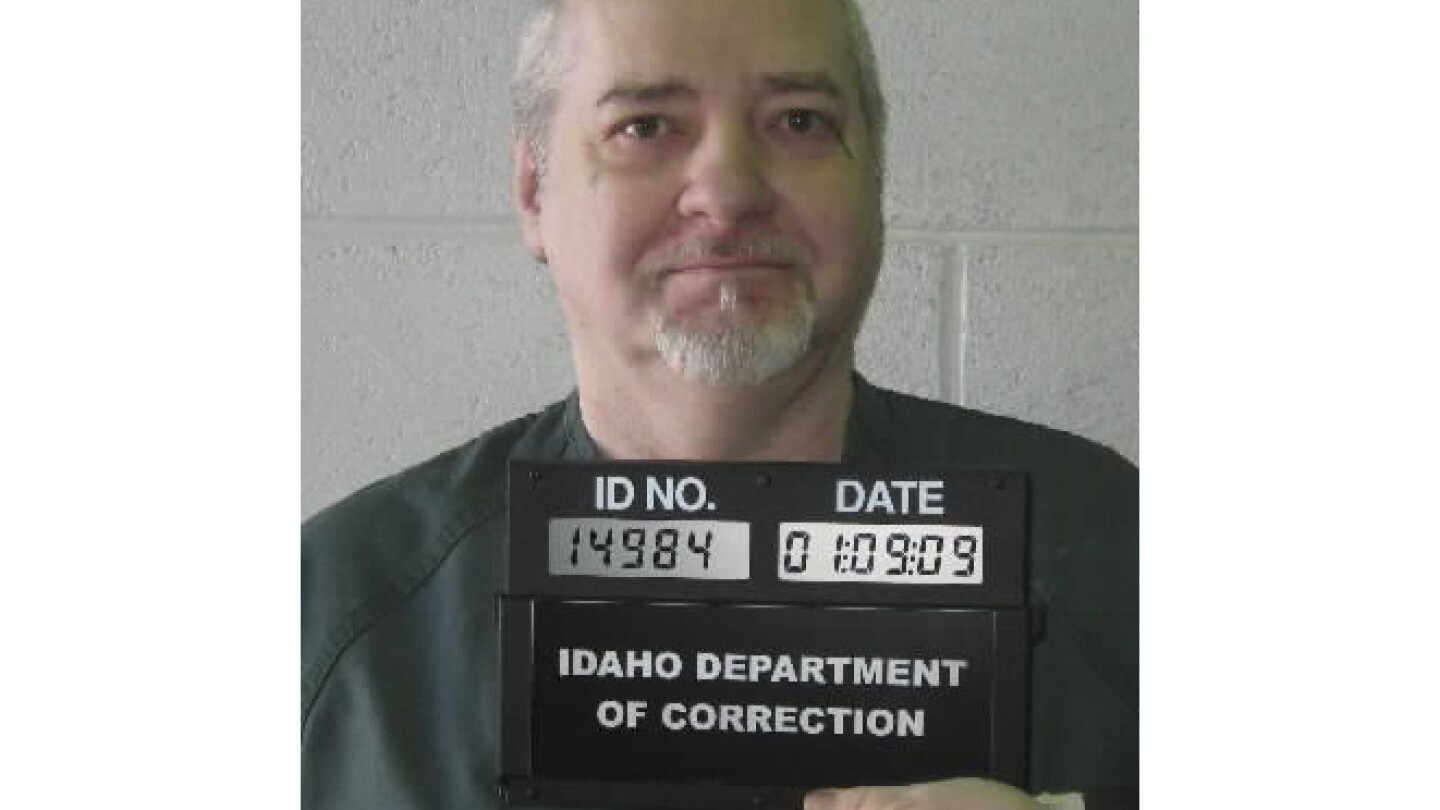
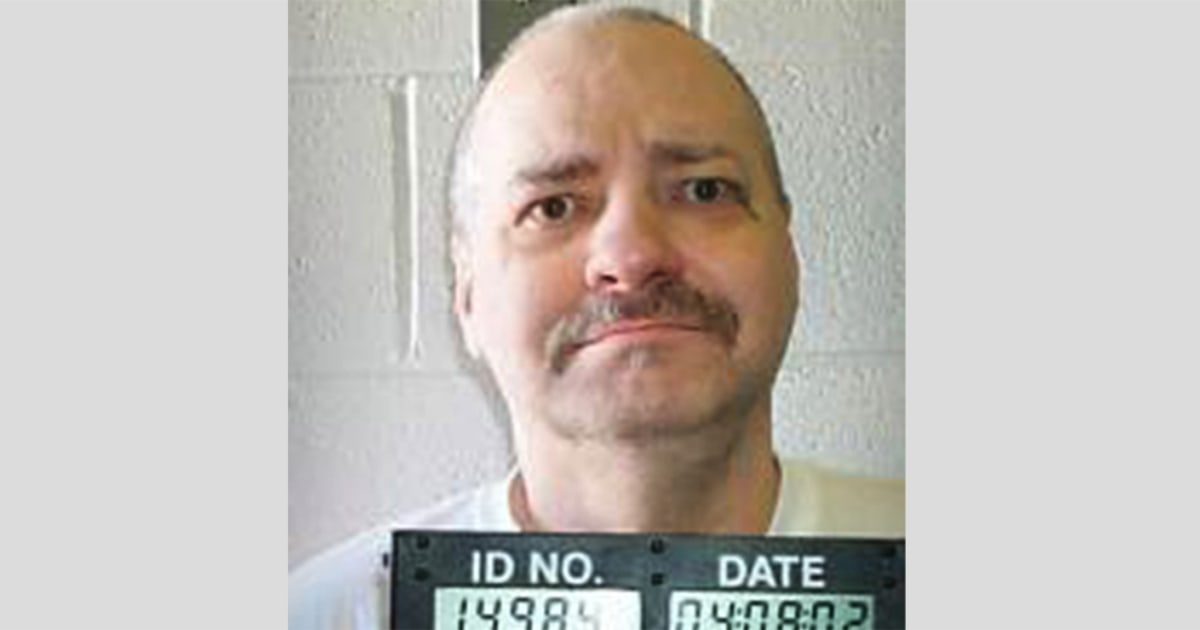
The execution of Thomas Eugene Creech, one of the nation's longest-serving death row inmates, was halted in Idaho after the medical team failed to establish IV access despite eight attempts, raising concerns about the competence of executioners and the secrecy surrounding lethal injections. Factors such as dehydration, stress, and inexperienced personnel may contribute to the difficulty in finding suitable veins. It remains unclear when Creech's execution may be attempted again, and his attorneys have filed a request for a stay, arguing that a second execution attempt would be unconstitutional.

Idaho's first attempted execution in over a decade was halted after multiple failed attempts to tap into the inmate's veins for lethal injection. Thomas Eugene Creech, 73, was returned to his cell as his death warrant was set to expire. The botched execution has renewed scrutiny of lethal injection as a method of capital punishment, with some states considering alternatives such as nitrogen gas and firing squads. Creech's lawyers filed a motion to halt further execution attempts and criticized the Idaho Department of Correction for the failure. Creech was convicted of multiple murders and has been in prison for 50 years.
Idaho delays the execution of serial killer Thomas Eugene Creech, one of the longest-serving death row inmates in the U.S., after a failed attempt at lethal injection. The medical team could not establish an IV line to administer the fatal drug, and Creech's attorneys immediately filed a new motion for a stay in U.S. District Court. The execution was to be Idaho’s first in 12 years, and Creech has been convicted of five murders in three states and suspected of several more.
Thomas Eugene Creech, one of the longest-serving death row inmates in the US, is set to be executed after more than 40 years since his sentencing for multiple murders. Despite pleas for clemency, including claims of personal change, late appeals against the execution have been dismissed. If the execution proceeds, it will be the second in the US this year. Creech has been convicted of multiple murders and is suspected of several more, and his case has sparked debate over the death penalty and methods of execution.
Idaho is preparing to execute Thomas Eugene Creech, one of the longest-serving death row inmates in the U.S., for the murder of five people in three states. Creech's supporters have sought to have his sentence converted to life without parole, citing his transformation during his decades in prison, but legal appeals have been unsuccessful. His last chance for a stay of execution hinges on a petition to the U.S. Supreme Court. Creech's execution will be the second in the U.S. this year, following Alabama's use of nitrogen gas for an execution last month.
Idaho is preparing to execute Thomas Eugene Creech, one of the longest-serving death row inmates in the U.S., for the murder of five people in three states. Creech's supporters have sought to have his sentence converted to life without parole, citing his transformation during his decades in prison, but legal appeals have been unsuccessful. His execution is scheduled to take place at the Idaho Maximum Security Institution, making it the second in the U.S. this year. Creech's case has sparked debate over the death penalty and the fairness of his clemency hearing, with his last chance for a stay of execution resting on a petition to the U.S. Supreme Court.
Idaho is set to execute Thomas Eugene Creech, one of the longest-serving death row inmates in the U.S., for the murder of David Dale Jensen in 1981. Creech's supporters have sought to have his sentence converted to life without parole, citing his transformation during his time in prison, but legal appeals have been unsuccessful. Creech's execution will be the second in the U.S. this year, and his last chance for a stay hinges on a petition to the U.S. Supreme Court. If the execution proceeds, Creech will be the fourth person to be executed by the state of Idaho since 1957.
Thomas Eugene Creech, a 73-year-old death row inmate, is set for execution in Idaho after nearly 50 years behind bars. He was convicted of multiple murders in three states and is suspected of several others. Creech's attorneys have filed last-minute appeals to halt the execution, but a three-judge panel rejected the argument that he should not be executed because he was sentenced by a judge rather than a jury. If carried out, this will be Idaho's first execution in 12 years. Creech's criminal history includes killing a fellow prisoner in 1981 and confessing to multiple other killings.
Thomas Eugene Creech, one of the nation's longest-serving death row inmates, is set to be executed by lethal injection in Idaho for killing a fellow prisoner in 1981. Creech, who has spent nearly 50 years behind bars, has a history of multiple murders in three states. Despite his supporters' claims of personal growth and positive contributions to the prison community, his execution date has been a difficult and emotional prospect for those who have known him for years.
Thomas Eugene Creech, Idaho's longest-serving death row inmate, has been named a suspect in a 1974 California murder case. The victim, Daniel Walker, was shot and killed near Needles, California, and the case remained unsolved for nearly five decades. Creech, who has admitted to killing dozens of people and been convicted of multiple murders, is currently seeking to have his death sentence commuted to life without parole. The Idaho Commission of Pardons and Parole has yet to announce its recommendation regarding his sentence.