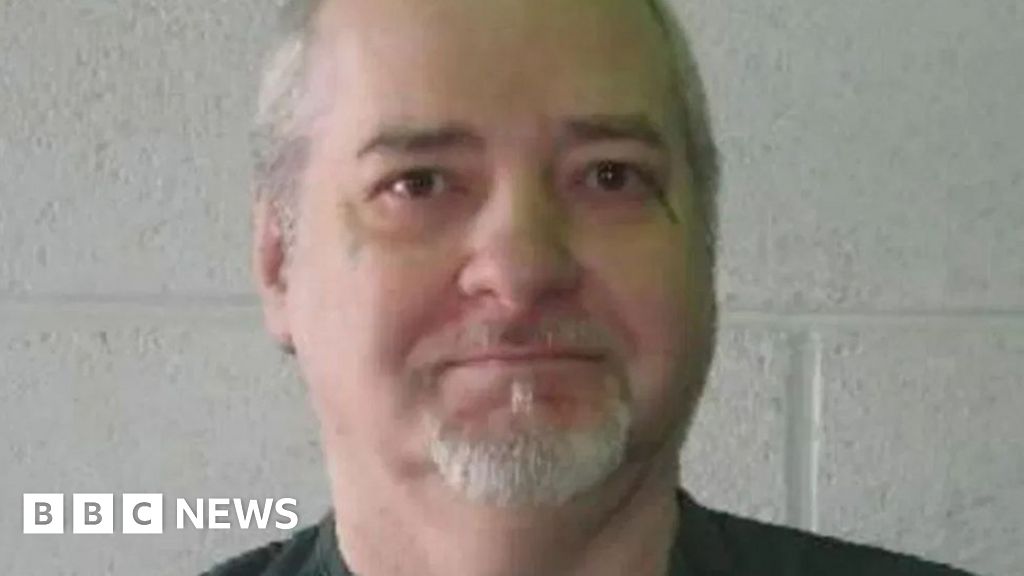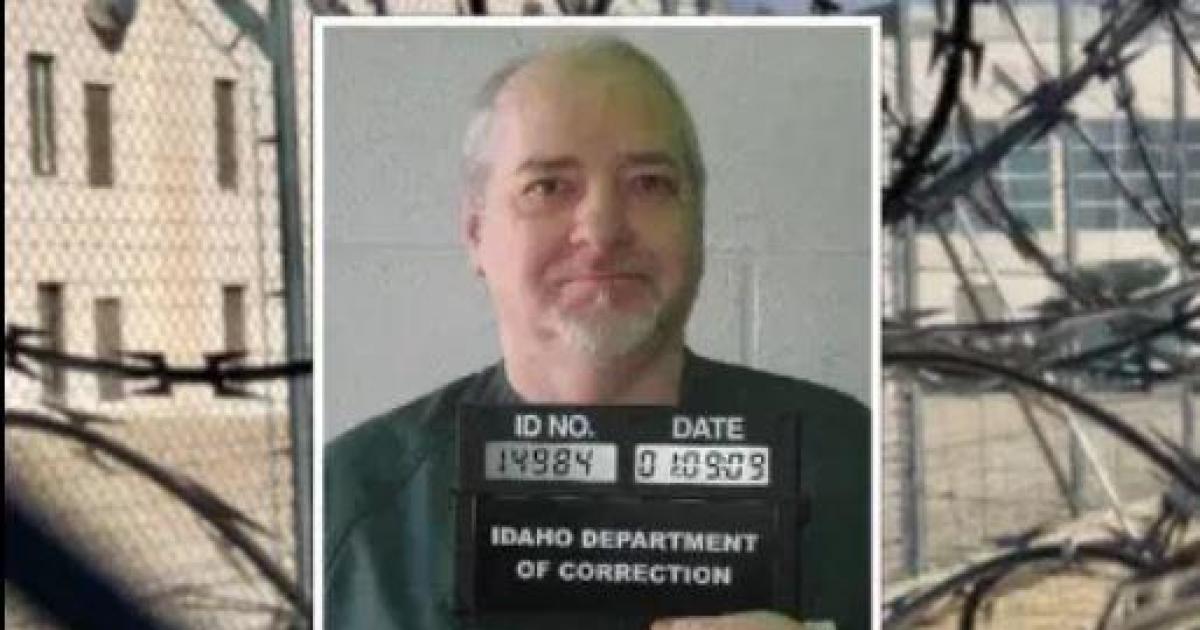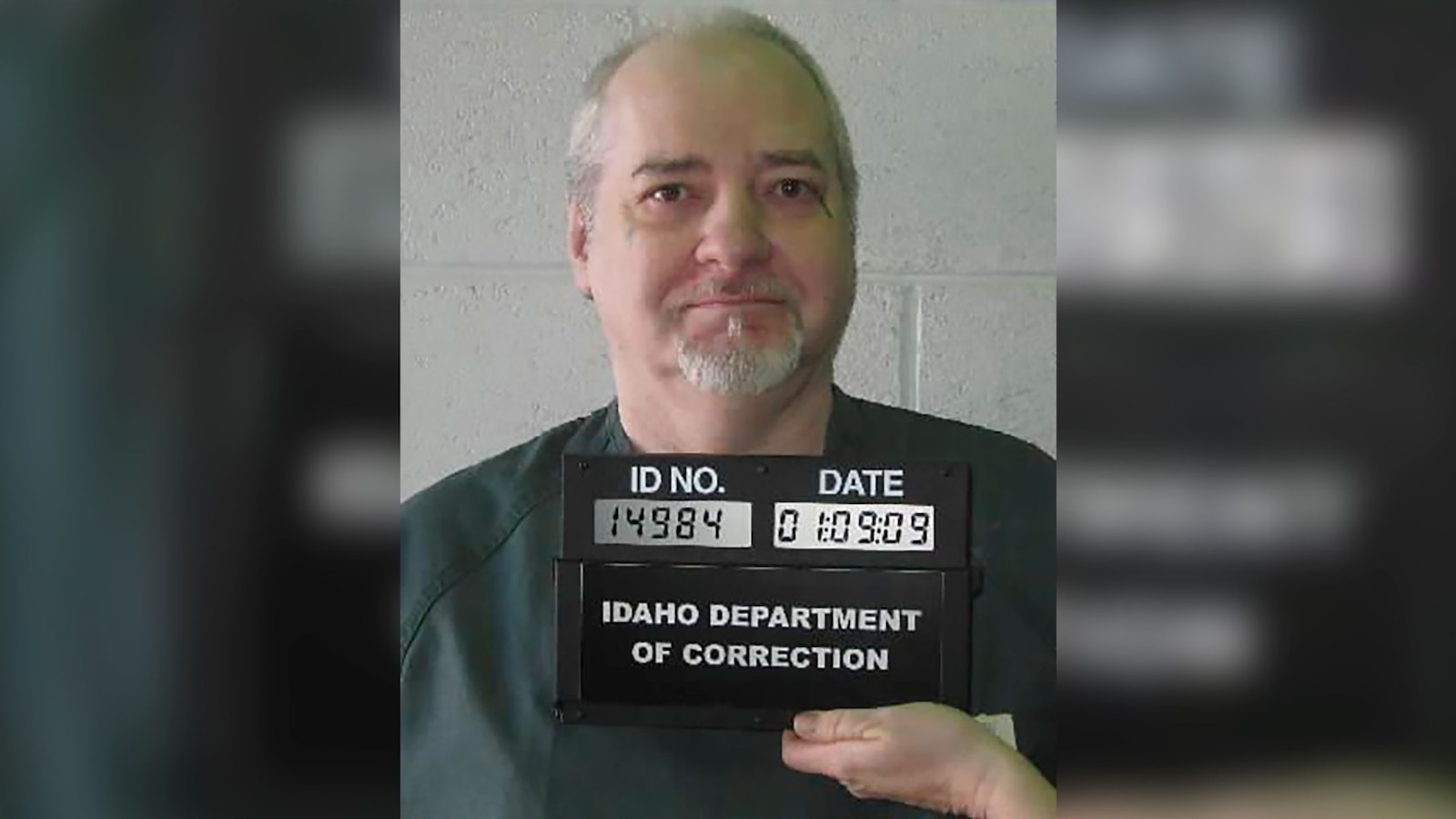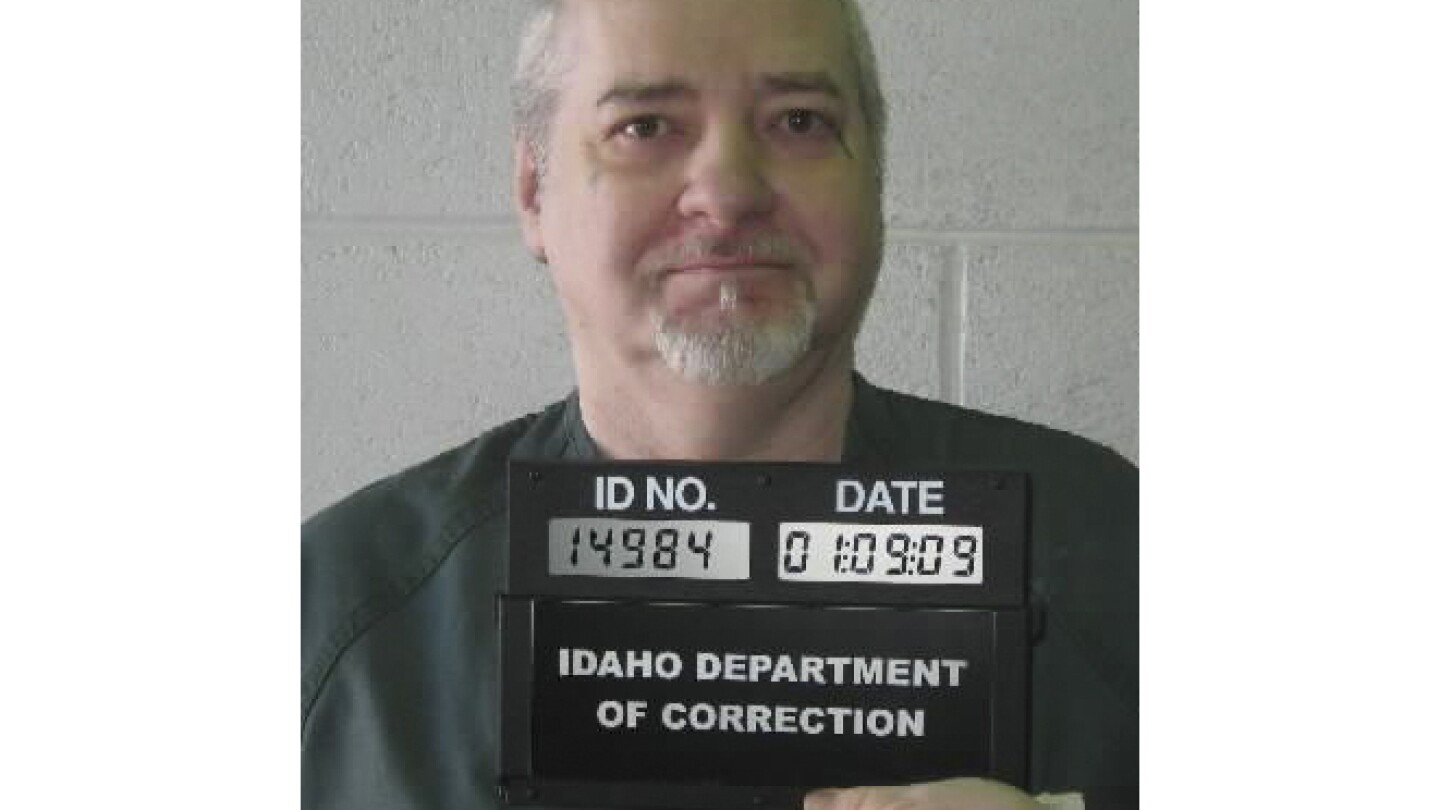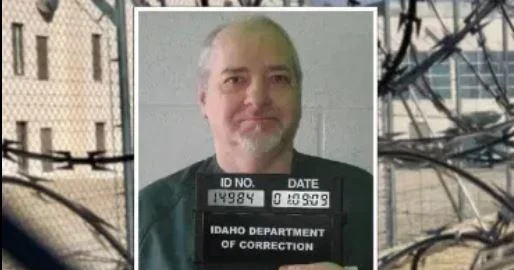
A federal judge has temporarily halted the execution of Thomas Eugene Creech, Idaho's longest-serving death row inmate, after a botched lethal injection attempt earlier this year. The stay allows time to review claims of prosecutorial misconduct during Creech's clemency hearing. Creech, convicted of multiple murders, was scheduled for execution on November 13. The Idaho Department of Correction has suspended execution preparations, and new protocols for lethal injection have been announced following the failed attempt.
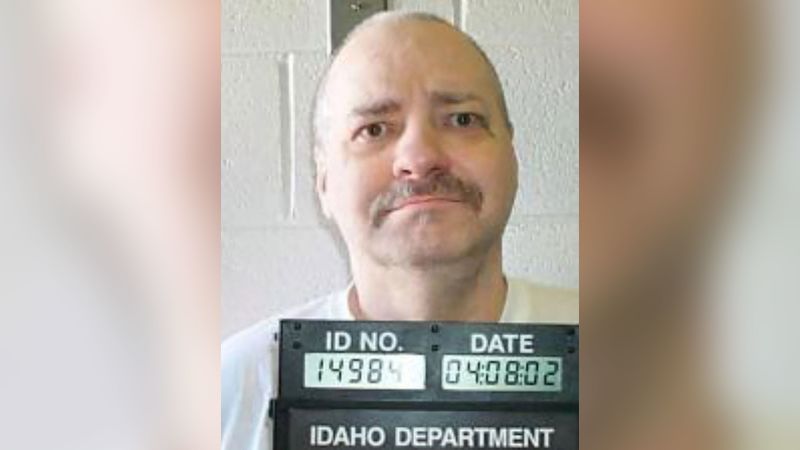
Idaho stopped the execution of death row inmate Thomas Creech after officials were unable to establish an intravenous line for the lethal injection, making it the state's first halted execution in 12 years. Creech, a serial killer, was sentenced to death for multiple murders, and his execution was stopped just hours before another scheduled execution in Texas. The state is now considering next steps, including the possibility of seeking new chemicals for a future attempt. This incident highlights the challenges some states face in carrying out lethal injections, with Idaho lacking the necessary facilities for a firing squad and requiring a change in state law to consider nitrogen gas as an alternative method of execution.
The execution of Idaho's longest-serving death row inmate, Thomas Creech, was delayed after officials failed to establish an IV line for the lethal injection. Creech, 73, has been in prison since 1974 and was sentenced to die for the 1981 fatal beating of a fellow inmate. This botched procedure is the latest example of a state struggling to perform the fatal procedure, with Alabama also facing issues with lethal injections.
Idaho delayed the execution of serial killer Thomas Eugene Creech after a failed attempt at lethal injection, marking the state's first execution in over a decade. Creech's attorneys criticized the state's handling of the execution, citing secrecy and concerns about the source of the lethal injection drug. Despite his horrific crimes, Creech was described as a well-behaved inmate who had established relationships with prison staff. Creech, who has been on death row for nearly half a century, was convicted of five murders and is suspected of several others.
The U.S. Supreme Court has rejected Idaho serial killer Thomas Eugene Creech's request for a stay of execution, clearing the way for his lethal injection. Creech, Idaho's longest-serving death row inmate, had filed a petition to halt the execution, arguing that his due process rights were violated. Barring a last-minute reprieve by Idaho Gov. Brad Little, Creech will become the first person executed in Idaho in 12 years. Creech has been convicted of five murders in three states and is known as Idaho's most prolific serial killer.
A U.S. appeals court panel has declined to delay the execution of Thomas Creech, one of the nation’s longest-serving death row inmates, who is scheduled to be executed in Idaho next week for killing a fellow prison inmate in 1983. Creech's attorneys sought a delay, arguing that his death sentence should be set aside because it was issued by a judge, not a jury, under evolving standards of decency. The panel rejected this claim, stating that Creech had not provided enough evidence to prove a notable change in attitudes toward judge-imposed executions in recent years. Creech's history includes multiple convictions and suspected killings dating back half a century, with his attorneys filing multiple challenges regarding his execution.