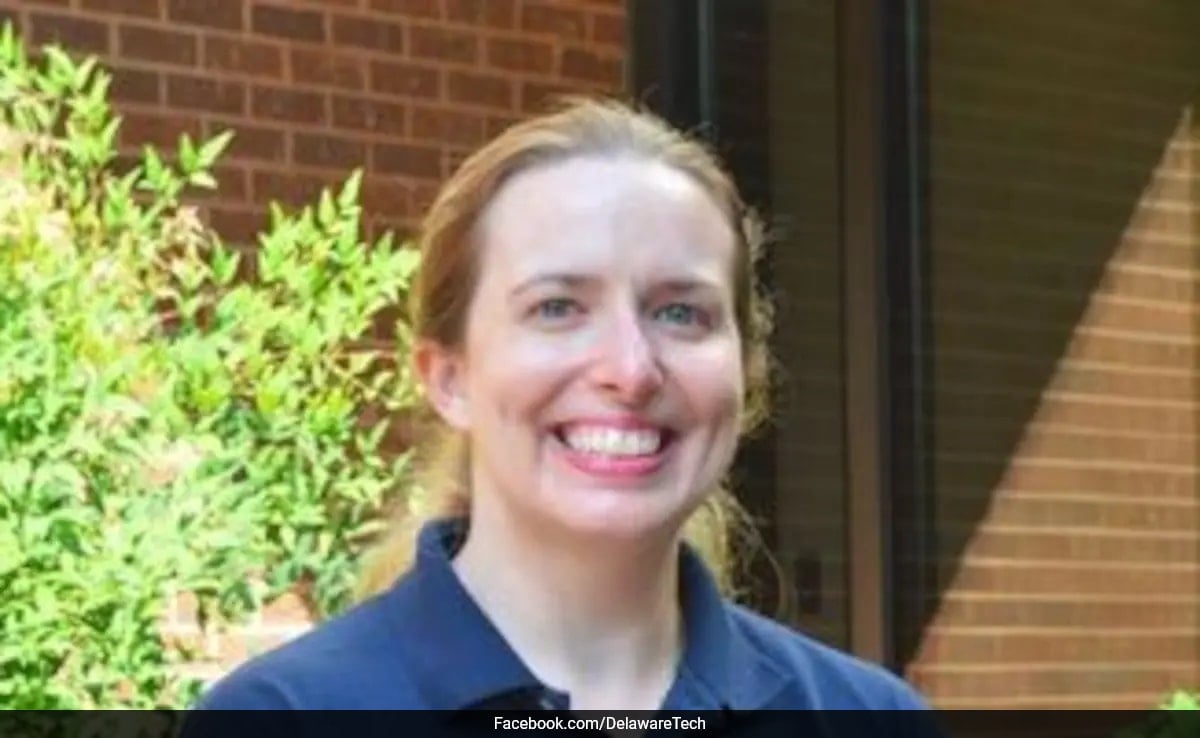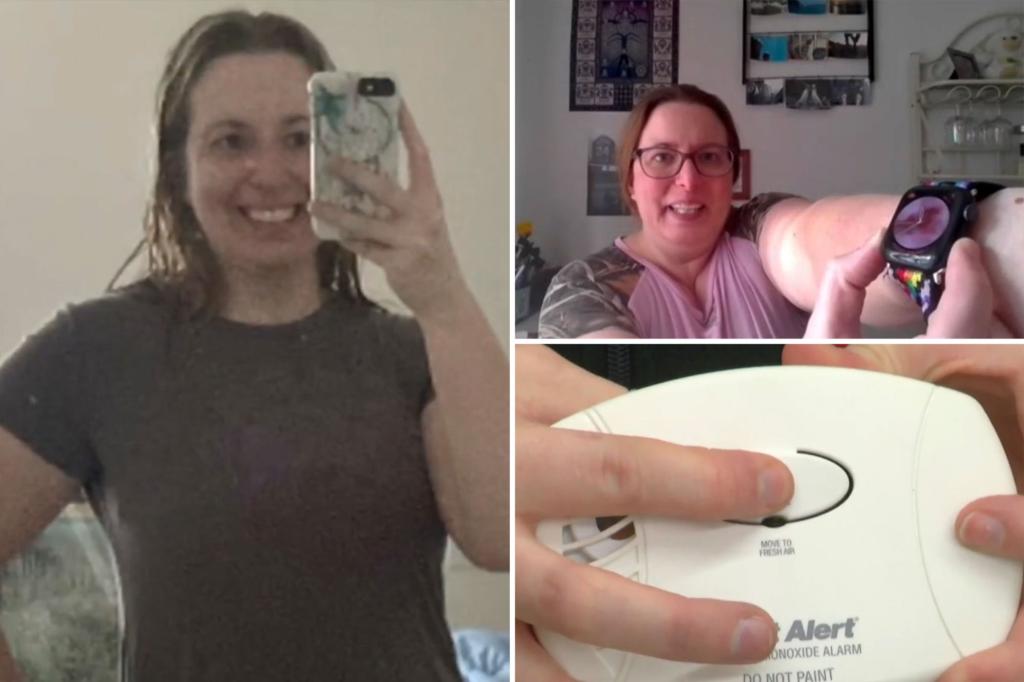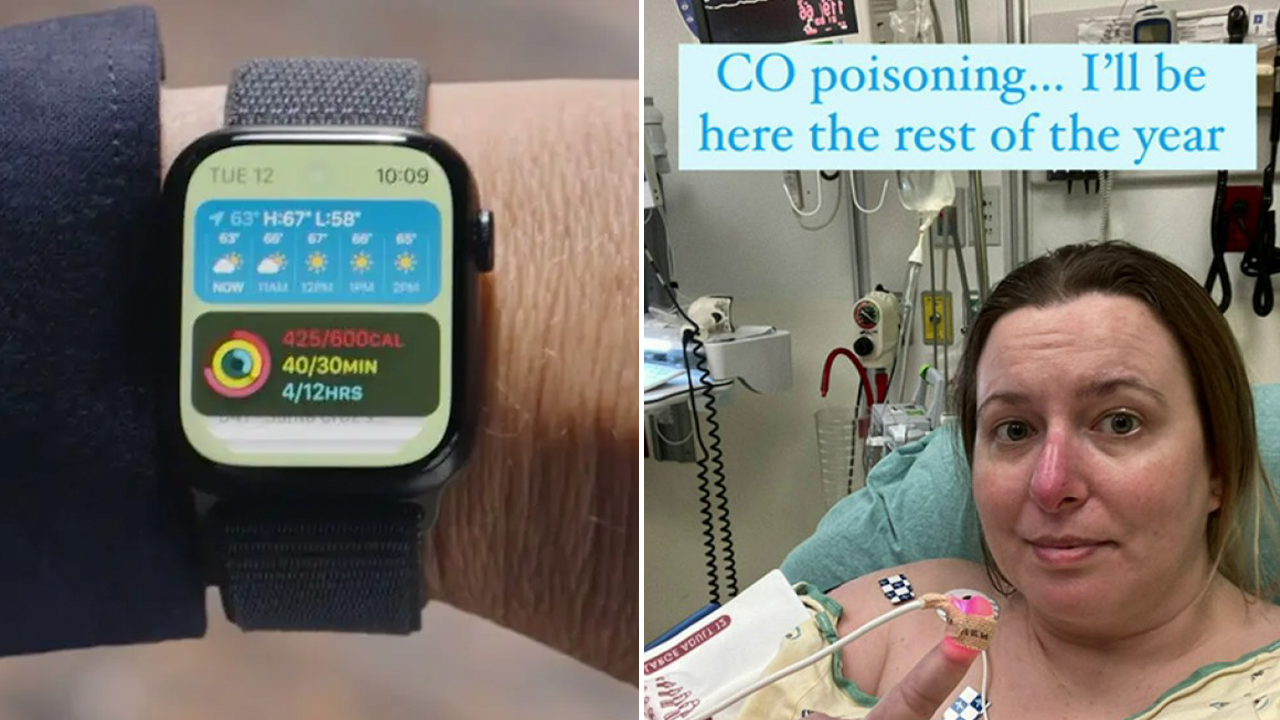
A Wilmington University graduate student, Natalie Nasatka, was saved from a potentially fatal carbon monoxide poisoning in her apartment thanks to the Emergency SOS feature on her Apple Watch. Experiencing severe symptoms, she used the feature to call 911, leading to her rescue and hospital treatment. The incident highlighted the importance of wearable technology in emergency situations and the dangers of carbon monoxide, prompting the installation of a detector and repair of her heater by apartment management.
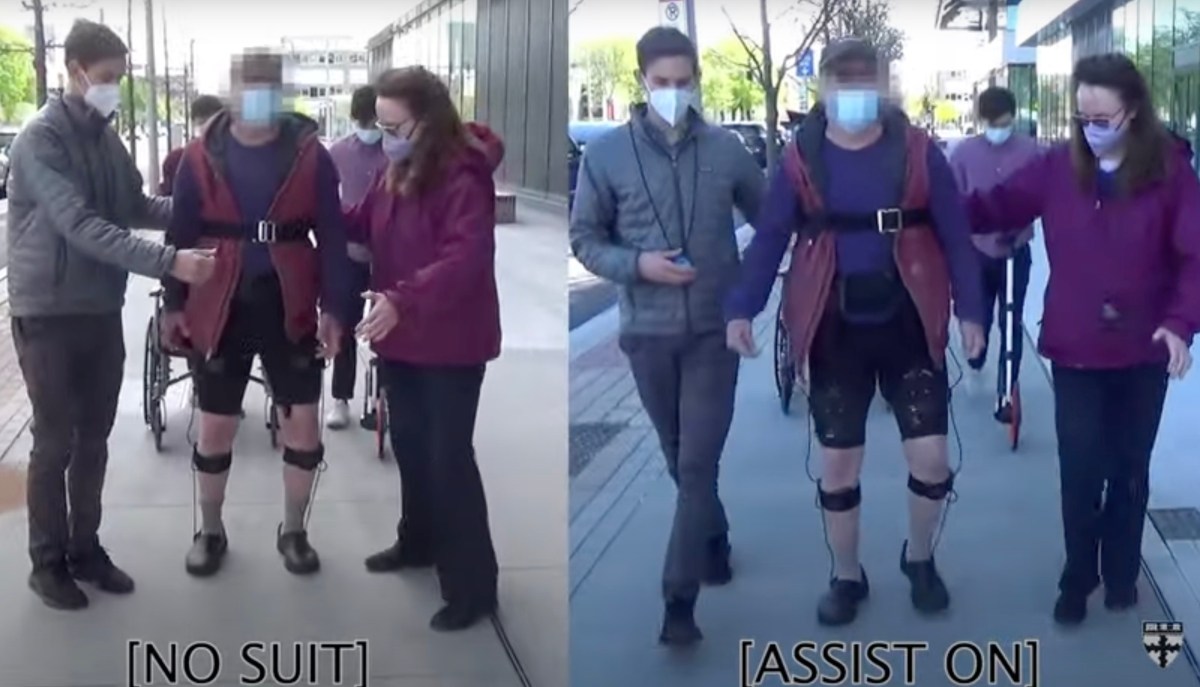
Harvard and Boston University researchers have developed a soft robotic exoskeleton designed to help individuals with Parkinson's disease overcome "freezing" episodes during walking. The wearable technology uses sensors and algorithms to assist with gait and has shown promising results in a study published in Nature Medicine. A 73-year-old participant experienced a significant reduction in freezing episodes and improved walking ability both indoors and outdoors. This innovation could lead to commercialization, similar to a previous exosuit developed for stroke patients by Harvard's Biodesign Lab.
Delaware resident Natalie Nasatka's life was saved by her Apple Watch's SOS feature when she suffered from carbon monoxide poisoning due to a suspected faulty heater. Experiencing severe symptoms, she used the watch to call for emergency assistance, leading to her timely rescue. The incident highlights the critical role of technology in personal safety and the dangers of carbon monoxide, an odorless, colorless gas that can be fatal.
Natalie Nasatka, a Delaware woman, survived a potentially fatal carbon monoxide poisoning incident thanks to the SOS feature on her Apple Watch, which she used to call emergency services when she was too weak to reach her phone. Firefighters found her barely conscious in her home, with CO levels at 80 parts per million, and she was treated at a hospital with no lasting brain damage. The incident highlights the life-saving potential of wearable technology in emergency situations.