OpenAI is aggressively positioning itself to become the 'Windows of AI' by forming extensive partnerships with chipmakers like AMD and Nvidia, integrating apps within ChatGPT to serve as a future operating system, and aiming to dominate the AI ecosystem much like Windows did in the PC era. This strategy involves building a comprehensive platform that attracts users first, then developers, and consolidates power across hardware, software, and web services, potentially reshaping the AI industry landscape.
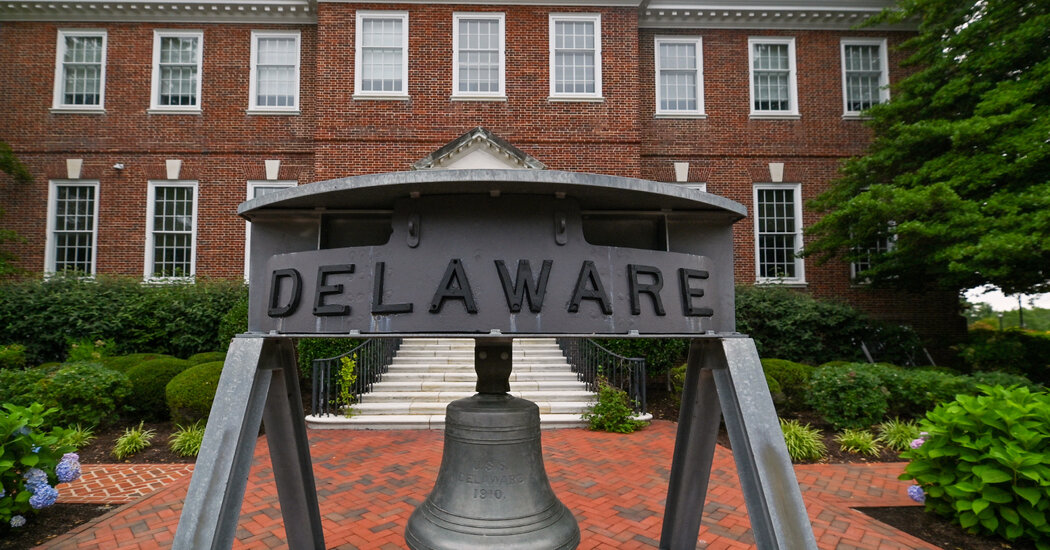
Andreessen Horowitz plans to move its corporate registration from Delaware to Nevada, following similar moves by major companies like Tesla and Dropbox, signaling a potential shift away from Delaware as the preferred state for corporate incorporation in the tech industry.
The Palestinian startup ecosystem, seen as a beacon of economic hope, is being decimated by the ongoing war in Gaza. Palestinian founders are not only struggling to keep their businesses afloat but are also grieving the loss of life and community. The tech scene, though small, has been viewed as an important part of Palestinians' economic future. However, the war has disrupted operations, destroyed infrastructure, and cut off access to basic necessities. The Palestinian startup landscape, which represents a unique chance at economic development, is now at risk of disappearing entirely. Despite the challenges, Palestinian entrepreneurs remain resilient and determined to rebuild.
The recent mass mobilization of reservists in Israel's military has had a significant impact on the country's startup ecosystem, particularly for smaller companies. With mandatory military service and reserves, the absence of key employees can disrupt operations and pose existential challenges for startups. While larger tech companies have been able to manage the impact, smaller startups struggle to maintain operations without their technical leads. Despite the challenges, Israeli entrepreneurs have shown resilience and determination to keep their businesses afloat during this difficult time.
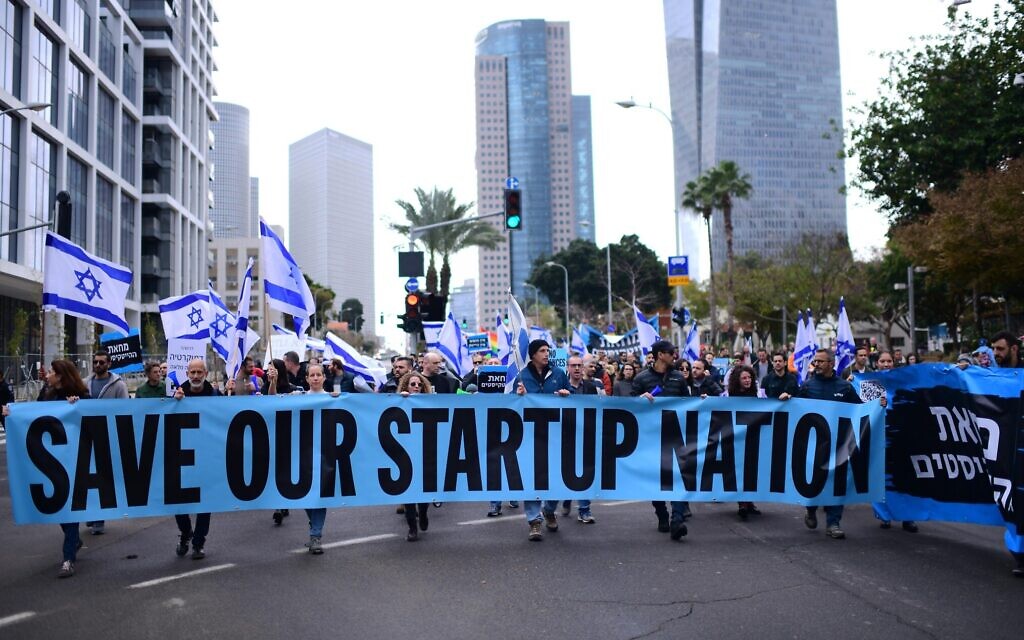
Almost 70% of Israeli startups are taking active steps to shift funds and relocate parts of their businesses outside of Israel due to the uncertainty surrounding the proposed judicial overhaul. A survey conducted by Start-Up Nation Central revealed that 78% of startup executives reported negative impacts on their operations, while 84% of venture capital investors said it has a negative influence on their portfolio companies. The tech ecosystem, which contributes significantly to Israel's economy, is concerned about the potential loss of foreign investment and the decline in venture investment in Israel compared to the US.
A survey conducted by Start-Up Nation Central reveals that a significant number of Israeli start-up companies are taking measures to mitigate risks, including withdrawing cash reserves, relocating their headquarters outside of Israel, moving employees abroad, and conducting layoffs. Concerns about the ongoing civil unrest and judicial reform legislation have led to a growing trend of changing headquarters locations, with 8% of companies already relocating and 29% intending to do so in the near future. Additionally, a growing number of Israeli investors are considering or have already started investing in foreign companies, indicating a shift in investment strategies. The survey also highlights negative sentiment regarding the judicial reform's impact on the Israeli economy, with 78% of company executives and 84% of investors expressing concerns.