The Kansas City Royals and Chiefs have announced a Community Benefits Agreement (CBA) for their proposed stadium projects, but community organizations have criticized the lack of substantial benefits for the community. The agreement includes vague promises and lacks concrete details on how the funds will be used to improve the lives of citizens. Critics argue that the teams' proposals seem to prioritize their own interests and lack a strong commitment to improving living and working conditions in Kansas City. The secretive nature of the negotiations and the close ties between the Royals and one of the remaining community organizations have raised suspicions. The upcoming vote on the tax extension for the projects has sparked debate about the potential impact on the community and the need for a more transparent and equitable outcome.
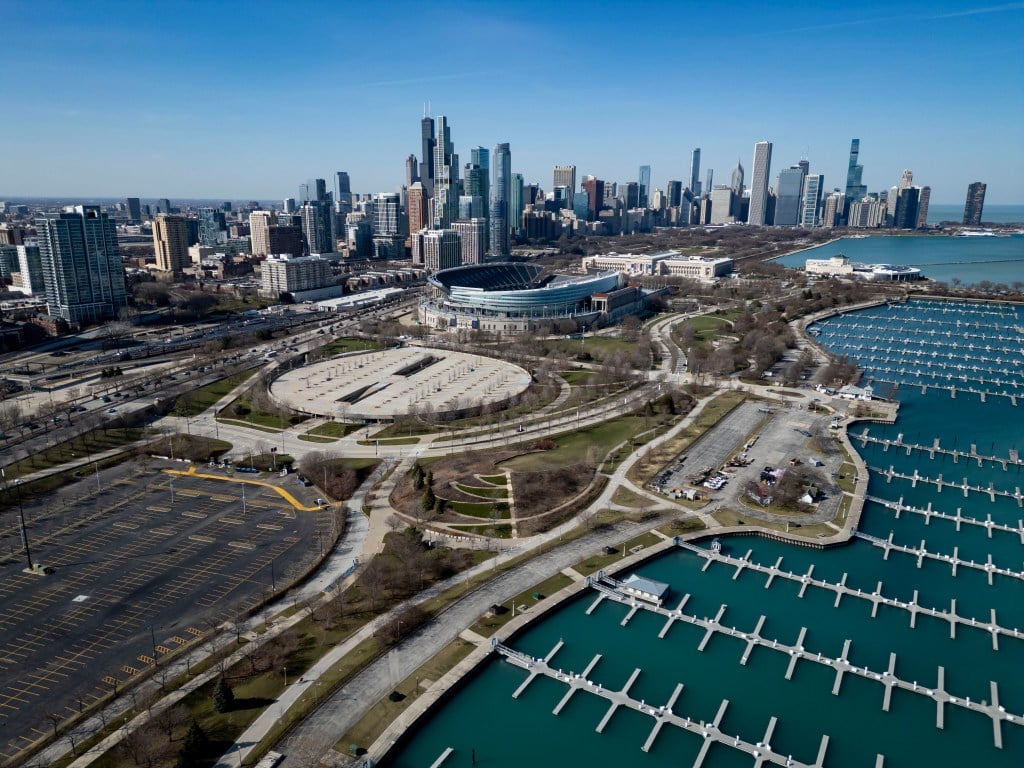
The Chicago Bears' proposal for a new publicly owned domed stadium on Chicago's lakefront has sparked excitement among fans but raised concerns and opposition from various corners, including historical landmark advocates and open space proponents. The lack of specific details on public funding and the unresolved issue of taxpayer dollars from the previous Soldier Field renovation have added to the uncertainty. While the mayor welcomes the proposal, opposition from organizations and state leaders, as well as the potential impact on public finances, make the future of the stadium plan far from certain.
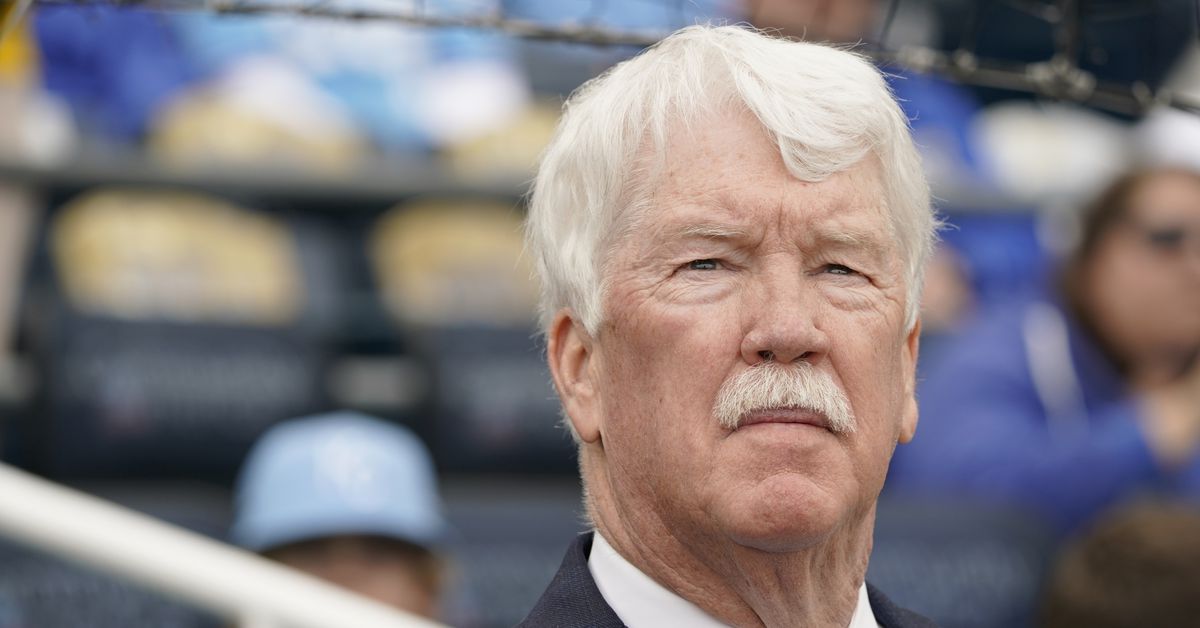
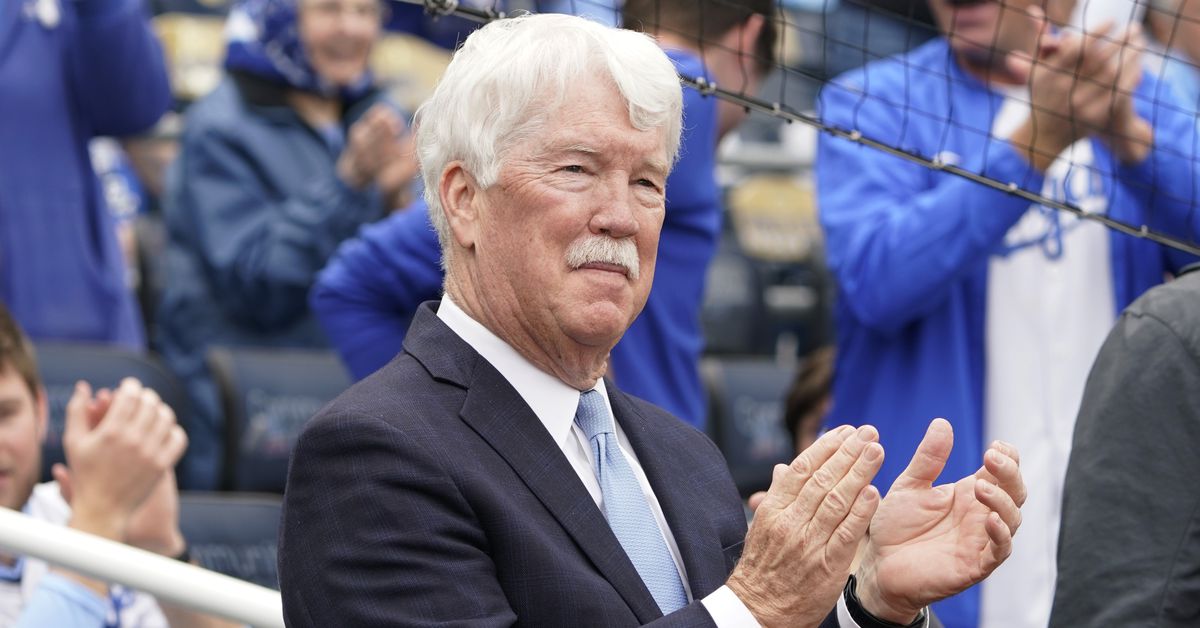
The Kansas City Royals' ownership group, led by John Sherman, has been embroiled in a contentious debate with Jackson County over the proposed construction of a new stadium. The team initially considered various locations, including downtown and Clay County, but has now reportedly set its sights on a downtown site near the T-Mobile Center. However, there are concerns about the feasibility of building a ballpark on that site without demolishing the Kansas City Star building. The team is also demanding that Jackson County voters renew a sales tax for another 40 years. The situation has left fans worried about the possibility of the Royals leaving Kansas City, reminiscent of past relocations in the city's sports history.
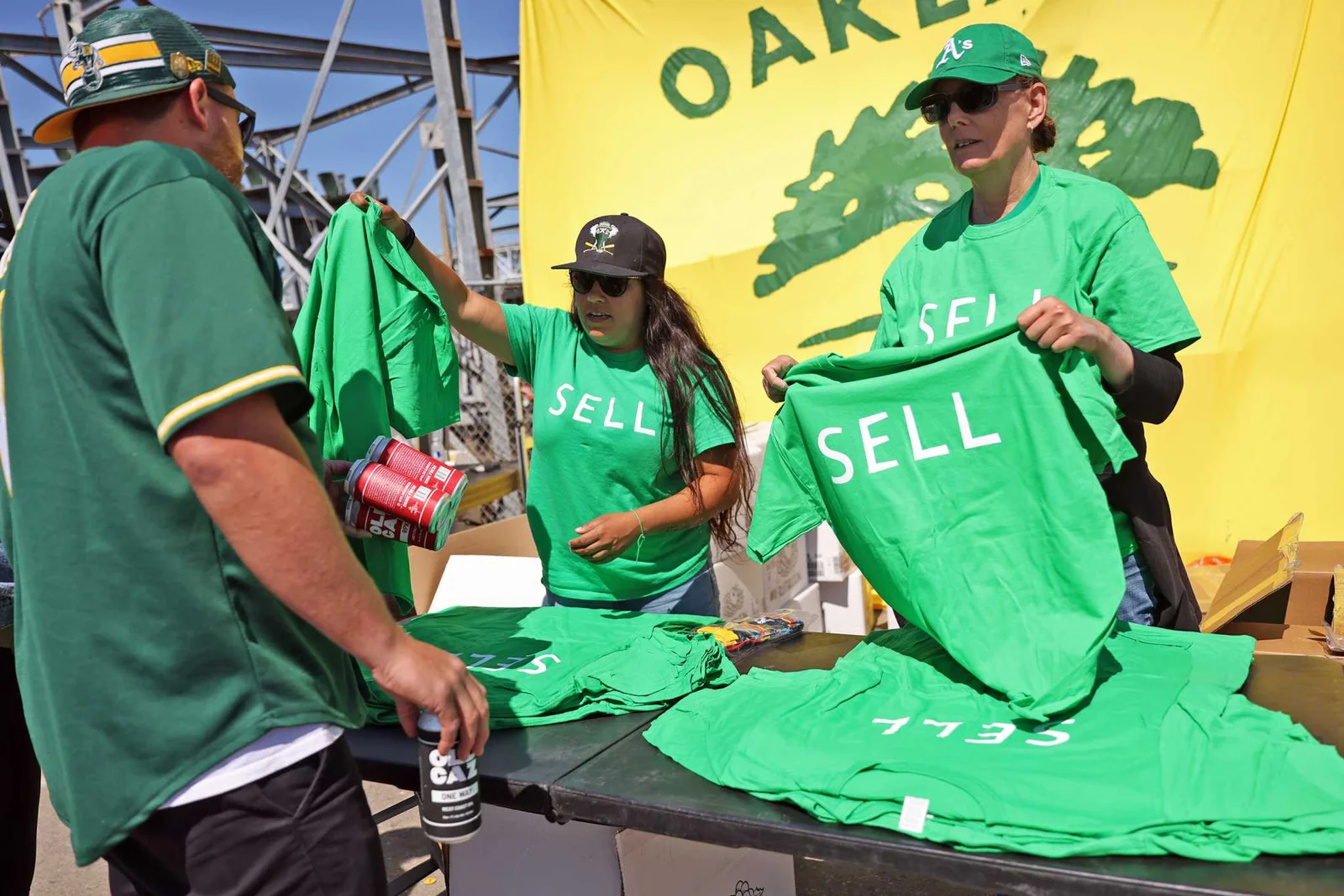
The Oakland Athletics' proposal to relocate to Las Vegas has taken a step closer to approval as an amended Senate Bill 1 was passed by the Senate on a 13-8 vote. The bill now needs approval by an Assembly committee and on the Assembly floor, and then the MLB owners would vote on the relocation, which would ultimately end the team's standing in Oakland. The proposal calls for $380 million in public funding for a $1.5 billion, 30,000-seat facility, and includes a greater commitment by the A's to a community-benefits agreement and homelessness-prevention fund.
The Legislature adjourned until Monday without taking action on the Oakland A's stadium proposal that is the subject of the current special session. Gov. Joe Lombardo called the Legislature into special session to consider up to $380 million in public funding for the $1.5 billion stadium, after the initial proposal failed to advance during the regular session that concluded Monday. Lawmakers will return to Carson City on Monday, and if senators choose to vote on the measure, the bill would need to pass by a simple majority in the 21-member chamber.
Tempe voters rejected the Arizona Coyotes' $2.1 billion development proposal, which included plans for a new stadium, 2,000 apartments, and an entertainment district. The Coyotes needed voters to approve three separate propositions, and all three were voted down. The team's future in Arizona is now being evaluated by the owners and the National Hockey League. The Coyotes argued that the proposal would have been privately funded and would have created jobs and tax benefits, but opposition expressed serious doubt that the city and its taxpayers wouldn't have borne a financial burden.
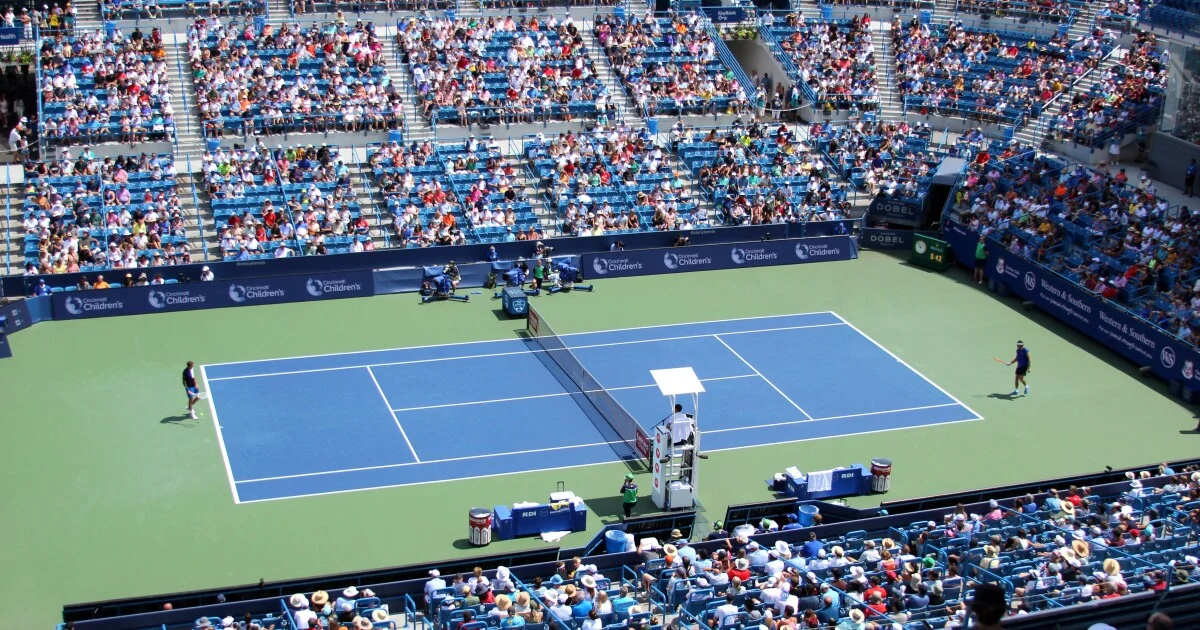
The new owner of the Western & Southern Open, Benjamin Navarro, has proposed moving the tennis tournament from Mason to Charlotte and constructing a 50-acre tennis stadium and complex in the River District of west Charlotte. Navarro's investment company, Beemok Capital, is asking for the public to fund a third of the $400 million project. The proposal comes as State Rep. Adam Mathews recently introduced an amendment to Ohio's budget bill to allocate $22.5 million toward expanding the tournament at its current location. Beemok Capital said it is evaluating a number of options before making substantial investments required to host an expanded event.