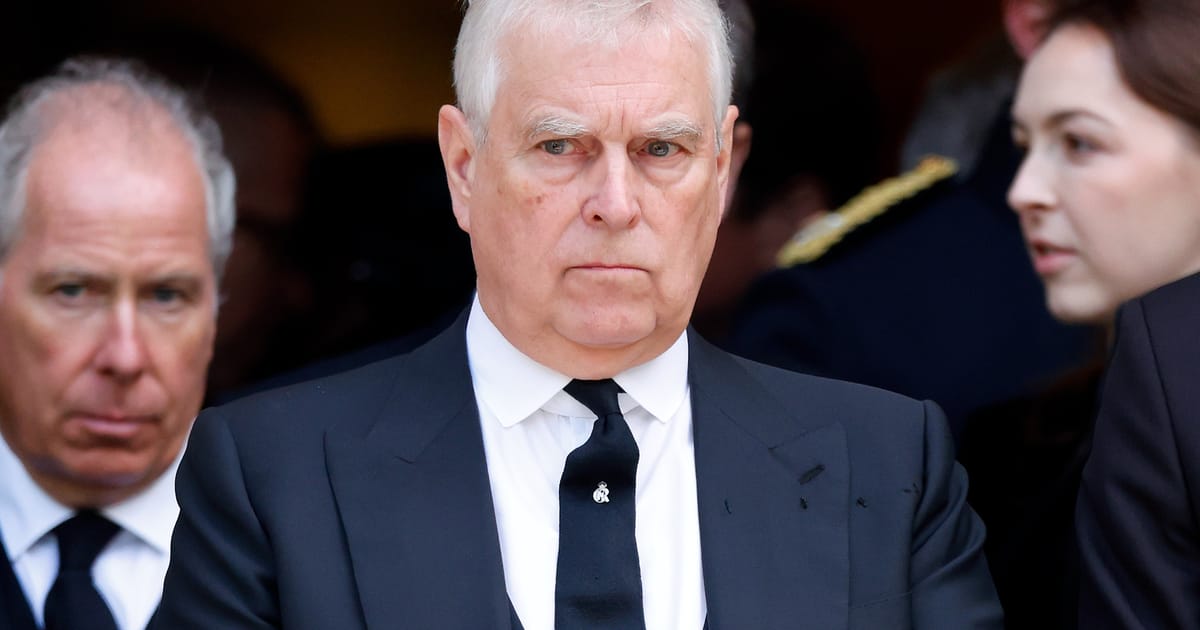
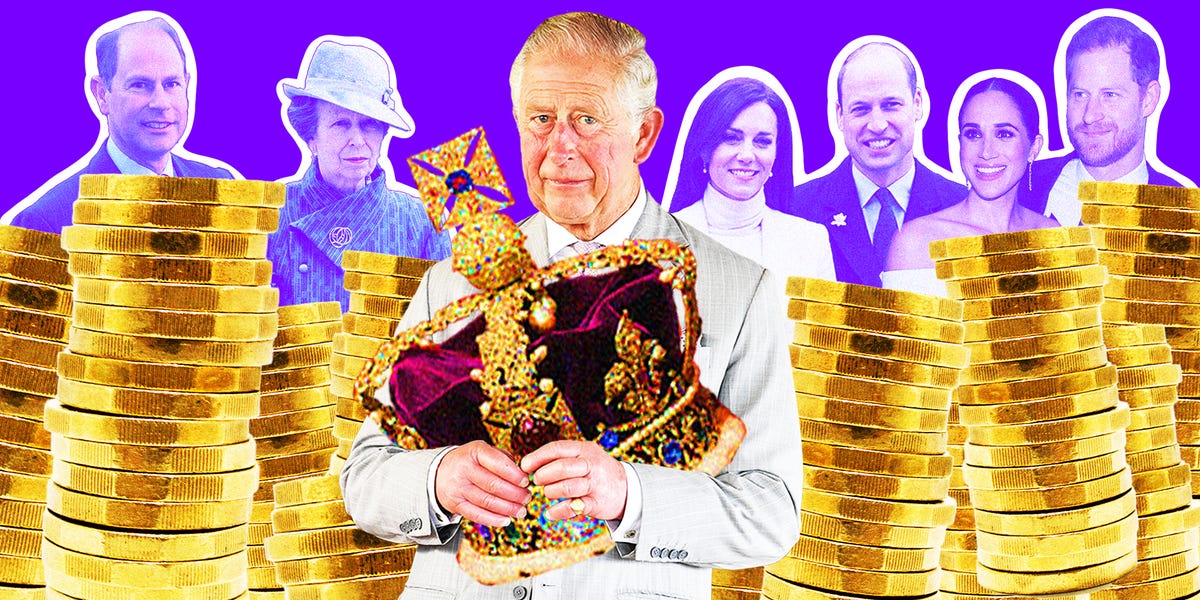
The scandal involving Prince Andrew's living arrangements and associations has sparked a broader debate in the UK about the transparency and funding of the royal family, highlighting issues with the current system, including secrecy around royal estates and the need for reform, just ahead of a review of the Sovereign Grant.
The British Royal Household's annual report shows it will receive about $118 million from the government, primarily through the Sovereign Grant, which funds royal duties and palace upkeep, with additional funds allocated for Buckingham Palace refurbishment. The report highlights ongoing modernization efforts and a shift towards sustainable transportation, amid ongoing criticism of royal funding.
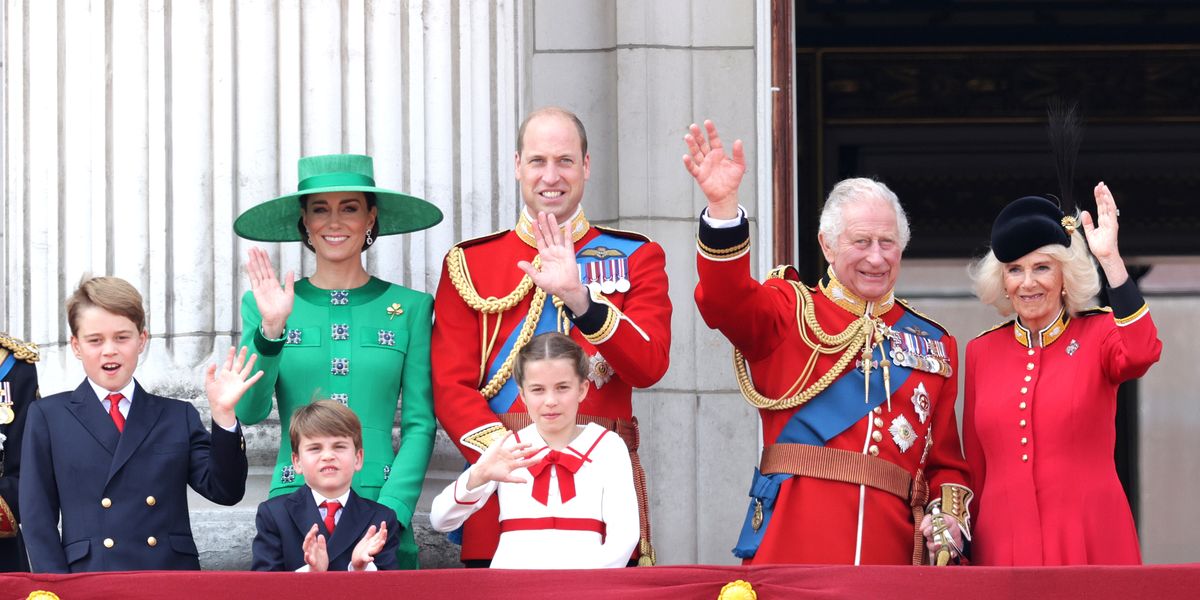
Publicly funded spending by Britain's royals increased by 5% due to a change in monarchs, inflation, and ongoing costs for renovating Buckingham Palace. The annual Sovereign Grant report revealed a net spending increase of £107.5 million ($135 million) in the past year. King Charles III implemented energy-saving measures, including lowering heating temperatures, to reduce emissions and costs. The report also mentioned the transition period for the monarchy, with additional expenses for Queen Elizabeth II's Platinum Jubilee, funeral, and the accession of her heir Charles. The renovation project at Buckingham Palace is expected to be completed in 2027.
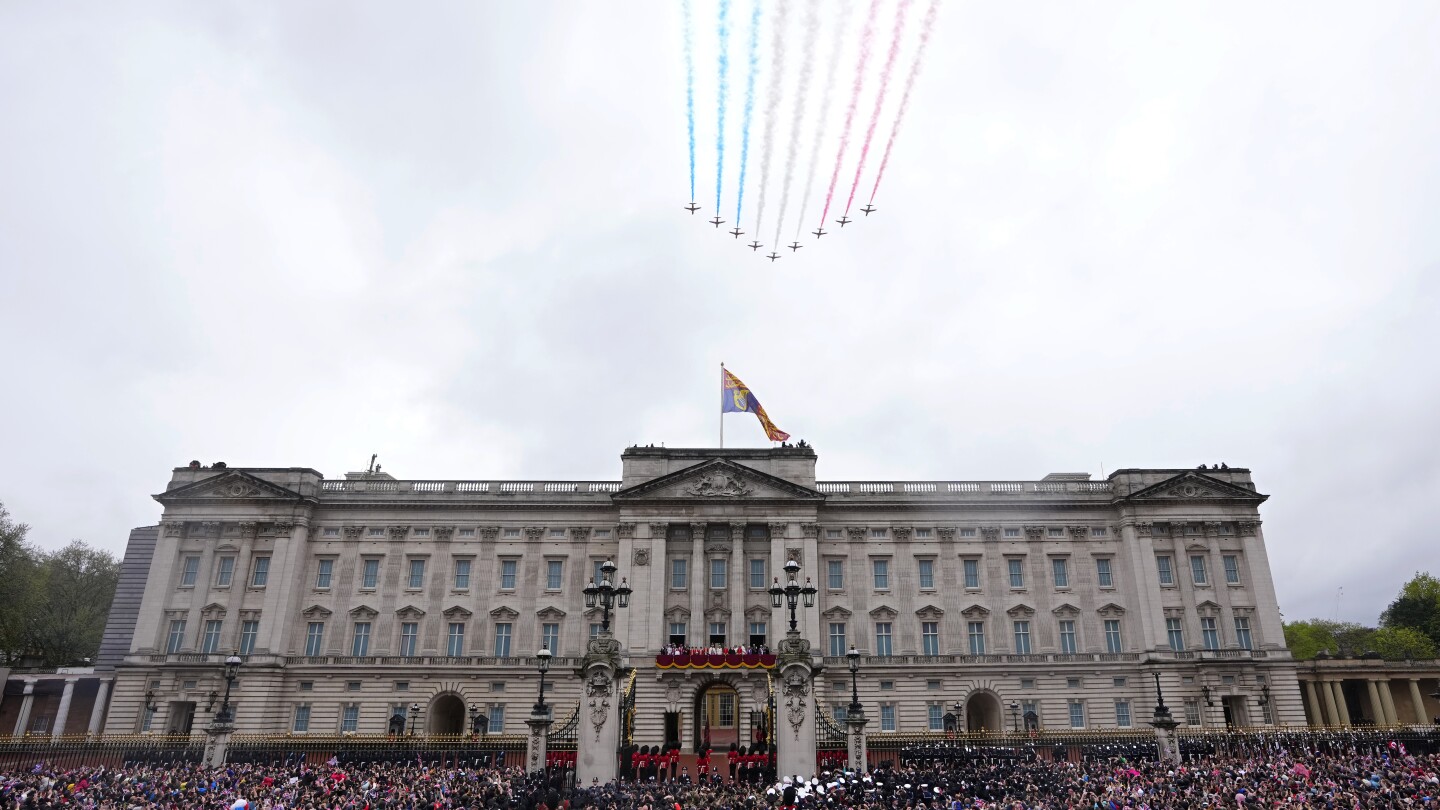
Buckingham Palace has released its annual accounts, revealing the expenditure for the financial year April 2022 to March 2023. The accounts reflect the challenges faced by the royal household during the pandemic and inflation, with an income of £51.8 million plus an additional £34.5 million for the refurbishment of Buckingham Palace. However, the funds from the Sovereign Grant do not include the full costs of the monarchy, such as round-the-clock security. Campaigners argue that the money received from the Duchy of Lancaster and the Duchy of Cornwall could be diverted for public use if the monarchy was abolished. The accounts also show that the Palace dipped into reserves and received £20 million from reserve funds. The report highlights the Palace's focus on inclusion and diversity initiatives.
Prince Harry and Meghan Markle have finally moved out of Frogmore Cottage, a property gifted to them by Queen Elizabeth II. The couple rarely used the house and had paid for its renovations. The future occupancy of the cottage is yet to be determined, with speculation that it could be given to Prince Andrew. Frogmore Cottage has been at the center of controversy due to the use of taxpayers' money for renovations.
Publicly funded spending by Britain's royals increased by 5% due to a change in monarchs, inflation, and ongoing costs for renovating Buckingham Palace. King Charles III implemented measures to cut emissions and costs, including turning down the heating at royal homes. Prince Harry and Meghan have vacated Frogmore Cottage, and the monarchy experienced significant transition with extra costs for Queen Elizabeth II's Platinum Jubilee and funeral, as well as Charles' accession. The Sovereign Grant, which supports official duties and maintenance of occupied palaces, remained unchanged at £86.3 million. The Crown Estate made a net profit of £443 million, contributing to the Treasury. Prince William received almost £6 million from the Duchy of Cornwall estate.
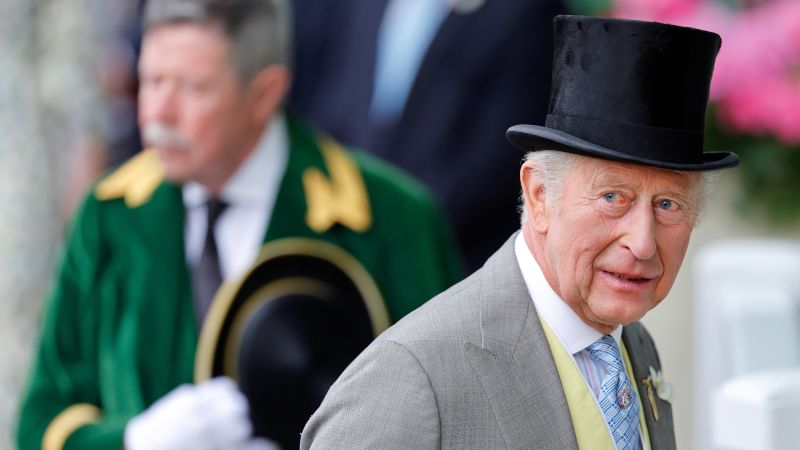
The British royal family's wealth comes from various sources, including a taxpayer-funded grant, a multibillion-dollar real-estate portfolio, and inherited assets. King Charles inherited $500 million worth of personal assets from Queen Elizabeth II, but he also manages institutions that Forbes estimated manage $42 billion worth of assets. A large portion of Charles' wealth comes from the Sovereign Grant, a taxpayer-funded grant given to the monarch, and he also receives funds from the Duchy of Lancaster, an estate worth over $815 million.