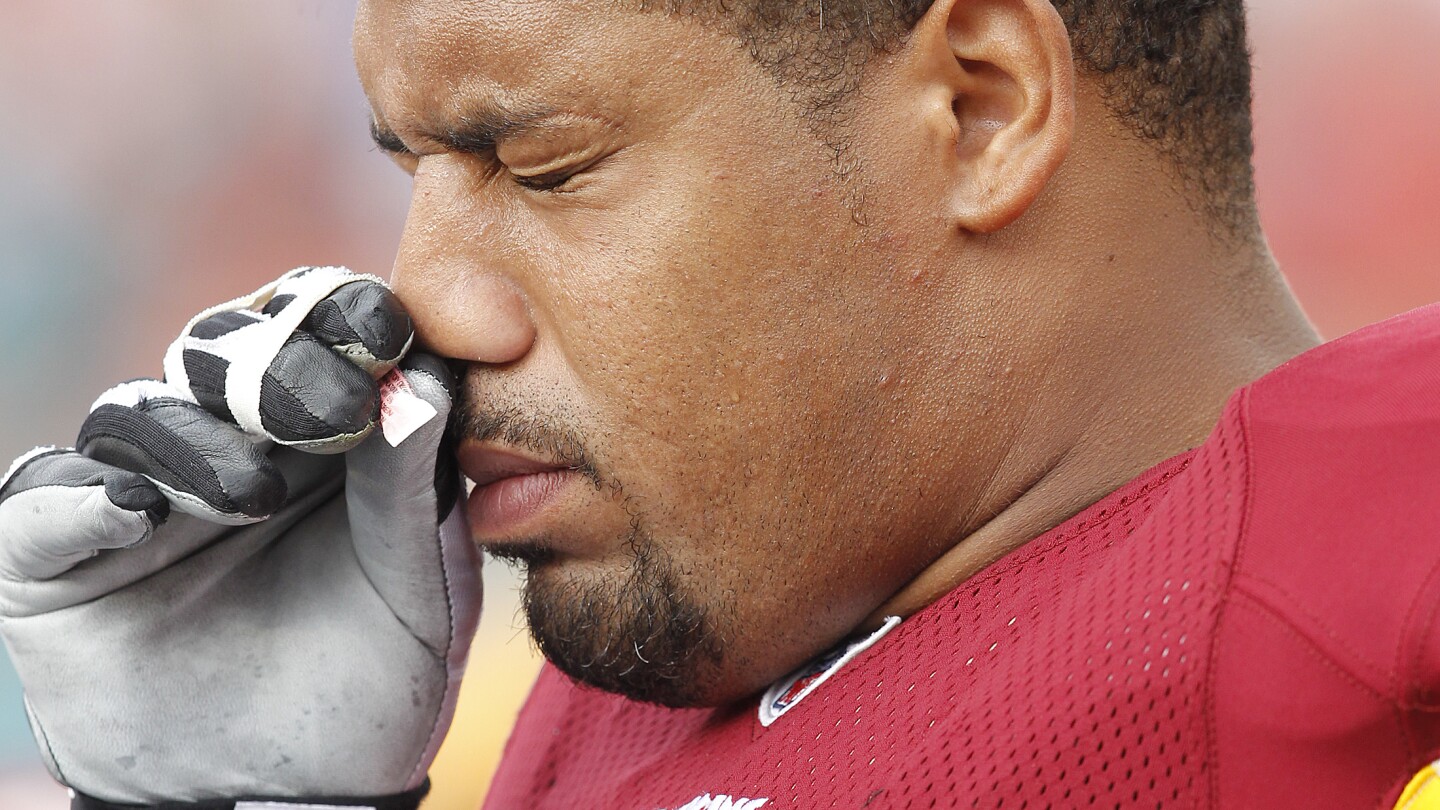
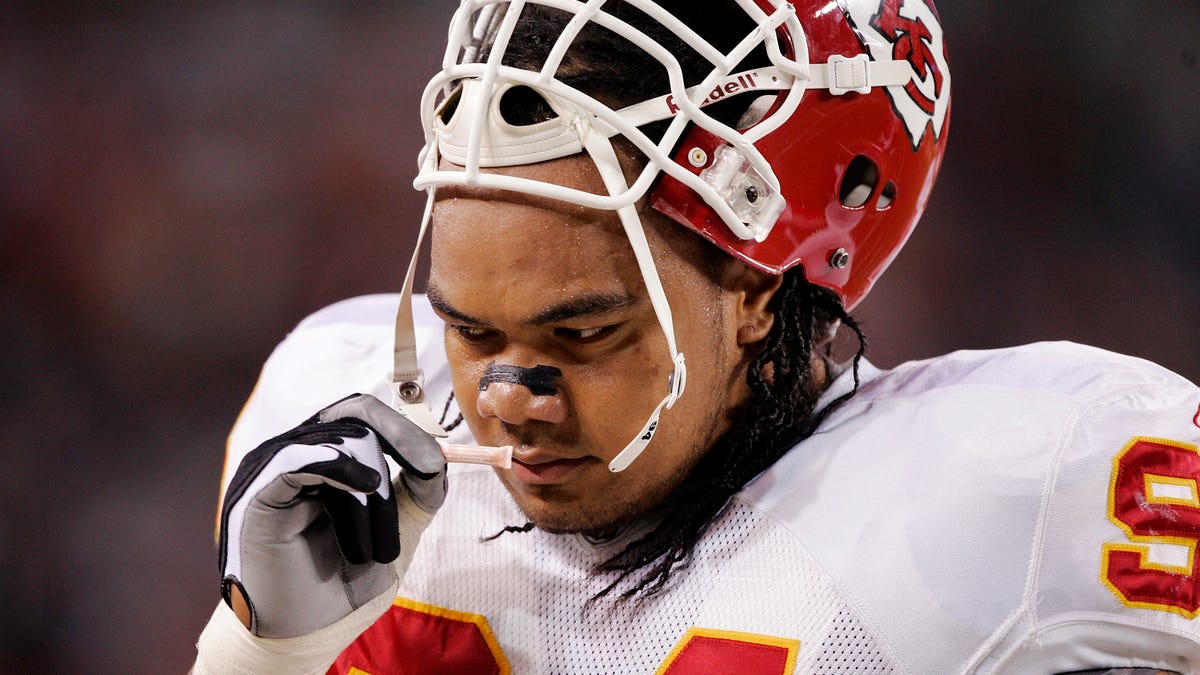
The NFL has banned the use of smelling salts among players due to safety concerns, including their potential to mask concussion symptoms and adverse health effects, aligning with bans by other sports organizations.
NFL players are still allowed to use smelling salts during games, as the league's recent policy only restricts team personnel from providing or supplying these substances, citing safety concerns and lack of evidence for efficacy.
The NFL's ban on supplying smelling salts and ammonia capsules to players is more about liability than health concerns, as players are still allowed to use them. The NFLPA clarified that players can still use these substances, but teams cannot supply them, highlighting ongoing issues in balancing player safety and collective bargaining. The article emphasizes the need for both sides to prioritize health over bargaining chips, especially given the potential risks associated with these substances.
The NFL announced it will ban the use of smelling salts and similar ammonia inhalants during games starting in the 2025 season due to safety concerns and potential interference with concussion diagnosis, based on recommendations from the NFL's medical committee and FDA findings.
San Francisco 49ers tight end George Kittle expressed his frustration after the NFL banned the use of ammonia and smelling salts, citing FDA warnings about safety and efficacy concerns, and potential masking of concussion symptoms.
The NFL has banned the use of smelling salts, citing safety concerns and potential masking of concussion symptoms, effective from the 2025 season, following recommendations from the NFL Head, Neck, and Spine Committee and an FDA warning about the lack of safety evidence and potential negative effects of ammonia inhalants.
Smelling salts, containing ammonium carbonate, are used by some athletes to increase alertness and oxygen intake, but they can have side effects such as coughing, vomiting, and headaches. While they are generally safe when used as directed, they are only FDA-approved for treating fainting and can cause severe reactions, especially with repeated use. Their impact on performance is uncertain, and they are banned in sports like boxing due to their potential to mask concussion symptoms and cause detrimental effects for athletes with neck injuries. Seeking guidance from athletic trainers, nutritionists, and sports psychologists may be more effective for improving athletic performance.