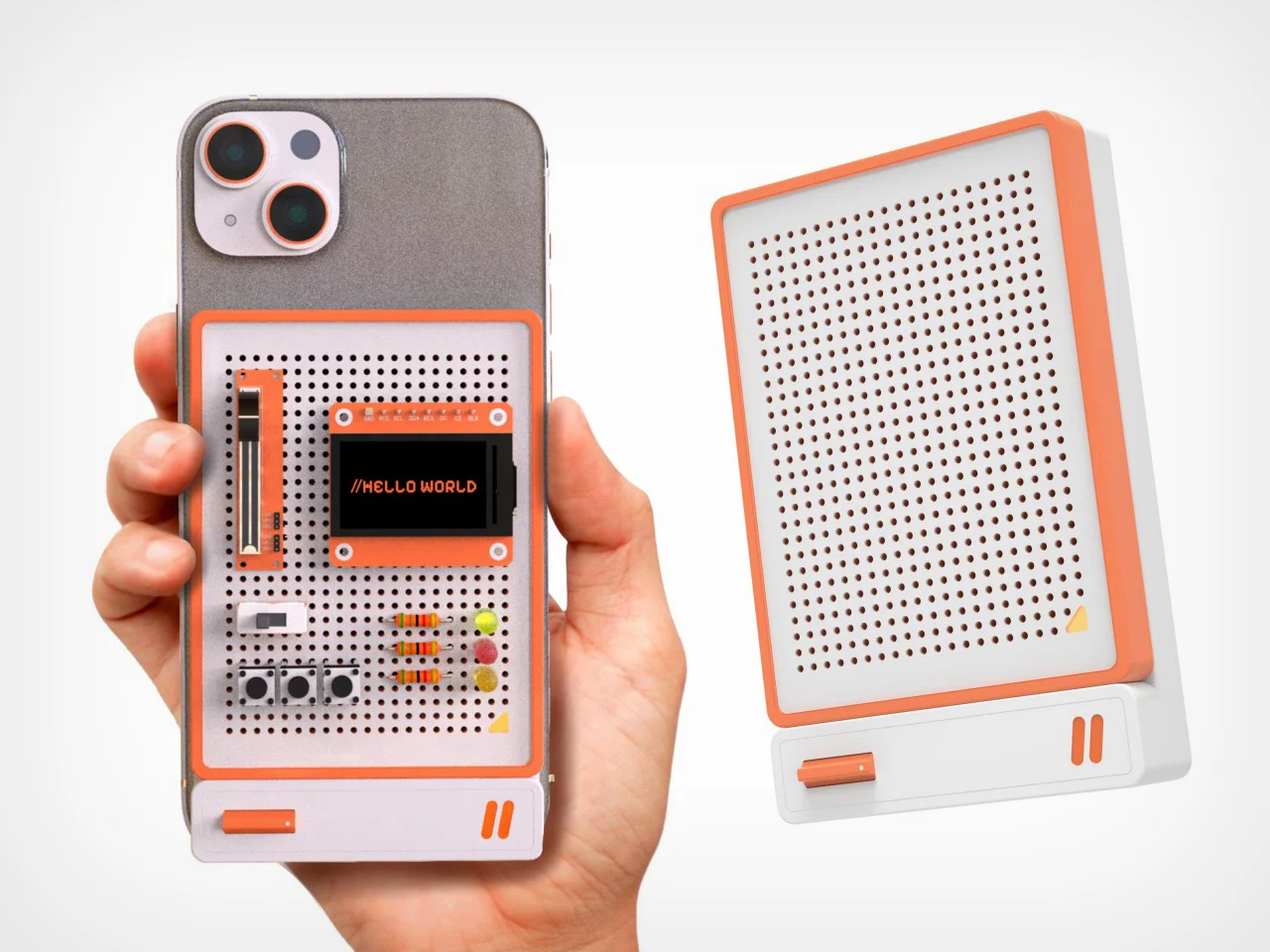
Kevin Yang's Commi Board is a modular, MagSafe-compatible circuit prototyping tool that leverages the processing power and connectivity of smartphones, offering multiple programming methods, cloud storage, and a focus on circuit validation rather than full IoT device capabilities, making it a promising educational and prototyping platform.
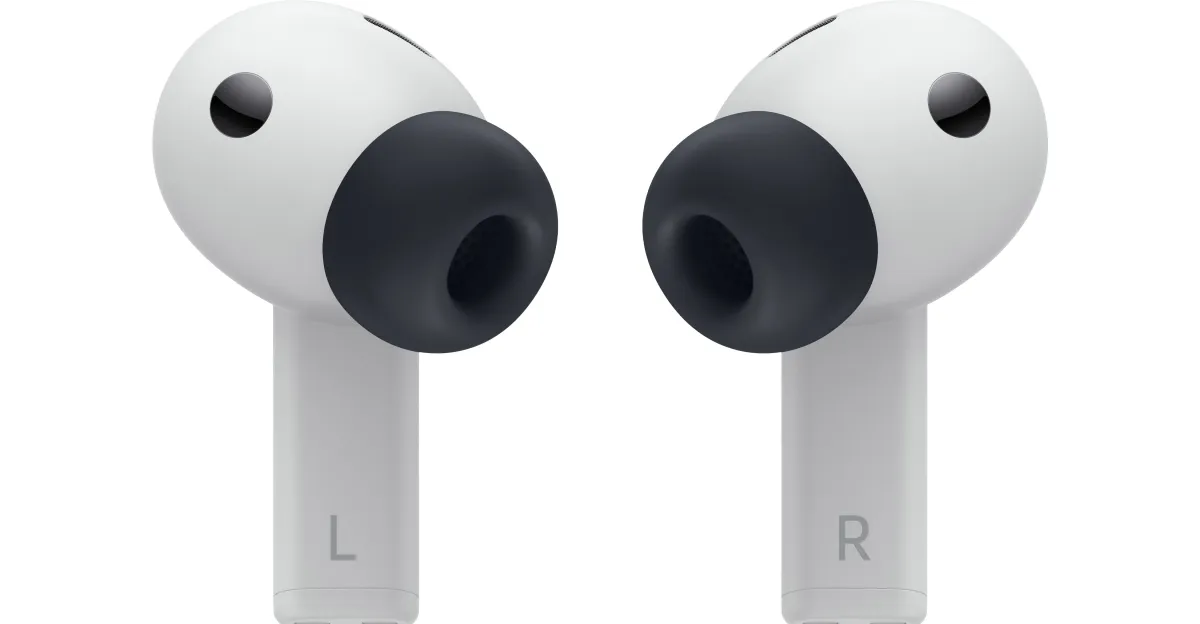
Samsung has launched the Galaxy Buds 3 FE, a budget-friendly pair of wireless earbuds featuring a stemmed design, improved sound, active noise cancellation, IP54 resistance, and seamless integration with Galaxy AI and Google Assistant, priced at $149.99 and available from September 4th in the US.
Nothing plans to integrate ChatGPT with its smartphones and earbuds, allowing users to access the AI tool directly from Nothing earbuds. The gradual rollout of the integration will begin on April 18th with Phone 2, followed by Phone 1 and Phone 2A in the coming weeks. The company also aims to improve the smartphone user experience in Nothing OS by embedding system-level entry points to ChatGPT. This move comes as part of Nothing's strategy to enhance its existing devices without introducing new hardware, and users without ChatGPT on their phone won't experience any changes.
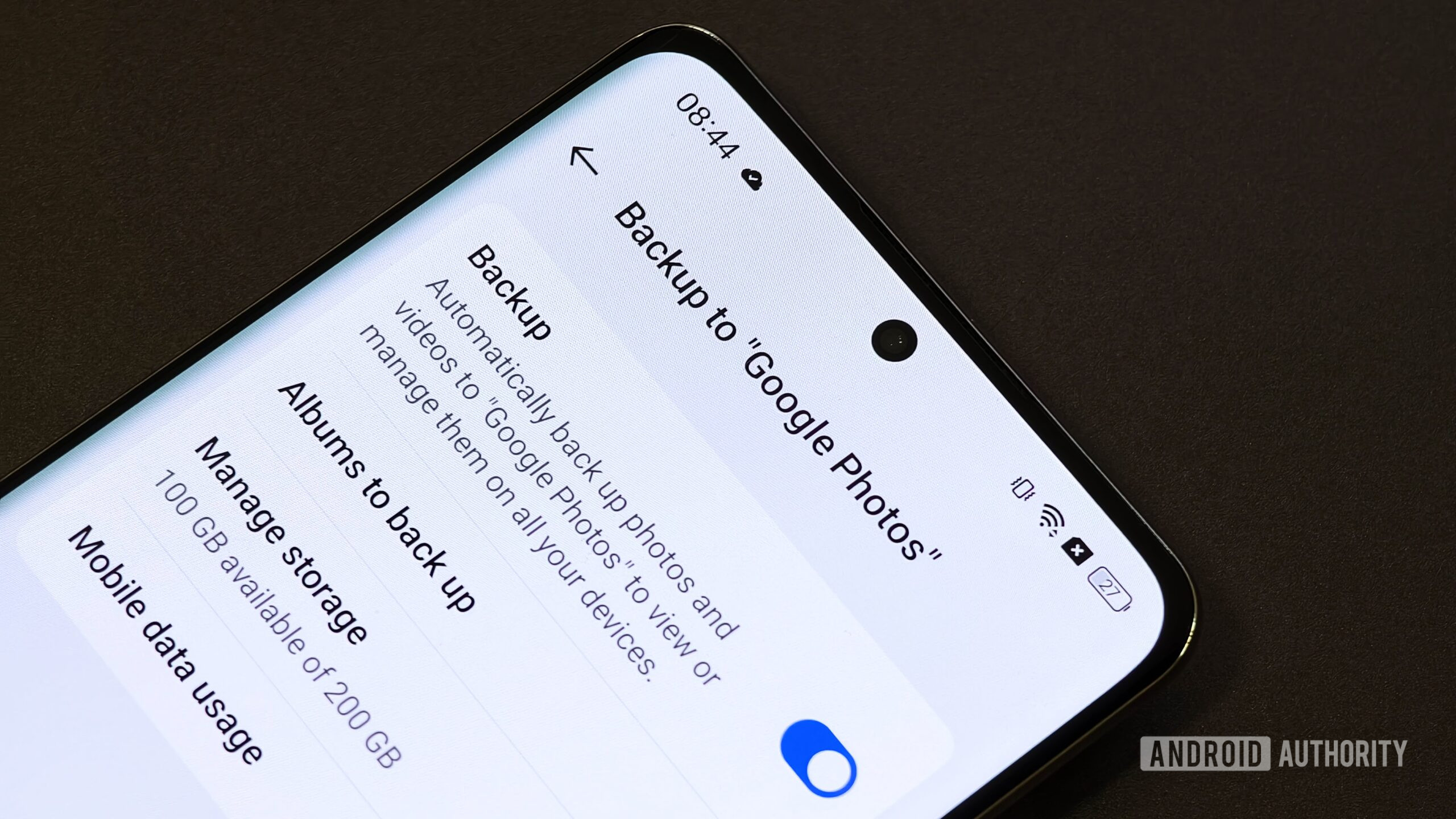
OPPO, OnePlus, Realme, and Xiaomi phones now offer Google Photos integration in their gallery apps, allowing users to access their Google Photos library, set up photo backups, and view and edit photos seamlessly within the OEM app. This feature is available on Android 11 and newer devices, and it streamlines the user experience by reducing the need to switch between multiple gallery apps.
The automotive industry is undergoing a seismic shift towards electric vehicles (EVs) and tech companies are poised to enter the market. With governments setting targets to phase out internal combustion engines and major automakers committing to all-electric line-ups, EV sales are predicted to reach 17 million by 2028. EVs are essentially computers on wheels, allowing tech companies like Tesla and Chinese carmakers like BYD to challenge traditional automakers. The focus on infotainment and software-defined vehicles has created opportunities for tech companies to create seamless ecosystems that integrate with smartphones. Xiaomi and Huawei are already making strides in the EV market, with Xiaomi launching its first electric car and Huawei providing its HarmonyOS to various automakers. The convergence of tech companies entering the automotive space and automotive start-ups dabbling in smartphone tech is reinforcing consumer confidence and paving the way for a smoother transition. Additionally, as the industry moves towards autonomous driving, in-car entertainment and connectivity become increasingly important, providing further opportunities for tech companies to enter the market.
The adoption of digital car keys is on the rise, allowing users to lock, unlock, and start their vehicles from their smartphones. However, before this technology becomes widespread, issues such as the choice of technology (NFC, UWB, Bluetooth), security against hackers, and compatibility across different devices need to be addressed. To tackle these challenges, industry consortiums like the Car Connectivity Consortium (CCC) and FiRa Consortium are working together to create standards for digital keys. The goal is to ensure a seamless and secure user experience across all devices and vehicles. While there are concerns about security, the technology has been designed with cryptographic measures and secure elements to protect against hacking. Additionally, the technology is backward-compatible, allowing older phones to still access digital key features.