
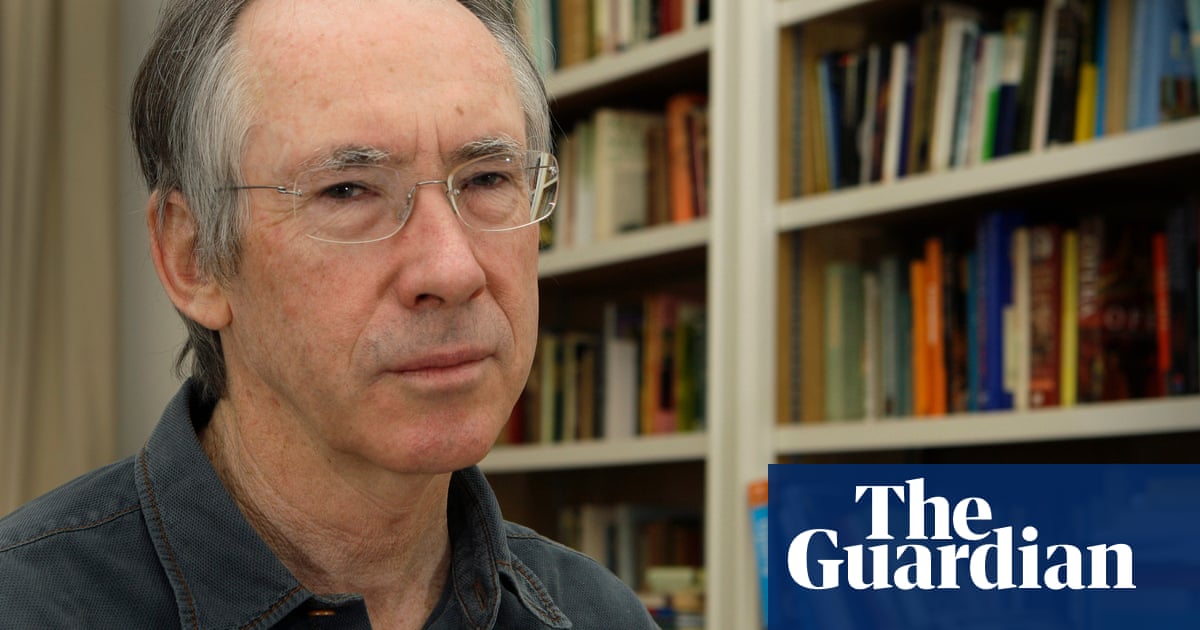
Novelist Ian McEwan has criticized the practice of hiring sensitivity readers to review manuscripts for potentially offensive content, stating that it is a "mass hysteria" and a "weird thing" that originated from the United States. McEwan believes that writers should be brave and write what they feel, rather than succumbing to fear of offending others. While some authors, such as Lionel Shriver, share his opposition to sensitivity readers, others, like Irvine Welsh, have found the experience beneficial. McEwan also expressed support for demands for racial and post-colonial reckoning, but criticized the idea of banning classic literature.
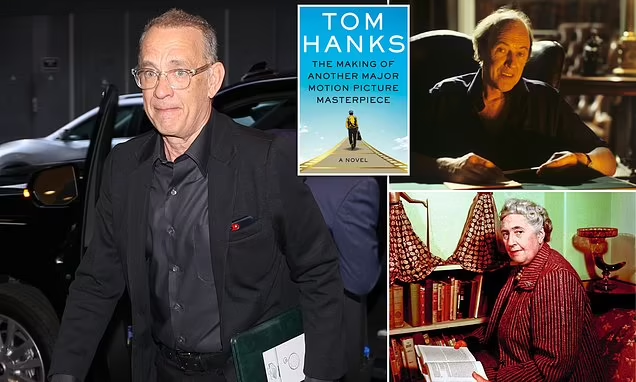
Tom Hanks has pledged to boycott any book that is re-written to avoid offending "modern sensitivities," stating that he will decide what he finds offensive. Hanks made the comments during a pre-recorded interview on BBC Radio 4, in which he was asked about the retroactive editing of works by dead authors such as Roald Dahl and Agatha Christie. Publishers have recently hired sensitivity readers to make iconic works "less offensive," including removing words like "fat," "mad," and "old hag." Hanks argued that readers should have faith in their own sensibilities and not have someone else decide what they may or may not be offended by.
HarperCollins will publish new editions of some of Agatha Christie's novels with potentially offensive language removed or revised at the suggestion of sensitivity readers. The changes involve removing references to ethnicity and terms including "Gypsy," "Oriental," "Nubian," "natives," and the N-word. Some edits are more subtle, and the move is likely to prove controversial, as was the case with similar changes made to books by Ian Fleming and Roald Dahl.